
Plants
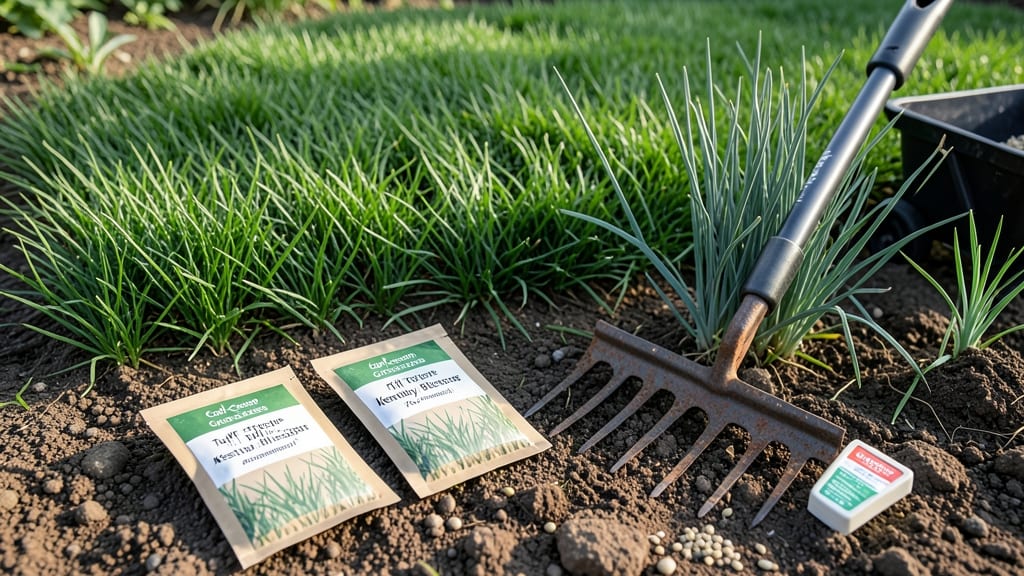
Planting grass seed in Tennessee at the right time means the difference between a lush, green lawn and a patchy, weed-infested mess 🌱 — and the best windows are early spring or late summer.
Tennessee’s unpredictable weather can turn your grass-seeding dreams into a gamble—unless you plant at the perfect time for cool-season grasses like fescue and ryegrass. Get it wrong, and you’ll waste time, money, and patience. Get it right, and you’ll have a thick, weed-resistant lawn by next spring.
For most of the state, the ideal window is March-April or August-September, when soil temperatures hover between 60-75°F and rainfall is steady. But timing shifts slightly from East Tennessee’s cooler hills to Middle and West Tennessee’s warmer valleys—so knowing your exact zone makes all the difference.
In this guide, I’ll break down the best months for your region, how to prep your soil for success, and the 5 biggest mistakes Tennessee gardeners make that lead to thin grass. Let’s get started!
Best planting windows for cool-season grass in Tennessee regions
Tennessee’s diverse climate zones—East, Middle, and West—create unique challenges for planting cool-season grasses like tall fescue and Kentucky bluegrass. The key? Timing your seeds to align with soil temperatures between 60°F and 75°F, avoiding frost risks, and leveraging seasonal rainfall patterns.
In East Tennessee’s higher elevations, cooler springs delay planting, while West Tennessee’s drier summers demand earlier fall seeding to beat drought stress.
For new lawns, aim for late August through early September—this window gives seeds 6-8 weeks of warm soil before winter dormancy. Overseeding existing lawns? Early spring (March-April) works best, as soil warms but weeds haven’t yet taken over.
Skip planting in May or October: late spring heat and early frost risks both sabotage germination rates.
Here’s how Tennessee’s three regions differ in their ideal planting windows, soil conditions, and frost risks:
In East Tennessee, where USDA zones 6a-7a dominate, focus on late August planting to capitalize on summer’s lingering warmth and September rainfall. The region’s higher elevations mean soil stays cooler longer, so avoid seeding after October 1—frost can kill tender seedlings within days.
For spring planting, wait until mid-April when soil temps consistently hit 60°F.
Middle Tennessee’s 7a-7b zones offer a slightly longer window: September 1–October 15 is prime for fall, while March 20–April 15 works for spring. This zone benefits from moderate rainfall, reducing irrigation needs. However, avoid planting in May—summer’s 90°F+ soil temps stress seedlings before they establish roots.
West Tennessee’s drier climate (USDA 7b-8a) demands earlier fall seeding—by mid-August—to beat drought. The region’s warmer soil speeds germination, but low humidity increases weed competition. Spring planting should start by early April to outpace summer heat. Pro tip: Use mulch or shade cloth to retain moisture in West TN’s low-rainfall zones.
Regardless of region, soil prep is non-negotiable. Test pH (aim for 6.0–7.0) and loosen the top 4 inches of soil for seed contact. Overseeding? Mow existing grass short (1–1.5 inches) 2–3 days before seeding to improve light penetration.
For new lawns, rent a core aerator to break compaction and improve water absorption.
Monitor weekly rainfall after planting—1–1.5 inches per week is ideal, but daily light watering (10–15 minutes) keeps seeds moist during dry spells. Avoid heavy watering: it washes seeds away or causes soil crusting, blocking germination.
In East TN’s wetter areas, adjust for drainage—soggy soil suffocates roots.
Finally, fertilize lightly 4–6 weeks after seeding with a starter blend (10-10-10). Skip high-nitrogen fertilizers early—they burn tender seedlings. Fall-planted grass should establish 50–70% of its root system before winter, so stop fertilizing by November 1 to avoid late-season growth that freezes.
With the right timing, your cool-season grass will outcompete weeds and thrive through Tennessee’s hot summers and cold winters
How to prepare your Tennessee lawn for fall grass seed success
Fall is the ideal time to plant cool-season grass seed in Tennessee, but proper preparation is the key to avoiding patchy lawns and weed invasions. If your soil isn’t ready, even the best grass seed will struggle to establish roots before winter sets in.
I’ve learned the hard way that skipping these steps leads to wasted seed and extra work next spring.
Start with a soil test to check your pH—most Tennessee lawns need a target pH of 6.0-7.0 for optimal germination. If your soil is too acidic, add pelletized lime 4-6 weeks before planting.
For alkaline soil, work in sulfur or peat moss to lower the pH gradually. Organic gardeners can use composted manure or worm castings instead of synthetic amendments.
Step-by-Step Fall Lawn Prep Checklist
- 🔹 Test soil pH (aim for 6.0-7.0) and adjust with lime or sulfur if needed.
- 🔹 Kill weeds with glyphosate (synthetic) or vinegar/salt (organic) 2-3 weeks before planting.
- 🔹 Tillage depth: Loosen top 2-3 inches of soil with a tiller or aerator for seed-to-soil contact.
- 🔹 Level the area by raking out debris and filling low spots with topsoil.
- 🔹 Apply starter fertilizer (10-0-10 or 16-4-8) 1-2 weeks before seeding.
- 🔹 Schedule irrigation: Water lightly 2x/day (morning/evening) for 10-15 minutes until seeds sprout.
- 🔹 Plant seeds in late August-September when soil temps are 60-75°F and nights stay above 50°F.
Weed control is critical—let those crabgrass and clover seeds go to waste by applying a pre-emergent herbicide 2 weeks before planting or hand-pulling weeds organically. Synthetic options like trimec work fast, while organic methods (like corn gluten meal) take longer but prevent future weed growth.
I recommend overseeding in September when weeds are less aggressive.
For tillage depth, never go deeper than 3 inches—this disrupts root systems of existing grass and compacts the soil. Use a core aerator if your lawn is dense, or rent a rototiller for new lawns.
After tilling, spread a thin layer of compost (½ inch max) to improve soil structure without smothering seeds later. This step boosts moisture retention, which is crucial during Tennessee’s unpredictable fall rains.
Fertilizer timing matters—apply a starter blend (10-0-10) 1-2 weeks before seeding to jumpstart root growth. Avoid high-phosphorus fertilizers unless your soil test shows deficiency. Organic options like fish emulsion or bone meal work well but require more frequent applications.
Water the fertilizer in deeply to prevent burn and ensure even distribution across the seedbed.
Finally, set up a consistent watering schedule: Keep soil moist (not soggy) until seeds germinate, then taper to 1 inch per week. Use a rain gauge or tuna can to measure—most gardeners overwater, leading to fungal diseases like pythium.
Early morning watering (5-9 AM) minimizes evaporation and disease risk. With these steps, your Tennessee lawn will establish a thick, weed-resistant carpet by winter.