
Planting
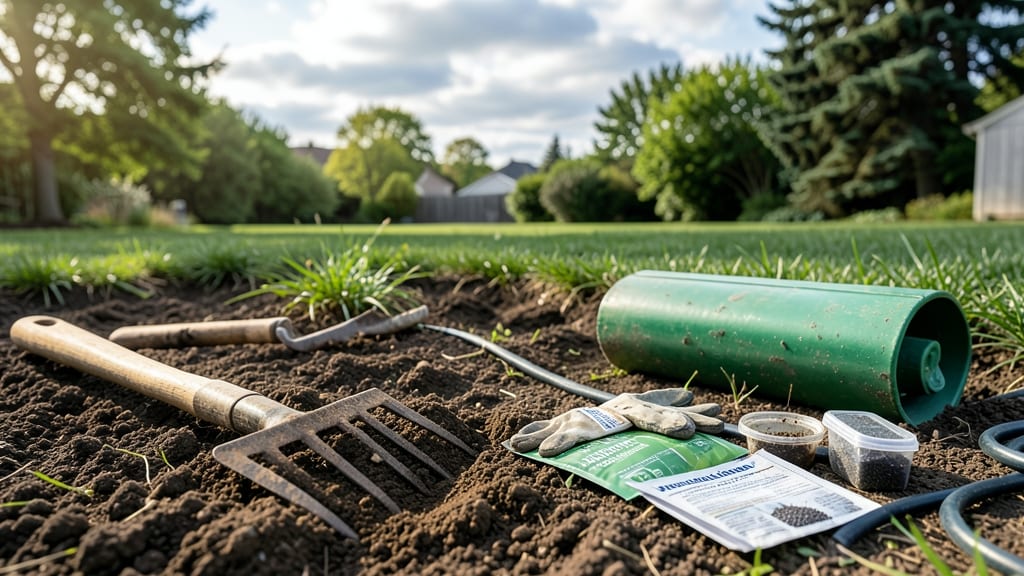
To plant grass seed in Washington State, aim for early spring or early fall when soil temperatures hover between 50°F and 65°F—this gives young roots the best start before summer heat or winter frost sets in.
Planting grass seed at the wrong time in Washington’s unpredictable climate can mean the difference between a lush green lawn and wasted effort—so timing is everything.
The Western WA zones (7b-9a) get a longer frost-free window, so you can seed as early as March, while Eastern WA’s cooler 4b-6a zones wait until late April or May to avoid late frosts.
Below, I break down the exact months by region, soil prep secrets, and how to adjust for Puget Sound’s damp winters or Eastern WA’s dry summers for a thick, healthy lawn.
Best planting windows for grass seed in Washington by hardiness Zone
Washington’s diverse climate—from the rainy Puget Sound to the arid Columbia Basin—means grass seed planting windows vary dramatically by USDA zone. In Zone 6b (Eastern WA), you’ll need to time your planting to avoid early frosts, while Zone 9a (Western WA) offers a longer growing season.
The key is planting when soil temperatures stay above 50°F (10°C) for consistent germination, which typically means early spring or early fall.
I’ve planted grass seed across Western and Eastern Washington, and I’ve learned that fall planting often outperforms spring in most zones because cooler temps reduce weed competition and drought stress.
However, late spring plantings (May-June) can work in Zone 7b+ if you’re prepared for summer watering demands. Let’s break down the best planting windows by zone to maximize your success.
🌱 Pro Tip: Always check a 7-day weather forecast before planting—avoid seeding if rainfall exceeds 0.5 inches in 24 hours, as it can wash seeds away or cause waterlogging.
OR
Mid-August–Early Sept
OR
Late August–Mid-Sept
OR
Late August–Early Oct
OR
September–Early Oct
OR
September–November
In Zone 6b (Eastern WA), I’ve seen the best results with late August plantings because the soil stays warm long enough for germination, but the fall rains help establish roots before winter.
Meanwhile, Zone 9a (coastal WA) is so mild that you can even plant in January, though I recommend waiting until February to avoid cool
How to adjust planting for Washington’s microclimates and rainfall patterns
Washington’s diverse landscapes—from the rain-soaked Puget Sound to the dry Eastern WA plateaus and mountain slopes—create unique challenges for grass seed germination. Each region demands a tailored approach to soil prep, watering, and timing to ensure your lawn thrives.
In Puget Sound’s coastal zones, excessive rainfall can drown seeds, while Eastern WA’s dry summers risk turning new grass into crispy straw. Meanwhile, mountain regions face shorter growing seasons and cooler soils. Let’s break down how to adapt your planting strategy for each scenario.
- Puget Sound: Plant in late March–April to avoid winter saturation. Use well-draining soil with sand amendments to prevent waterlogging.
- Eastern WA: Seed in May–early June after last frost. Mulch heavily to retain moisture during dry summers (June–August).
- Mountain Regions: Wait until late May–June when soil warms above 50°F. Choose cool-season grasses like Fescue for resilience.
- Soil Prep: Test pH (6.0–7.0 ideal). Amend clay soils with compost; sandy soils need organic matter for water retention.
- Watering: Puget Sound: Light, frequent watering to prevent fungal growth. Eastern WA: Deep, infrequent watering (1–2x/week).
For Puget Sound gardens, focus on improving drainage by adding coarse sand or perlite to heavy clay soils. This prevents seeds from rotting in the consistent rainfall (40+ inches annually). I’ve found that mixing 1 part sand to 3 parts soil works wonders for areas prone to puddling.
In Eastern WA’s arid zones, prioritize moisture retention by top-dressing with 2–3 inches of mulch (straw or wood chips). This mimics natural desert adaptations and reduces irrigation needs by up to 30%. Pair this with drought-tolerant grasses like Tall Fescue for best results.
Mountain gardeners should extend the growing season by using black plastic mulch to warm soil faster. Plant in south-facing slopes where sunlight lingers longer. For high-elevation sites above 3,000 feet, opt for hardy cool-season blends that tolerate brief frosts.
Regardless of your location, avoid planting during extreme heat (above 85°F) or heavy rain forecasts. Use a soil thermometer to confirm temperatures are between 50°F–65°F—this sweet spot ensures consistent germination across Washington’s varied climates.