
Plants
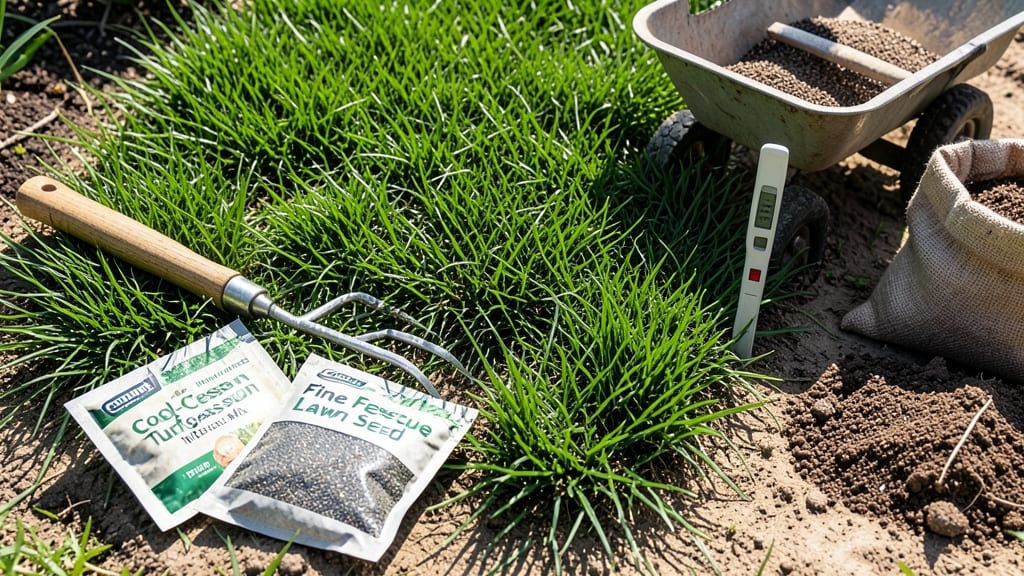
Planting grass seed in Wisconsin at the right time ensures strong roots before frost or summer heat sets in—aim for 4-6 weeks after the last frost or 4-6 weeks before the first frost for best results.
Picture this: you’ve spent hours spreading seed, only to watch it wash away in a spring rain or freeze before it sprouts. That’s why timing matters more than you might think—Wisconsin’s 4a-5b zones demand precision to avoid those costly mistakes.
In this guide, I’ll break down the exact frost-free windows by region, soil temperature tips to check before planting, and whether fall or spring works better for your lawn’s long-term health.
You’ll also discover how to prep your soil, water correctly, and spot the first signs of success (or trouble) so your new 🌱 grass seed turns into a thick, green carpet—not a patchy experiment.
Wisconsin grass planting zones: frost-free dates by region
Wisconsin’s diverse climate zones mean your grass seed planting window can vary by hundreds of miles—from the mild southern regions to the harsh Upper Peninsula. Getting the timing right ensures your new lawn establishes before early frosts or struggles with late-season heat.
Here’s how to align your planting with Wisconsin’s 5 key climate zones, including frost-free periods and ideal soil temperatures.
Most Wisconsin gardeners focus on cool-season grasses like Kentucky bluegrass, fine fescue, and perennial ryegrass, which thrive when planted in either early spring or early fall. However, the frost-free period—the window between the last spring frost and first fall frost—varies dramatically.
Southern Wisconsin enjoys 160+ frost-free days, while the Upper Peninsula may see just 90 days or fewer.
To avoid frost damage or seed washout, aim to plant when soil temperatures reach at least 50°F (10°C) and stay consistent. This typically means 4-6 weeks before the first frost in fall or 4-6 weeks after the last frost in spring.
Below, we break down the frost-free windows and planting deadlines for each zone to help you plan.
If you’re in Southern Wisconsin, you’ve got the most flexibility, with two solid planting windows: April–May and September. In contrast, Northern and Upper Peninsula gardeners should focus on late spring (June) or early summer (July–August) to avoid late frosts or early snow.
For example, in Marquette (Upper Peninsula), planting after
Soil temperature & moisture: the hidden factors that determine success
Even if you’ve picked the perfect frost-free window, your grass seed won’t sprout if the soil temperature or moisture levels are off. In Wisconsin, 50°F (10°C) is the magic threshold—below that, germination slows or stops entirely.
I’ve seen seeds planted in 45°F soil take twice as long to sprout, or worse, rot before emerging.
Wisconsin’s clay-heavy soils in the north retain moisture but can become waterlogged, while sandy soils in the south drain too quickly. Both extremes can wash out seeds or leave them high and dry. Testing your soil’s readiness is just as critical as checking the calendar.
Here’s how to test both factors before planting: Use a soil thermometer (available for $10 at garden centers) to check depth—2 inches deep is where seeds will germinate. For moisture, grab a handful of soil: if it crumbles when dry but holds shape when wet, it’s ideal.
If it sticks together like clay or falls apart like sand, you’ll need to amend it.
For clay-heavy soils (common in northern Wisconsin), delay planting by 1-2 weeks in spring or plant 2 weeks earlier in fall. The extra time lets the soil warm up and dry out slightly, reducing the risk of seed rot.
In contrast, sandy soils (found in southern Wisconsin) dry out fast—water them deeply twice daily for the first week to keep seeds moist.
If your soil fails the moisture test, amend it before planting. Mix in 2 inches of compost for sandy soils to retain water, or blend in peat moss for clay to improve drainage.
Overwatering after planting is a common mistake—I’ve seen entire seed batches wash away in heavy spring rains. Once planted, keep soil consistently moist (not soggy) by watering lightly every morning.
Watch for uneven germination as a red flag—it often signals soil temperature or moisture issues. If you see sparse sprouts, check your soil again. With the right conditions, your grass seed will germinate in 7-14 days, transforming from tiny specks to a lush green carpet.