
Plants
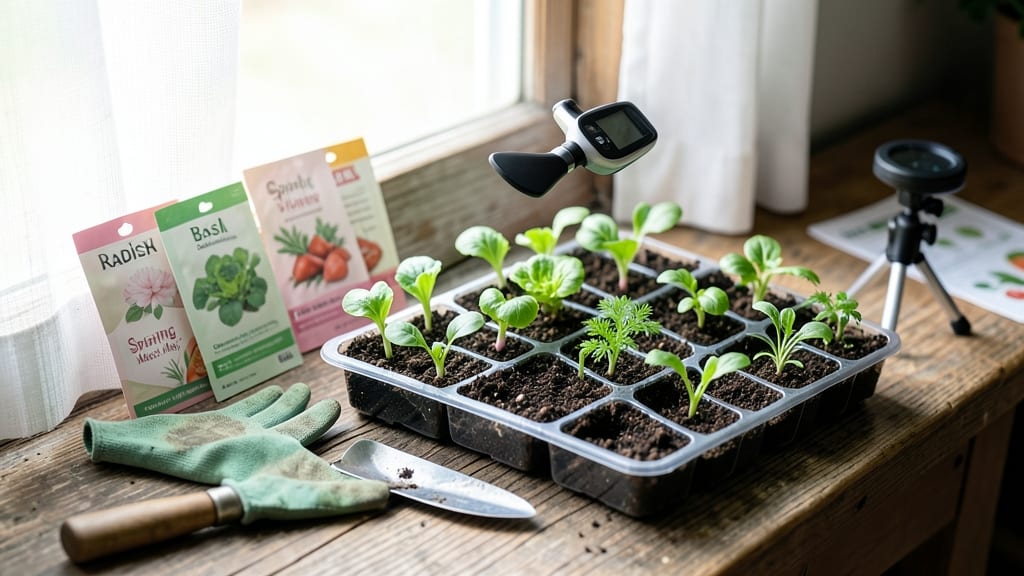
To plant seeds in spring, time it 2-4 weeks before your last frost date—a window that turns a risky gamble into a thriving harvest.
Picture this: you’ve prepped the soil, ordered your favorite seeds, and the sun is finally warming the earth. But if you plant too early, a late frost can wipe out your 🌱 Spring Seeds (General) before they even sprout.
Get it wrong, and you’re staring at a garden full of sad, half-dead seedlings—or worse, a second planting that misses the season entirely.
Here’s the good news: with a little planning, you can avoid the guesswork. Whether you’re in Zone 6a or further south, knowing your frost-free deadline means you’ll sow everything from leafy greens to tomatoes at the perfect moment. No more wasted seeds or missed harvests.
In this guide, I’ll break down the exact planting windows for your region, how to adjust for cool- vs. warm-season crops, and 5 pro tips to stretch your growing season without risking frost. Ready to turn your spring garden into a success?
Spring planting deadlines: frost-free dates by US Hardiness Zone
Getting your spring seeds in the ground at the right time means the difference between a bountiful harvest and a sad, frost-killed disappointment. The key? Knowing your USDA Hardiness Zone and calculating your last frost date.
These dates vary wildly—from late March in Zone 10 to mid-May in Zone 3—so your timing must match your climate.
For cool-season crops like lettuce, spinach, and peas, you can plant 4-6 weeks before your last frost date. These hardy plants thrive in cooler weather and can even handle light frosts.
Meanwhile, warm-season plants like tomatoes, peppers, and basil need to wait until 2-3 weeks after your last frost when soil temperatures hit 60°F+.
Below is a zone-by-zone breakdown of frost-free dates and ideal planting windows. Use this as your guide to avoid common mistakes like planting too early (frost damage) or too late (missed growing season).
🌱
| USDA Zone | Avg. Last Frost Date | Cool-Season Planting Window | Warm-Season Planting Window | Soil Temp. for Warm-Season |
|---|---|---|---|---|
| Zones 3-4 | Mid-May | Early April | Late May | 60°F+ |
| Zones 5-6 | Early May | Mid-March | Early May | 60°F+ |
| Zones 7-8 | Late April | Late February | Mid-April | 55°F+ |
| Zones 9-10 | Late February | January-February | Early March | 50°F+ |
If you're in Zones 3-4, your last frost date is typically mid-May, so plan to sow cool-season seeds by early April. For Zones 5-6, you can start as early as mid-March, while Zones 7-8 enjoy a longer window, with cool-season planting possible by late February.
In Zones 9-10, you can plant warm-season crops like tomatoes as early as March!
Pro tip: Use a soil thermometer to confirm soil temperatures before planting warm-season seeds. If your soil is still chilly, wait—even if the air feels warm. Cold soil can stunt growth or prevent germination altogether.
For northern climates (Zones 3-7), focus on succession planting for warm-season crops. Start with fast growers like radishes or lettuce, then follow with slower varieties like broccoli or cabbage.
In southern climates (Zones 8-10), you can often plant warm-season crops twice—once in early spring and again in late summer for a fall harvest.
Don’t forget to check your local weather forecasts for unexpected late frosts. Even if the average last frost date has passed, a cold snap can still threaten tender seedlings. When in doubt, use row covers or wait a few extra days.
🌿
Now that you know your frost-free deadlines, the next step is preparing your soil and seeds. Loosen the soil, add compost, and ensure proper drainage. For warm-season plants, consider using black plastic mulch to warm the soil faster—this can shave weeks off your planting timeline in cooler zones.
Remember: Timing is everything. Whether you're a first-time gardener or a seasoned pro, these deadlines will help you avoid the most common spring planting mistakes. Happy planting!
Cool-season vs. warm-season plants: when to plant for maximum yield
Not all plants thrive under the same conditions, which is why understanding cool-season vs. warm-season crops is key to a productive spring garden. Cool-season plants like lettuce and spinach love temperatures between 40°F and 75°F, while warm-season varieties such as tomatoes and peppers need consistent warmth above 60°F.
Planting them at the wrong time can mean stunted growth or even crop failure.
For cool-season plants, I always start seeds indoors 4-6 weeks before the last frost date, then transplant them outdoors 2-4 weeks before that date. This gives them a head start in cooler weather.
Warm-season plants, on the other hand, should wait until 2 weeks after the last frost—when soil temperatures consistently stay above 60°F.
| Plant Type | Ideal Planting Time | Temperature Range | Succession Planting Tip |
|---|---|---|---|
| Leafy Greens (Lettuce, Spinach, Kale) | 2-4 weeks before last frost | 40°F–75°F | Sow every 2 weeks for continuous harvest |
| Root Vegetables (Carrots, Radishes, Beets) | 2-3 weeks before last frost | 50°F–70°F | Plant radishes first—they mature fastest |
| Tomatoes & Peppers | 2 weeks after last frost | 60°F+ (soil) | Use row covers to warm soil faster |
| Herbs (Basil, Cilantro, Dill) | After last frost (or indoors early) | 55°F–80°F (varies by herb) | Cilantro bolts in heat—plant in spring/fall |
If you’re in an area with an early spring, like Zone 8 or higher, you can plant warm-season crops like tomatoes as early as February under protective covers.
For late springs, such as in Zones 3-5, I recommend starting warm-season plants indoors 8-10 weeks before the last frost to give them a jumpstart. This way, they’re ready to transplant once the soil warms up.
For succession planting, I always keep a few seeds ready to go after the initial planting. For example, after harvesting a batch of lettuce, I’ll sow another round to replace it.
This ensures a steady supply of fresh greens all season long. The same goes for radishes and bush beans, which mature quickly and can be replanted every 2-3 weeks.
One of my biggest mistakes early on was planting tomatoes too soon in cool soil. The roots struggled to establish, and the plants wilted. Now, I always check soil temperature with a soil thermometer—if it’s below 60°F, I wait.
Patience pays off with stronger, healthier plants that produce more fruit.
Adjusting for your local climate is all about flexibility. If your spring is unpredictable, err on the side of caution: plant cool-season crops early and warm-season crops late. With a little planning, you’ll maximize your yield and enjoy a bountiful harvest from start to finish. 🌱