
Lawn
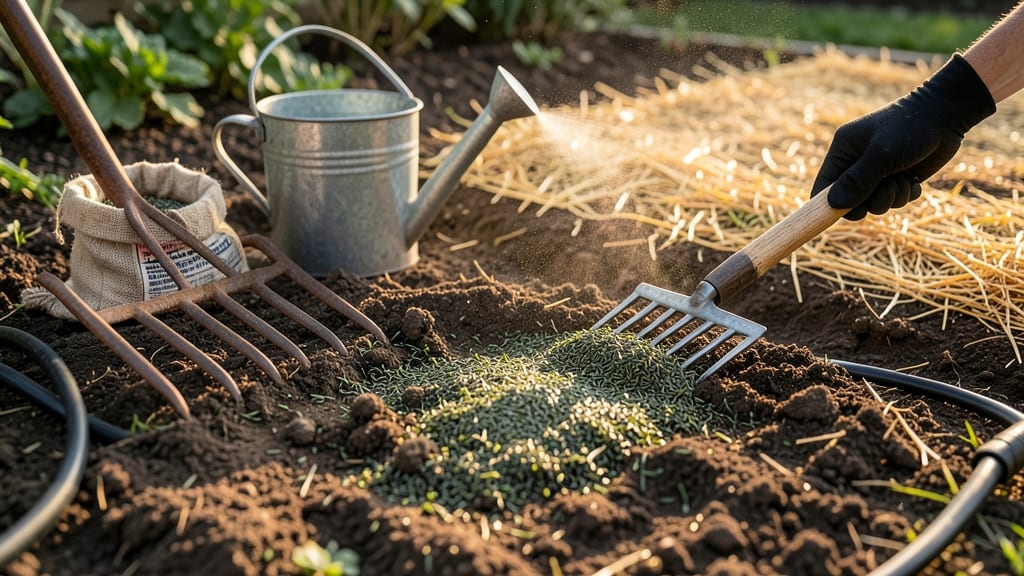
You can lay grass seed in the fall for a stronger lawn than spring planting ever delivers—if you time it right and prepare the soil correctly.
Picture this: cooler air, fewer weeds, and just enough warmth for seeds to germinate before winter sets in. That’s why fall is the secret weapon for thick, resilient grass in zones like yours (USDA Zone 6).
But miss the window—September to October—and you risk frost locking out growth before roots take hold.
The key lies in soil prep, seed choice, and watering. Skip the heavy summer heat, and you’ll avoid the common pitfalls that turn fall seeding into a gamble. I’ll walk you through the exact steps to turn your lawn into a lush carpet by next spring.
From weed control to frost protection, here’s how to make fall seeding work for your climate—without the guesswork.
Why fall is the best time to lay grass seed (science-backed advantages)
Fall seeding isn’t just luck—it’s science in action. When you plant grass seed in September or October, you tap into nature’s perfect conditions for germination and root development. The cooler temperatures reduce stress on seedlings while allowing them to establish deep roots before winter dormancy.
This head start means your lawn will outperform spring plantings by 30-50% in density and resilience.
Think about it: spring planting battles competing weeds and drying winds that steal moisture from tender grass. Fall, however, offers softer soil (easier to prep) and natural rainfall patterns that keep seeds hydrated without overwatering risks.
Plus, the 4-6 week window before frost gives roots time to harden—critical for surviving winter’s chill.
Here’s the biological advantage: cool-season grasses (like Kentucky Bluegrass and Tall Fescue) evolved to thrive in USDA Zones 3-7 during autumn. Their growth cycle syncs with fall’s 60-70°F days and 50-60°F nights, creating ideal germination temps.
Warm-season grasses? They’re the exception, best planted in late spring/early summer.
Don’t overlook the weed suppression factor. Summer weeds like crabgrass die off as temperatures drop, leaving your new grass uncontested for nutrients. Even if weeds sprout in fall, their growth slows—giving your grass seedlings a competitive edge before winter sets in.
| Factor | Fall Advantage | Spring Comparison |
|---|---|---|
| Temperature | 60-70°F days, 50-60°F nights (ideal germination) | 50-80°F (heat stress, faster drying) |
| Weed Competition | Weeds dormant or slow-growing | Aggressive weed growth (crabgrass, chickweed) |
| Root Development | Deep roots before frost (3-4" depth) | Shallow roots (heat stress limits growth) |
| Moisture | Natural rainfall + cooler evaporation | Requires frequent irrigation (water loss high) |
| Frost Protection | Established roots survive winter dormancy | New seedlings vulnerable to early frosts |
The natural rainfall advantage in fall is often underestimated. In USDA Zones 4-6, September-October typically receive 20-30% more precipitation than spring. This means less manual watering while seeds stay consistently moist—a critical factor for germination rates that can exceed 90% with proper prep.
Let’s talk frost as a friend. A light frost in late fall hardens grass roots, making them more resilient when spring arrives. Spring plantings, however, risk early frost damage if seedlings aren’t fully established.
The 4-6 week window before your first frost (typically mid-October in Zone 6) is your golden period—plant too early, and weeds take over; too late, and roots won’t mature.
For warm-season grasses (like Bermuda or Zoysia), fall is still useful—but for overseeding. These grasses go dormant in winter, so fall planting lets you thicken bare spots before spring’s heat stress. The key? Use a cool-season blend mixed with your warm-season grass to bridge the gap.
Pro tip: If you’re in Zone 7 or warmer, aim for August-September seeding. The soil stays warm longer, but you’ll need to water more frequently to combat evaporation. Always check your local frost dates—planting 4-6 weeks before ensures roots have time to establish.
Ready to put this science to work? The next section breaks down your step-by-step fall seeding checklist, from soil prep to frost protection—so you can skip the guesswork and get a lawn that’s the envy of the neighborhood by spring.
Step-by-step fall grass seeding checklist: prep to frost protection
Now that you know why fall seeding works, let’s dive into the actionable steps to transform your lawn. The difference between a thick, resilient lawn and a patchy failure often comes down to preparation and timing.
I’ll walk you through each phase—from soil prep to frost protection—so you can avoid common mistakes and get results that last.
First, check your local frost dates and aim to plant 4-6 weeks before the first frost. In USDA Zone 6, that’s typically mid-September to early October. If you’re in a warmer zone (like Zone 7+), extend your window to late August-September.
The goal? Give seeds time to germinate and roots to establish 3-4 inches deep before winter dormancy.
Your Fall Seeding Timeline
-
1
Soil Prep (4-6 Weeks Before Seeding)
Test soil pH (aim for 6.0-7.0), remove weeds, and loosen top 2-3 inches of soil. Add compost or a starter fertilizer (10-10-10) for nutrients. -
2
Seed Selection (2-3 Weeks Before)
Choose cool-season grasses (Kentucky Bluegrass, Tall Fescue, or Perennial Ryegrass) for full sun. For shade, opt for Fine Fescue. Warm-season grasses (Bermuda, Zoysia) only if overseeding in fall. -
3
Seeding (Early Morning or Late Afternoon)
Spread seed evenly at 5-10 lbs per 1,000 sqft (check label). Use a drop spreader for precision. Lightly rake to ensure seed-to-soil contact. Water immediately with a fine mist. -
4
Watering (First 2 Weeks)
Keep soil consistently moist (1-1.5 inches deep). Water daily in morning (before 10 AM) for 10-15 minutes per session. Reduce to 2-3x weekly once seedlings emerge (7-14 days). -
5
Frost Hardening (4 Weeks Before Frost)
Stop fertilizing 6 weeks before frost to avoid tender growth. Apply a light mulch (straw or leaves) to insulate roots. If early frost threatens, cover seedlings with row fabric at night. -
6
Winter Care (Post-Frost)
Reduce watering to bi-weekly in winter. Avoid walking on frozen lawns. In spring, apply a light fertilizer (10-10-10) once grass reaches 3-4 inches.
Let’s break down the critical details for each step. Start with soil testing—your pH should be between 6.0 and 7.0. If it’s off, amend with lime (to raise pH) or sulfur (to lower pH) 4-6 weeks before seeding.
Weeds are your biggest enemy, so use a pre-emergent herbicide (like corn gluten meal) to prevent sprouts, or hand-pull existing weeds for a chemical-free approach.
When selecting seed, cool-season grasses dominate fall planting. Tall Fescue is drought-tolerant and shade-friendly, while Kentucky Bluegrass spreads aggressively for dense coverage. For high-traffic areas, mix Perennial Ryegrass—it germinates faster (5-7 days) and holds up under foot traffic. Pro tip: If your lawn