
Lawn
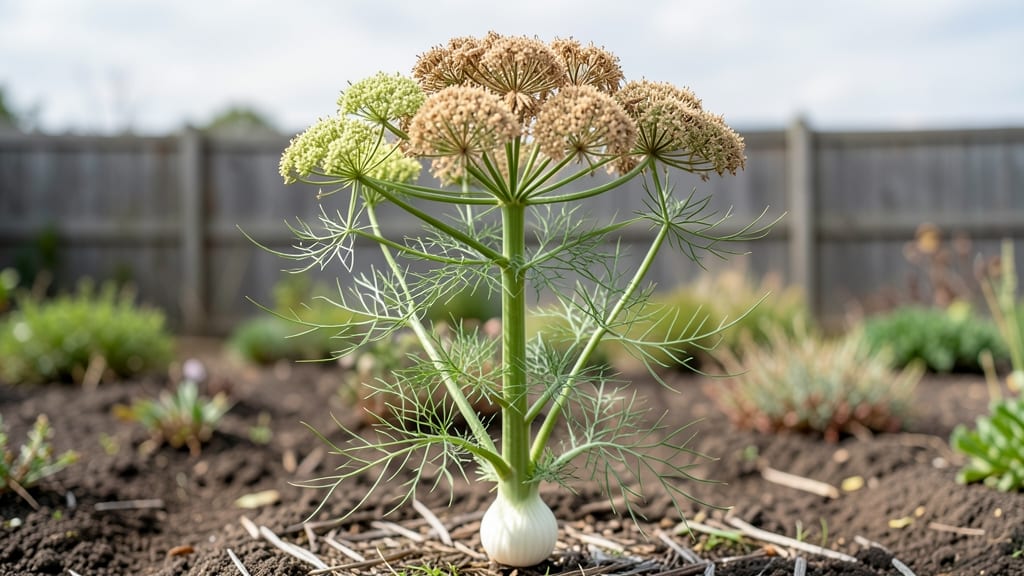
Harvesting fennel seed heads transforms your garden into a fragrant goldmine. 🌿 Those feathery plumes aren't just pretty—they hold the secret to bold anise flavor and a bumper crop of seeds for next year's planting.
I've learned the hard way that timing and technique make all the difference between a handful of seeds and a harvest that fills jars for months.
The key starts with healthy plants—fennel thrives in full sun and well-drained soil, but it's the seed heads that reward your patience. When the plumes turn from green to golden-brown and begin releasing seeds at the slightest touch, that's your cue.
A single plant can produce 1,000+ seeds, enough to sow a generous patch or share with fellow gardeners.
What you'll end up with is a pantry staple that doubles as a pollinator magnet. The seeds add depth to bread, sausages, and marinades, while the dried plumes attract beneficial insects all season.
The harvest process itself is simple: snip the stems, dry them upside-down, and shake out the seeds—no fancy equipment needed.
Works for gardeners with just a windowsill or a full plot. Whether you're saving seeds for next year or stocking your kitchen, this guide covers everything from planting to the final yield. Let's get those plumes producing!
📚 In This Guide
- What you need
- Instructions
- Tips and common mistakes
- Wrapping up and next steps
What you need
- ● Fresh fennel plants – Mature plants with fully developed seed heads (typically 6–12 months old). Aim for at least 3–5 plants for a decent yield.
- ● Sharp pruning shears or kitchen scissors – For clean cuts without damaging the plant.
- ● Paper bags or breathable fabric sacks – 2–3 medium-sized bags (10x12 inches) to collect seed heads and allow airflow.
- ● Drying rack or screen – A mesh screen, wire rack, or even a clean towel laid over a tray works well.
- ● Small bowls or containers – For sorting seeds after drying (2–3 small containers recommended).
- ○ Fine-mesh strainer or sifter – To separate seeds from chaff (optional but helpful).
- ● Food dehydrator – Speeds up drying time for large batches.
- ● Glass jars with airtight lids – For long-term storage of dried seeds.
- ● Labeling tags – To mark harvest dates and storage conditions.
- ● Gloves – If you’re sensitive to plant fibers or pollen.
How to harvest fennel seed heads for peak flavor and abundance
Here's the straightforward method I use every year to collect fennel seeds that stay fresh and potent for months.
🌿 Step 1: Identify Mature Seed Heads
Wait until the fennel plants produce brown, papery seed heads that feel dry to the touch—this usually happens 8-10 weeks after planting. The stems should be completely woody, and you'll notice the tiny seeds rattling inside when you shake the plant gently. If you harvest too early, the seeds won't be fully developed.
I always check a few heads by cracking one open—ripe seeds should be small, dark brown, and plump, not green or shriveled. This ensures maximum flavor and storage life. Harvest on a dry, sunny morning when dew has evaporated; this prevents mold from forming on the seeds.
✂️ Step 2: Cut the Seed Heads Properly
Use clean, sharp pruning shears to snip the seed heads 2-3 inches below the base of the dried umbel (the feathery flower cluster). This leaves enough stem to hang easily for drying. Avoid pulling or twisting the stems—this can damage the plant and reduce future seed production.
Place the cut heads in a brown paper bag (not plastic) with the stems pointing upward. The paper allows airflow while containing any seeds that might fall. I label each bag with the harvest date—this helps track freshness later. Store the bag in a dry, dark, well-ventilated spot like a pantry or basement.
🪴 Step 3: Dry the Seed Heads Thoroughly
Let the seed heads dry for 2-3 weeks in their bags. You'll know they're fully dry when the seeds rattle loudly when shaken and the stems snap easily. If you rush this step, the seeds may mold or lose potency. I check weekly by gently squeezing a seed head—if it feels brittle and crumbly, it's ready.
Once dry, remove the seed heads from the bag and shake them vigorously over a clean sheet of white paper or a tray. The seeds will fall out while the dried stems and flower parts stay behind. Discard any remaining plant debris—this keeps your seeds clean and free of contaminants.
⏰ Step 4: Store Seeds for Long-Term Use
Transfer the seeds to an airtight glass jar and store them in a cool, dark place like a pantry or refrigerator. Properly stored fennel seeds stay fresh for up to 2 years—though I find they lose some potency after a year. Label the jar with the harvest date to track freshness.
For best flavor, use the seeds within 6-12 months. If you notice a loss of aroma, simply crush a few seeds between your fingers—if they smell faint, it's time to harvest a fresh batch. Fennel seeds are versatile, so a little goes a long way in cooking, baking, and even homemade remedies.
Tips & tricks for perfect fennel seed harvesting
These simple tricks will help you maximize your fennel seed yield while keeping them fresh and flavorful for months.
Timing is Everything: Harvesting at the right moment makes all the difference. The 8-10 week window is critical—waiting until the seed heads feel completely dry and papery ensures fully developed seeds. I've learned the hard way that harvesting too early means tiny, underdeveloped seeds that lack flavor. The key is that gentle rattle you'll hear when shaking the heads—this is your cue that they're ready.
Harvesting Technique: Using clean pruning shears to cut 2-3 inches below the base prevents damage to the plant and makes drying easier. I've ruined entire plants by yanking stems—this leaves the plant vulnerable to disease and reduces next year's yield. Always cut cleanly and leave enough stem to hang the heads for drying. The upward position in your paper bag is crucial too—it keeps seeds contained while allowing airflow.
Drying Wisdom: Those 2-3 weeks of drying might seem long, but patience pays off. I check weekly by squeezing a seed head—if it feels brittle and crumbly, it's ready. Rushing this step leads to moldy seeds that lose their potency. A dark, well-ventilated spot is ideal—direct sunlight can cause overheating, while too much humidity encourages mold growth. The paper bag's breathability is perfect for this stage.
Storage Secrets: Once you've transferred your seeds to that airtight glass jar, label it immediately with the harvest date. I've found that seeds lose their aroma after about a year, so tracking freshness helps you use them at their peak. For best flavor, aim to use them within 6-12 months. The cool, dark pantry environment slows down oxidation, preserving that fresh-from-the-plant taste.
Pro Tips for Fennel Seed Heads
- These simple tricks will help you maximize your fennel seed yield while keeping them fresh and flavorful for months.
- Timing is Everything: Harvesting at the right moment makes all the difference.
- Harvesting Technique: Using clean pruning shears to cut 2-3 inches below the base prevents damage to the plant and makes drying easier.
Frequently asked questions
Got questions about harvesting and using fennel seed heads? You’re not alone! Here are some of the most common queries—plus straightforward answers to help you make the most of your fennel harvest.
When is the best time to harvest fennel seed heads?
The ideal time to harvest fennel seed heads is when they’ve turned a golden-brown color and the seeds rattle easily when shaken—usually late summer to early fall. Wait too long, and the seeds may scatter or lose potency. Harvest on a dry, sunny day for the best results!
How do I know if fennel seed heads are ready for drying?
Check for these signs:
- The seed heads should feel dry and papery to the touch.
- When you gently crush a seed head, it should release aromatic seeds easily.
- The stems should snap cleanly (not bend) when harvested.
Can I use fennel seed heads fresh, or do they need to be dried?
While you can use fresh fennel seed heads in teas or infusions, drying concentrates their flavor and extends shelf life. For cooking or baking, dried seeds are the gold standard—just store them in an airtight container away from light. Fresh heads can also be lightly crushed for immediate use in marinades or broths.
What do I do if my fennel seed heads fall off before harvesting?
Don’t worry—this is common! If seeds scatter prematurely, collect them from the ground and dry them in a single layer on a tray. Spread a sheet underneath to catch any stragglers. If the plant bolts too early, try harvesting some seeds when they’re partially mature and let the rest finish naturally.
How long do dried fennel seed heads last, and how should I store them?
Properly dried fennel seeds stay fresh for 6–12 months if stored correctly. Keep them in a cool, dark place (like a pantry or jar) or the fridge for even longer. Avoid plastic bags—glass jars with tight lids prevent moisture and pests. For extra freshness, freeze whole heads in a sealed bag for up to a year!
Wrapping up and next steps
Harvesting fennel seed heads is a rewarding way to elevate your garden’s flavor and productivity—whether you’re savoring fresh seeds or sharing them with fellow gardeners.
By timing your harvest, using the right tools, and storing them properly, you’ll unlock maximum yield and bold, aromatic flavors that make every dish shine. 🌿✨
Ready to take the next step? Experiment with drying methods or try fermenting seeds for unique twists, then treat your kitchen (or pantry!) to homemade fennel-infused magic. Happy harvesting!