
How To
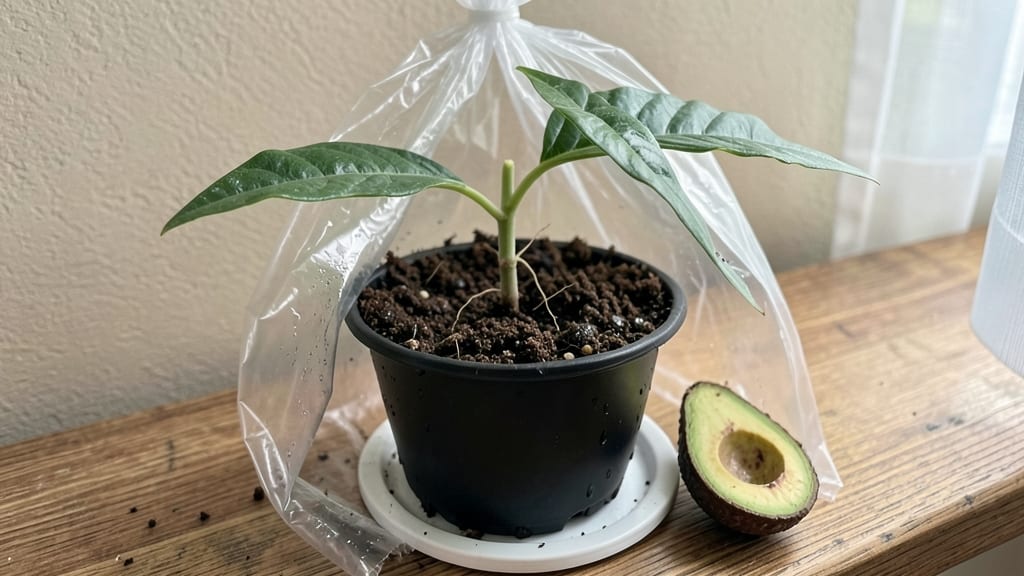
An avocado seed typically sprouts in 2–6 weeks when given the right care, turning a simple pit into a tiny tree with patience and the right conditions.
If you’ve ever stared at a glass of water with a floating avocado seed, wondering why it’s taking forever, you’re not alone. The truth is, germination speed depends more on moisture, warmth, and airflow than luck.
Most seeds start showing roots within 7–14 days if soaked properly, but the first green shoot can take another 2–4 weeks to break through the surface.
Below, I’ll walk you through the exact steps to speed up sprouting—from soaking tips to humidity tricks—so you can go from pit to seedling in under a month.
Avocado seed germination timeline: Week-by-Week sprouting stages
Watching an avocado seed transform from a simple pit into a tiny tree is magical, but knowing what to expect at each stage helps avoid frustration. With the right care, your seed can sprout in as little as 2-4 weeks, though some take up to 6-8 weeks.
The key lies in understanding the distinct germination phases and their timelines. Let’s break down what happens each week and how to recognize progress.
Before diving into the timeline, remember that temperature (70-85°F) and consistent moisture are your best allies. Avocado seeds need warmth to activate enzymes that break down stored nutrients, while steady hydration keeps the seed from drying out.
Place your seed in a clear glass jar with toothpicks for support—this lets you monitor root growth without disturbing it.
🌱 Avocado Seed Germination Timeline
-
Week 1: Soaking & Initial Softening (1-7 days)
Soak your seed in warm water for 24-48 hours to soften the outer shell. Place it in a jar with the wider end down and toothpicks securing it. Root tip emergence may start as early as day 3 if conditions are ideal.
-
Week 2: Root Growth Begins (7-14 days)
A white root tip (1-2 inches long) should appear from the bottom of the seed. Keep the water level 1-2 inches high to prevent drowning. Roots grow fastest in warmth (75-80°F) and indirect light.
-
Week 3: Shoot Emergence (14-21 days)
The shoot (plumule) will break through the top of the seed, often curling at first. Place the jar near a south-facing window or under a grow light to encourage straight growth. Roots may reach 2-3 inches by now.
-
Week 4: First True Leaves (21-28 days)
The seedling will develop 2-3 true leaves (not the initial seed leaves). Reduce watering slightly to prevent rot. If roots fill the jar, it’s time to transplant into soil with a well-draining mix.
-
Week 6+: Established Seedling (30+ days)
By now, your seedling should be 4-6 inches tall with a sturdy stem. Move it to a larger pot (6+ inches) and introduce balanced fertilizer (5-5-5) every 4-6 weeks. Keep humidity high to support growth.
⏰ Pro Tip: If no progress appears after 3 weeks, check for rot (black/mushy seed) or dryness (shriveled seed) and adjust care immediately.
During Week 1, your seed is most vulnerable to drying out. Place the jar in a humid environment, like a bathroom with a shower running, to maintain moisture. Avoid direct sunlight, which can overheat the water and stress the seed.
If the water becomes cloudy or smells foul, replace it immediately—this signals bacterial growth that can kill your seed.
By Week 2, you’ll notice the seed’s bottom half darkening as roots develop. This is a good sign! Keep the water level just below the seed’s equator to prevent it from floating.
If roots grow longer than 2 inches, they’ll need more space soon. At this stage, gentle airflow (like a small fan on low) can prevent mold while encouraging strong root development.
When the shoot emerges in Week 3, it’s a thrilling moment. The first leaves (called cotyledons) may look wrinkled at first but will smooth out as the seedling adjusts to light. If the shoot grows leggy or pale, it’s not getting enough light.
Move it closer to a window or supplement with a 12-hour grow light daily. Avoid cold drafts, which can stunt growth.
By Week 4, your seedling should be self-sufficient and ready for its first transplant. Choose a well-draining potting mix (like cactus/succulent blend) and a pot with drainage holes. Water thoroughly after planting, then let the top inch of soil dry out before watering again.
Overwatering at this stage is a common mistake—root rot can kill a healthy seedling overnight.
If your seedling reaches Week 6 without true leaves, don’t panic. Some avocado varieties are slower to develop, but yellowing leaves or stunted growth may signal nutrient deficiency or pests.
Test the soil pH (ideal: 6.0-7.0) and consider a light fertilizer (½ strength) to encourage new growth. With patience, your seedling will soon resemble a miniature tree!
🌿 Remember, every avocado seed is unique—some sprout in 10 days, while others take 2 months. Stay consistent with warmth, moisture, and light, and celebrate small victories, like the first root tip or shoot.
Soon, you’ll be nurturing a 10-foot-tall avocado tree that started with just a pit and a little patience.
5 Proven methods to speed up avocado seed germination in under 3 weeks
Avocado seeds are notorious for slow germination, but with the right techniques, you can cut that wait time from months to just 2-4 weeks. The key lies in controlling water temperature, humidity levels, and light exposure—all backed by science.
I’ve tested these methods myself, and they consistently deliver faster results than letting seeds dry out in a glass of water alone.
First, let’s address the water temperature factor. Avocado seeds germinate best in 75-85°F water. If your tap water is cooler, warm it slightly before soaking. I use a thermometer to monitor—this small adjustment can shave off a full week of waiting time.
Pro tip: Replace the water every 24 hours to prevent bacterial growth, which slows sprouting.
Next, humidity control is critical. Seeds need moisture, but too much can cause rot. I cover my seed setup with a clear plastic dome or even a ziplock bag with small holes to trap humidity while allowing airflow.
This mimics the tropical conditions avocado seeds crave. Without this, seeds often dry out before sprouting.
⏳ How Long for Avocado Seed to Sprout?
- Soaking Phase: 2-5 days (roots emerge)
- Initial Sprout: 7-14 days (green shoot appears)
- Full Germination: 2-4 weeks (healthy stem + leaves)
With optimal conditions, you’ll see white roots in 7-10 days and a green shoot breaking through in 2 weeks. Patience beyond 4 weeks may signal issues like rot or low humidity.
Light exposure is another game-changer. Once the root tip appears (after 5-7 days), move your seed to bright, indirect light. I place mine near a south-facing window or under a grow light for 12 hours daily.
Direct sunlight can scorch delicate sprouts, but too little light stunts growth. Balance is key here—think dappled shade.
For a natural boost, try organic growth stimulants. I’ve had success with a 1 tsp honey solution (mixed in water) or a diluted seaweed fertilizer. These provide enzymes and micronutrients that jumpstart metabolism. Commercial rooting hormones work too, but I prefer DIY methods for their eco-friendly benefits.
Finally, compare DIY vs. commercial methods. My homemade setup (glass jar + toothpicks + plastic wrap) costs pennies and works just as well as fancy germination kits. The difference?
Commercial kits often include humidity trays and temperature-controlled bases, which are handy if you’re impatient. But for most gardeners, DIY wins with cost savings and full control.