
Watering
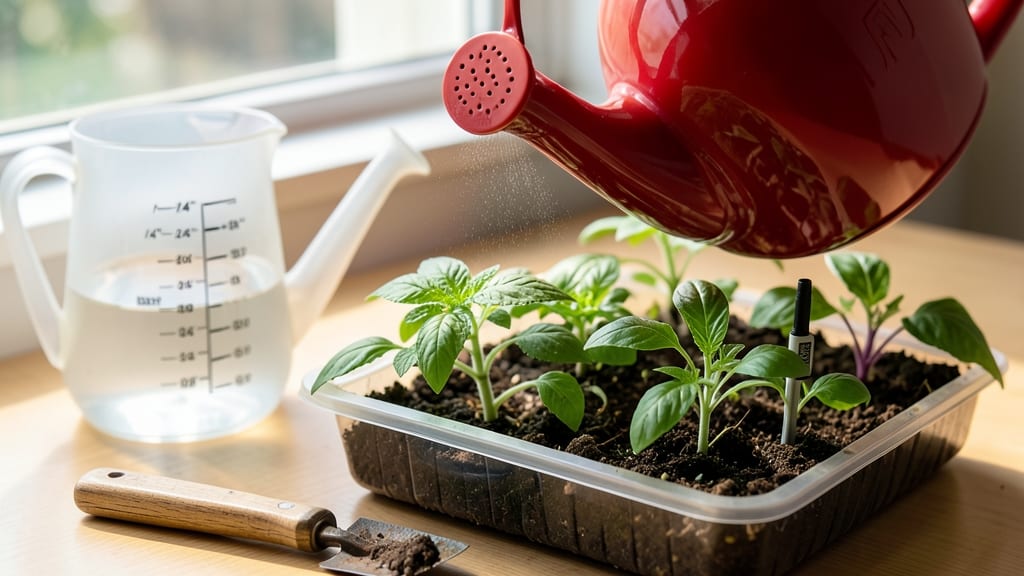
Watering seed starts the right way keeps them thriving from the first sprout 🌱—but timing is everything, and most gardeners either drown or starve their seedlings.
Overwatering or underwatering your seed starts can spell disaster—wilting, root rot, or stunted growth—before your plants even reach maturity. The right balance isn’t just guesswork; it’s a science backed by the proven 3-Day Rule that keeps seedlings thriving.
Here’s the secret: most seed starts need water every 2-3 days, not daily. Too much moisture suffocates roots, while too little leaves them weak and leggy. I’ll walk you through the exact schedule, how to check soil moisture without guessing, and tools that make watering precise.
By the end, you’ll know when to water, how much to give, and how to spot the signs of over- or under-watering before it’s too late. Let’s get those seedlings off to a healthy start.
The 3-Day watering rule explained: when and how to water seed starts
The 3-Day Watering Rule is the golden standard for seed starts—it ensures your seedlings get just enough moisture to grow strong roots without drowning. This rule isn’t arbitrary; it’s based on how fast seedling roots develop and how quickly soil moisture evaporates.
Most seed starts need water every 2-3 days once they’ve sprouted, but timing shifts based on your germination stage and environmental conditions.
Think of it like this: seeds need consistent moisture to germinate, but once they sprout, their tiny roots crave air pockets in the soil. Overwatering suffocates them, while underwatering weakens stems.
The 3-Day Rule balances these needs by letting the top ½ inch of soil dry between waterings—just enough to trigger root growth without stress.
Here’s the catch: fast germinators like lettuce or radishes may need watering every 1-2 days at first, while slow germinators like tomatoes or peppers can stretch to 3-4 days once established. The key is monitoring soil moisture, not sticking to a rigid schedule.
Before diving into schedules, let’s break down the science. Seedling roots grow fastest in moist but not soggy soil. When the top layer dries slightly, roots seek out water, creating a stronger network.
This is why the 3-Day Rule works—it mimics natural rainfall patterns while preventing damping-off disease, a fungal killer of seedlings.
The soil moisture test is your best friend—stick your finger ½ inch deep into the soil. If it feels dry at the surface but moist below, it’s time to water.
For fast germinators like basil or arugula, you might need to water daily until sprouts appear, then shift to the 3-Day Rule. Slow germinators like beans or peas can wait longer once sprouted.
Environmental factors throw a wrench into the schedule. In high humidity (like 70%+), soil stays moist longer—extend watering to 4-5 days. In dry, hot conditions (90°F+), water every 1-2 days to prevent wilting.
Even light levels play a role: seedlings under grow lights dry out faster than those near a window.
Pro tip: Bottom-watering is a game-changer. Place your seedling tray in a shallow tray of water for 10-15 minutes—this hydrates roots evenly without disturbing delicate stems. Pair this with a humidity dome (removed after sprouts appear) to lock in moisture.
For large seedling trays, a watering can with a narrow spout prevents overspray, which can cause fungal issues.
Watch for signs of stress: wilting leaves or soil pulling away from tray edges means underwatering, while yellowing leaves or moldy soil signals overwatering. Adjust your schedule based on these cues—there’s no one-size-fits-all rule. The 3-Day Rule is a starting point, not a strict law.
Remember, the goal is strong roots, not soggy soil. With the right balance, your seedlings will grow into hardy transplants ready for the garden. Next, we’ll tackle how to spot over- and underwatering before it’s too late.
Signs you’re overwatering or underwatering seed starts (and how to fix it)
Even with the 3-Day Rule in mind, it’s easy to misjudge your seed starts’ water needs. Overwatering and underwatering both cause irreversible damage—one drowns roots, while the other starves them. The key is recognizing the subtle signs before they become critical.
I’ve seen moldy trays from too much water and crispy seedlings from too little, and I’ll help you avoid both.
Start by checking the soil texture. Healthy seedling soil should feel like a damp sponge—lightweight but moist. If it clumps when squeezed or smells sour, you’ve overwatered. If it’s bone-dry and cracks when pressed, it’s time to hydrate. These visual cues save seedlings every season.
How Often to Water Seed Starts: Pros & Cons
Daily Watering (Pre-Sprout)
- ✅ Keeps soil consistently moist for germination
- ✅ Prevents dry seed failure
Cons
- ❌ Risks fungal growth in humid conditions
- ❌ Can drown seeds if soil doesn’t drain
Every 2-3 Days (Post-Sprout)
- ✅ Encourages deep root growth
- ✅ Reduces damping-off risk
- ✅ Mimics natural rainfall patterns
Cons
- ❌ Underwatering risk in hot/dry climates
- ❌ Requires soil moisture checks
Every 4-5 Days (Hardening Off)
- ✅ Prepares seedlings for outdoor conditions
- ✅ Reduces transplant shock risk
Cons
- ❌ Wilting risk in dry air
- ❌ Needs close monitoring
*Adjust based on humidity, temperature, and seedling stage.
Here are the 5 key symptoms of improper watering and how to fix them:
1. Yellowing leaves (especially lower leaves) signals overwatering. The fix? Let the top ½ inch of soil dry between waterings and improve drainage by adding perlite to your seed-starting mix. If mold appears, remove affected seedlings and repot healthy ones in fresh, sterile soil.
2. Wilting or crispy leaves mean underwatering. Give seedlings a deep drink by bottom-watering for 10-15 minutes and increase humidity with a clear plastic dome (remove after sprouts appear). For extreme cases, place the tray in a shallow dish of water to revive roots.
3. Soil pulling away from tray edges is a drying-out sign. This happens when the top layer dries too fast. Move trays to a shadier spot to slow evaporation and water more frequently until roots establish deeper. A mulch layer of fine compost can help retain moisture.
4. Black, mushy stems at the soil line indicate damping-off disease, caused by excess moisture and poor airflow. Remove infected seedlings immediately, sterilize trays with hydrogen peroxide (3%), and reduce watering frequency. Space seedlings wider to improve air circulation.
5. Leggy, weak stems often stem from underwatering or low light. Boost light with a grow bulb and water consistently every 2 days. If stems are already stretched, bury them ½ inch deeper when transplanting to encourage stronger growth.
Use this troubleshooting checklist to diagnose issues fast:
- 🔹 Check soil moisture: Stick your finger in—dry at surface? Water. Soggy? Wait.
- 🔹 Inspect leaves: Yellow = too wet; brown/crispy = too dry.
- 🔹 Test drainage: If water pools, improve soil mix with sand or vermiculite.
- 🔹 Adjust humidity: Use a humidity tray or dome for dry air.
- 🔹 Rotate trays: Ensure even light exposure to prevent lopsided growth.
Remember, consistency is key. Seedlings thrive on routine, so stick to your schedule and adjust based on their cues—not the calendar. With these signs in mind, you’ll catch issues early and keep your seedlings strong and healthy until transplant time. 🌱