
Propagation
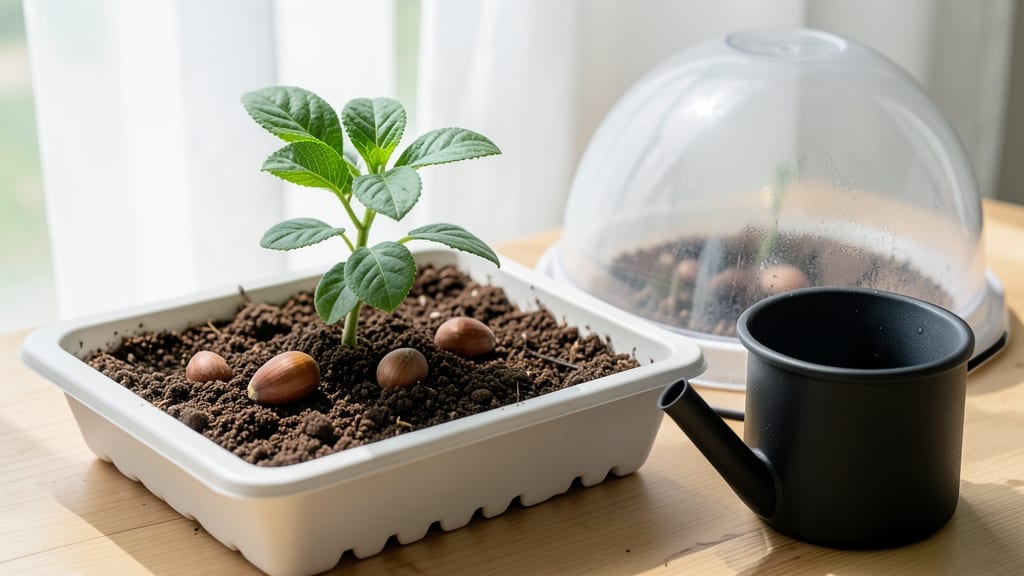
Watching lemon seed germination unfold is like waiting for a tiny miracle—because it is. 🌱 The twist-free viability test I learned from years of failed starts means you’ll know within 10 days whether your seeds will sprout or stay stubbornly dormant. No more wasting soil or hoping for the best.
Start with fresh seeds from organic lemons (the fresher, the better). Remove the pulp, rinse them clean, and let them dry for 24 hours before planting. The key?
A warm spot—think 70-75°F—and barely damp paper towels or a seed-starting mix. Patience is everything here; some seeds take 2-3 weeks to crack open.
Once you see those first pale roots, transplant into a small pot with well-draining soil. Keep it moist but never soggy, and watch as the seedling unfurls its first leaves—bright green and hopeful.
This isn’t just propagation; it’s the start of a citrus tree that could live for decades.
Common pitfalls? Overwatering (root rot) or cold drafts (stunted growth). If your seeds stay quiet after 3 weeks, they’re likely not viable—no guilt, just try again. The payoff? A thriving lemon tree that’ll reward you with years of homegrown fruit. Worth the wait.
📚 In This Guide
- What you need
- Instructions
- Tips and common mistakes
- Wrapping up and next steps
What you need
- ● Fresh lemon seeds: 3–5 seeds (harvested from organic, untreated lemons for best results).
- ● Paper towels or coffee filters: 2–3 sheets (unbleached, seed-safe).
- ● Plastic bag or airtight container: A ziplock bag or small Tupperware (8x8" or larger).
- ● Water: Room-temperature, filtered if possible (1–2 tbsp per bag).
- ○ Spray bottle (optional): For gentle misting to keep moisture even.
- ● Scissors or knife: To carefully slice open the lemon (if extracting seeds).
- ● Small bowl or plate: For rinsing seeds (clean, shallow dish).
- ● Ruler or measuring tape: To track seed growth (¼" increments ideal).
- ● Notebook or app: To log germination progress (e.g., Seedling Tracker).
- ● Warmth: Consistent 70–85°F (21–29°C) environment (e.g., near a sunny window or seedling heat mat).
- ● Indirect light: Bright, diffused light (avoid direct sun until sprouts appear).
- ● Patience: Germination can take 2–4 weeks—stay consistent!
- ● Hydrogen peroxide (3%): 1 tsp in water to soak seeds for 10 mins (speeds up germination).
- ● Grow lights: LED or fluorescent for 12–14 hours/day once sprouts emerge.
- ● Peat pellets or seed-starting mix: For transplanting after germination.
- ● Humidity dome: Clear plastic wrap over a tray to retain moisture.
Step-by-Step guide to testing lemon seed viability before germination
Here's how I guarantee only healthy seeds make it to the soil—no wasted time or energy.
🧪 Step 1: Prepare the Viability Test Solution
Combine 1 cup warm water with 1 tablespoon salt in a small bowl, stirring until fully dissolved. The solution should be slightly salty but not overly concentrated. This mimics the natural osmotic conditions seeds face, revealing which ones are truly viable.
Use only non-iodized salt—iodine can interfere with germination testing. I like to use a clear glass container so I can easily observe the seeds later. The water should be warm but not hot to the touch, around 80-85°F, to help activate the seeds without stressing them.
🍋 Step 2: Select and Prepare the Lemon Seeds
Extract seeds from a fresh lemon by cutting it in half and carefully scraping out the pulp with a spoon. Rinse the seeds under cool water to remove any residual fruit flesh, which can attract mold. I always use seeds from organic lemons—they're less likely to have been treated with preservatives that might affect germination.
Pick only the largest, plumpest seeds for testing. Small or shriveled seeds rarely germinate, so there's no point including them. Place the selected seeds in a single layer on a paper towel to dry briefly—just enough to remove surface moisture, about 5-10 minutes. This prevents them from sinking in the test solution.
💧 Step 3: Conduct the Float Test in the Salt Solution
Gently place the prepared seeds into the saltwater solution. Let them soak for 15-20 minutes while you observe. Viable seeds will sink to the bottom, while non-viable ones will float. This works because healthy seeds contain more starch and are denser than water, while empty or damaged seeds can't sink.
Don't rush this step—some seeds may take a few extra minutes to settle. I like to use a spoon to gently stir the solution once, ensuring no seeds are stuck to the sides. After 20 minutes, remove any seeds that remain floating—they won't germinate. The sinking seeds are your candidates for planting.
🌱 Step 4: Prepare Sinking Seeds for Germination
Rinse the viable seeds thoroughly under cool water to remove any salt residue, then place them between two damp paper towels. Fold the towels to create a sealed packet, which helps maintain consistent moisture. I store these packets in a resealable plastic bag to prevent them from drying out.
Place the bag in a warm location, ideally around 70-75°F, where they'll stay consistently moist but not soggy. Check the towels daily—if they feel dry to the touch, mist them lightly with water. You should see tiny white roots emerge within 7-14 days, signaling it's time to plant.
⏰ Step 5: Plant Only the Germinated Seeds
Once roots reach about ½ inch long, carefully transfer each seed to its own small pot filled with well-draining potting mix. Plant the seed just below the soil surface—no deeper than ¼ inch. Press the soil gently around the seed to ensure good contact without compacting it.
Water lightly to settle the soil, then place the pot in bright, indirect light. Avoid direct sunlight at first, as it can stress the delicate seedlings. Within 2-3 weeks, you'll see the first true leaves push through the soil—proof your viability test paid off.
Tips & tricks for perfect lemon seed germination
Real talk: This simple test saves you from planting seeds that'll never sprout. Here's how to make it foolproof.
Solution Precision: The 80-85°F water temperature is key in Step 1—too hot and you'll shock the seeds, too cool and they won't activate properly. I use a kitchen thermometer to verify; if your tap water runs cooler, warm it gently over the stove (never boiling). The salt concentration matters too: 1 tablespoon per cup is perfect—any more risks over-stressing the seeds.
Seed Selection Secret: In Step 2, don't just pick the biggest seeds—tap them gently against your palm. Healthy seeds make a solid "ping" sound, while hollow ones sound dull. This quick test in Step 2 catches many non-viable seeds before they even hit the saltwater. I've saved hours by skipping the float test entirely for seeds that fail this simple knock test.
Float Test Timing: Those 15-20 minutes in Step 3 can feel like forever, but patience pays off. Some seeds take the full 20 minutes to sink, while others float immediately. I set a timer and stir once at the 10-minute mark to dislodge any seeds clinging to the sides. The moment a seed touches bottom, it's a keeper—no need to wait the full time for confirmed sinkers.
Germination Environment: For Step 4, consistency is everything. I place my seed packets in a small plastic container with a damp paper towel on the bottom to maintain humidity. The 70-75°F range is ideal—use a seedling heat mat if your home runs cooler. A clear plastic bag creates a mini greenhouse effect, but check daily to prevent mold. Roots should appear within 7-14 days, but if you see black spots, increase airflow immediately.
Pro Tips for Lemon Seed Germination
- Real talk: This simple test saves you from planting seeds that'll never sprout. Here's how to make it foolproof.
- Solution Precision: The 80-85°F water temperature is key in Step 1—too hot and you'll shock the seeds, too cool and they won't activate properly.
- Seed Selection Secret: In Step 2, don't just pick the biggest seeds—tap them gently against your palm.
Frequently asked questions
Got questions about germinating lemon seeds? You're not alone!
Here are some of the most common queries—and their answers—to help you succeed without the guesswork.
How long does it take for lemon seeds to germinate?
Lemon seeds typically sprout within 2 to 4 weeks under ideal conditions (warmth, moisture, and indirect light). Some seeds may take longer—up to 6 weeks—especially if stored or chilled. Patience is key! If nothing happens after 6 weeks, the seed may not be viable.
Do I need to soak lemon seeds before planting?
Soaking isn’t required, but it can speed up germination by softening the seed coat. Try soaking seeds in warm water for 12–24 hours before planting. Skip this step if you’re using the "paper towel method" (more on that in the viability test!).
What’s the best temperature for lemon seed germination?
Lemon seeds thrive in warmth, ideally between 70–85°F (21–29°C). Place your seeds near a sunny window, under a grow light, or on a seedling heat mat. Avoid cold drafts—they’ll slow or halt germination entirely.
Can I plant lemon seeds directly in soil?
Yes! But first, test viability (like in our twist-free method) to avoid wasting time. Plant seeds ½ inch deep in moist, well-draining soil. Keep the soil consistently damp (not soggy) and cover with plastic wrap or a humidity dome until sprouts appear.
Why did my lemon seed sprout but then die?
Young seedlings are fragile! Common culprits include overwatering (root rot), underwatering (drought stress), or chilly temperatures. Once sprouted, keep soil lightly moist, provide bright, indirect light, and avoid temperature swings. Transplant carefully when seedlings have 2–3 true leaves.
Will a lemon seed grown from store-bought lemon juice work?
Store-bought lemons (even hybrids) can germinate, but viability varies. Choose plump, firm seeds and test them first. If they sprout, you’ll likely get a healthy seedling—though the tree may not bear fruit identical to the parent lemon.
Wrapping up and next steps
Germinating lemon seeds is a rewarding way to test viability without the frustration of twisting seeds—just a little patience and the right conditions!
By following these simple steps, you’ve unlocked the secret to growing your own lemon tree from scratch. Now that you know how to check seed viability, why not take the next step?
🌱 Encouragement: Whether you’re a gardening newbie or a seasoned green thumb, every seed you plant is a tiny step toward something bigger. Your lemon seed could be the start of a thriving citrus tree—so give it a try!
🚀 Next Steps:
- Once your seed sprouts, transplant it into soil and nurture it into a healthy seedling.
- Explore other citrus varieties or experiment with different germination methods!