
Propagation
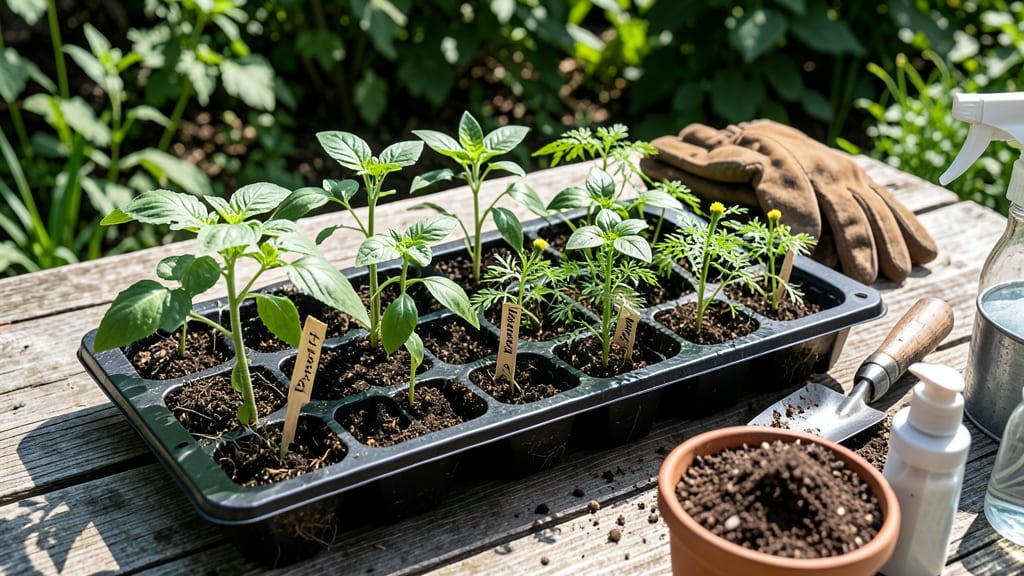
Transplanting seedlings from seed trays at the right time ensures they thrive—not just survive—once they hit the garden 🌱.
Too early, and you risk stunted growth or shock; too late, and overcrowded roots or leggy stems take over. The difference between a flourishing transplant and a struggling one often comes down to reading the plants and the weather.
Most gardeners focus on hardiness zones, but the real clues are in the seedlings themselves: 2-4 true leaves, sturdy stems, and roots that fill the tray without circling. Add in soil temperatures above 60°F and a week of hardening off, and you’ve got the perfect storm for success.
Here’s how to pinpoint the exact moment—by plant type, zone, and season—so your seedlings make the move with confidence, not chaos.


Key signs your seedlings are ready for transplanting (beyond hardiness zones)
Transplanting seedlings too early can stunt growth, while waiting too long risks overcrowding or root-bound stress—timing is everything for healthy plants. Instead of relying solely on hardiness zone deadlines, focus on plant-specific readiness cues like leaf count, stem thickness, and root development.
These visual and tactile signs tell you when your seedlings are truly prepared to handle outdoor conditions, regardless of what the calendar says.
Every plant has unique maturity indicators that signal readiness. For example, leafy greens like lettuce or spinach may only need 2-3 true leaves, while tomatoes or peppers should have 4-6 sturdy leaves before transplanting.
Ignoring these cues can lead to weak plants that struggle to adapt, even if the last frost date has passed. Understanding these plant-specific signals ensures a smoother transition from seed tray to garden bed.
Root development is one of the most critical transplant readiness signs. Healthy roots should fill the seed tray but not circle tightly around the edges—a sign of root-bound stress. Gently remove a seedling from its tray to check: roots should be white or pale, not dark or mushy.
If roots are circling, they’ll struggle to establish in the garden, leading to stunted growth. This simple check can save you from transplanting too early and risking shock.
Nighttime temperatures are another key factor beyond hardiness zones. Many seedlings thrive when nighttime temps stay above 50°F (10°C), but warm-season crops like tomatoes and peppers need even warmer soil—60°F (15°C) or higher. Use a soil thermometer to confirm conditions before transplanting.
Cold soil can shock roots, slowing growth or even killing tender seedlings. In cooler zones, wait until the soil warms naturally, even if the air temperature seems ideal.
| Plant Type | Optimal Leaf Stage | Root Check Method | Nighttime Temp Threshold | Hardiness Zone Adjustments |
|---|---|---|---|---|
| Leafy Greens (Lettuce, Spinach) | 2-3 true leaves | Roots filling tray, no circling | 45°F+ (7°C+) | Zone 3-5: Wait until soil warms to 40°F |
| Tomatoes, Peppers, Eggplants | 4-6 true leaves | Roots thick, white, filling tray | 60°F+ (15°C+) | Zone 5-7: Delay until soil reaches 60°F |
| Herbs (Basil, Cilantro) | 3-4 true leaves | Roots dense but not root-bound | 50°F+ (10°C+) | Zone 4-6: Harden off 10+ days before last frost |
| Flowers (Marigolds, Petunias) | 4-5 true leaves | Roots filling tray, no circling | 55°F+ (13°C+) | Zone 8-10: Transplant after last frost |
Stem thickness is another subtle but important readiness indicator. Seedlings ready for transplanting should have thick, sturdy stems that don’t flop over when touched. Thin, leggy stems are a red flag—they’re stretching toward light, a sign of nutrient deficiency or overcrowding.
If your seedlings look like they’re reaching for the sky, they need more light or are ready to be thinned out before transplanting. This physical strength ensures they can support themselves in the garden.
Environmental triggers like day length and moisture levels also play a role. Many plants, like cool-season crops, respond to increasing daylight by bolting (flowering prematurely) if transplanted too early. Keep an eye on your seedlings’ growth patterns: if they’re growing rapidly toward maturity, it’s time to move them outdoors.
Additionally, ensure the soil in your garden is well-draining and moist—transplanting into dry or compacted soil can stress roots immediately.
Don’t forget to harden off your seedlings before transplanting, even if they meet all the readiness signs. Hardening off is a 7-10 day process where you gradually expose seedlings to outdoor conditions—sun, wind, and temperature fluctuations.
Skipping this step can lead to transplant shock, where seedlings wilt or die within days. Start by moving trays outside for a few hours daily, then increase exposure over time. This acclimation mimics natural conditions and prepares seedlings for their new home.
Finally, trust your instincts—if your seedlings look vibrant, sturdy, and healthy but the calendar says “not yet,” don’t rush. Some years, weather patterns defy expectations, and waiting an extra
Hardiness Zone deadlines for transplanting common vegetables and flowers
Timing your seedlings' transition to the garden isn't just about avoiding frost—it's about matching each plant's temperature needs with your local climate zone.
In Zone 3, for example, you might transplant cool-season crops like broccoli as early as early May, while Zone 10 gardeners can start warm-season peppers in late February. The key is knowing your last frost date and adjusting for soil warmth, not just air temperature.
Coastal areas often have 2-3 week earlier transplant windows than inland zones due to milder microclimates. For instance, San Francisco (Zone 9) can transplant tomatoes in early March, while Denver (Zone 5) waits until late May.
Always check your local agricultural extension for hyper-local adjustments—even a 10°F difference in nighttime temps can determine success or failure.
For cool-season crops like lettuce or spinach, aim to transplant 4-6 weeks before your first expected frost in fall. These plants thrive in 50-65°F soil and can even tolerate light frosts. Meanwhile, warm-season crops like cucumbers and eggplants demand 70°F+ soil—waiting too long can delay harvests by weeks.
Pro tip: Use a soil thermometer to verify temperatures before transplanting. Many gardeners in Zones 5-7 face transplant shock because they rely on air temps rather than soil warmth. For example, Zone 6 gardeners should wait until late May for tomatoes, even if nighttime air temps are already mild.
Remember, these deadlines are guidelines, not rules. Monitor your seedlings for legginess or pale stems—signs they’ve outgrown their trays. If roots are circling, transplant immediately, even if it’s slightly early. The goal is healthy plants, not perfect timing.