
Plants
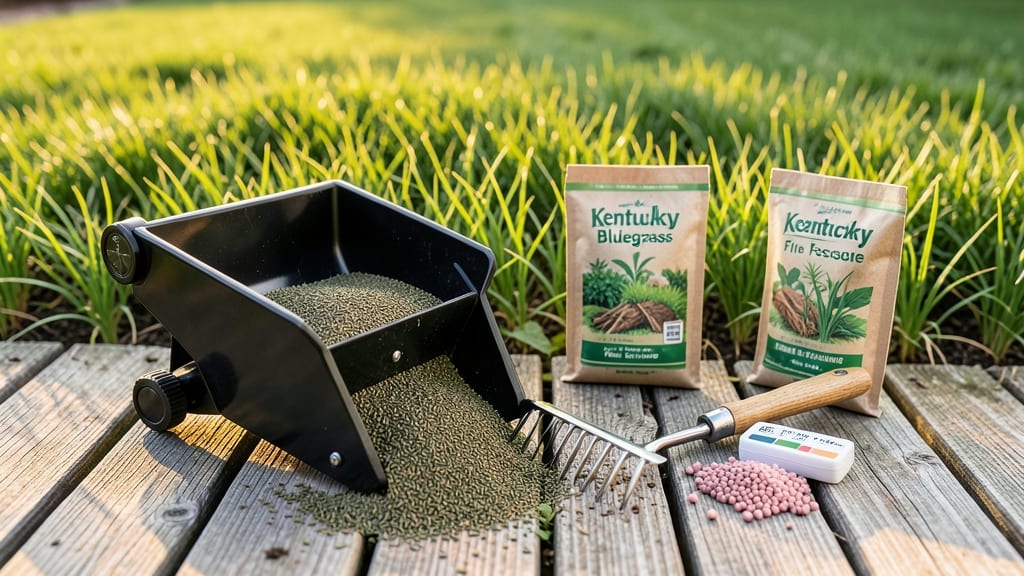
Planting grass seed in Northern New Jersey at the right time is the key to a thick, green lawn that survives the region’s unpredictable weather.
Timing your grass seed planting in Northern New Jersey can mean the difference between a lush, green lawn and a patchy, struggling one—especially with NJ’s unpredictable spring and fall weather. One wrong move, and you’re left with weeds or slow germination, wasting both time and money.
In Zone 6a, the best windows are early spring (March–April) or early fall (September–October), when soil temperatures sit between 50–65°F—ideal for cool-season grasses like Kentucky bluegrass and fescue. But even the best plans can go sideways if you miss the frost dates or ignore soil prep.
Below, I break down the exact planting windows for your zone, soil prep steps, and how to adjust for microclimates—so you can finally get that dream lawn without the guesswork.
Northern NJ hardiness zones: best grass seed planting months by Zone
Northern New Jersey spans USDA Hardiness Zones 6a to 7a, where cool-season grasses like Kentucky bluegrass and tall fescue thrive.
The perfect planting window depends on your specific zone, as frost dates and soil temperatures shift slightly between 6a and 7a. Planting at the right time ensures strong germination and rapid root establishment before summer heat or winter dormancy sets in.
In Zone 6a (common in areas like Bergen County and Passaic County), the last frost date typically falls around April 15, while Zone 7a (seen in parts of Morris County) sees frost 1-2 weeks later.
These differences mean your ideal planting months may vary by just a few weeks, but timing remains critical for success.
For both zones, the best time to plant grass seed is during early spring (March–April) or early fall (September–October). Spring planting allows seeds to establish before summer heat, while fall planting gives roots time to grow before winter dormancy.
Avoid planting in late summer (July–August), when heat and drought stress can kill young seedlings.
Soil temperature is your most reliable guide—aim for 50–65°F at a 4-inch depth. In Zone 6a, this usually aligns with late April to early May for spring and mid-September to early October for fall. In Zone 7a, you may have a 1-2 week extension in both seasons.
Here’s a quick reference for Northern NJ grass seed planting windows by zone, including frost dates and soil prep tips:
If you’re planting in Zone 6a, focus on fall planting (September) to avoid late spring frosts that can damage young seedlings. In Zone 7a, you have more flexibility but still benefit from early fall planting—roots established by mid-October will handle winter better.
Always check a local frost calendar for your exact location, as microclimates (like urban heat islands) can shift dates by a week or more.
For both zones, soil preparation is just as critical as timing. Loosen the top 4 inches of soil, remove debris, and rake to create a fine, level seedbed. Test your soil’s pH (6.0–7.0 is ideal) and amend with compost or lime if needed.
Cool-season grasses like tall fescue prefer slightly acidic soil, while Kentucky bluegrass tolerates a wider range.
Once planted, maintain consistent moisture—water deeply daily for the first 2 weeks to encourage germination, then taper to 2–3 times per week. Avoid walking on the lawn until the grass reaches 3–4 inches tall to prevent soil compaction.
In Zone 6a, you may need to protect new seedlings with frost cloth if an unexpected cold snap hits in early spring.
Remember, fall planting often yields the best results in Northern NJ because weeds are less competitive, and cooler temperatures reduce stress on young grass.
If you miss the fall window, early spring planting is your next best option—just be prepared to monitor for frost and adjust your watering schedule as temperatures rise.
Spring vs fall planting: which offers better results in Northern NJ?
Deciding between spring and fall planting in Northern NJ can be tricky, but both seasons offer unique advantages for establishing a healthy lawn. In my experience, fall planting often edges out spring for cool-season grasses like Kentucky bluegrass and fescue, thanks to milder temperatures and fewer weeds.
However, spring planting isn’t a lost cause—it just requires more attention to soil prep and watering schedules. The key difference lies in how each season affects root establishment and weed competition, which I’ll break down below to help you choose the best time for your lawn.
- Warmer soil speeds up germination (7-14 days)
- Longer daylight hours boost photosynthesis
- Easier to spot and remove weeds early
- Higher weed competition as weeds germinate faster
- Requires frequent watering (drought risk)
- Soil may be too dry or compacted
- Cooler temps reduce weed pressure and stress
- Grass establishes stronger roots before winter
- Consistent rainfall reduces watering needs
- Frost risk in late October can delay germination
- Shorter daylight may slow early growth
- Soil may be too wet after summer rains
For spring planting, I recommend starting in early April when soil temperatures reach 50°F. This timing gives seeds a head start before weeds take over.
However, you’ll need to water daily for 2-3 weeks to keep the soil consistently moist—something I’ve learned the hard way after seeing seeds dry out in hot winds.
Fall planting, on the other hand, benefits from September’s mild weather, which allows grass to establish deep roots before winter. Aim for late August to early October, but stop by October 15 to avoid frost damage.
The trade-off? You might see slower initial growth, but the long-term resilience of fall-planted grass is worth it.
One critical factor I can’t emphasize enough is soil moisture. In spring, you’ll need to monitor watering closely, while fall often provides natural rainfall. Test your soil’s moisture by grabbing a handful—if it crumbles easily, it’s ready for seeds. If it sticks together, wait a day or two.
Ultimately, fall planting wins for most Northern NJ lawns, but spring can work if you’re prepared for extra care. Either way, prep your soil first—remove debris, loosen the top 4 inches, and add compost—to give your grass the best possible start. 🌱