
Plants
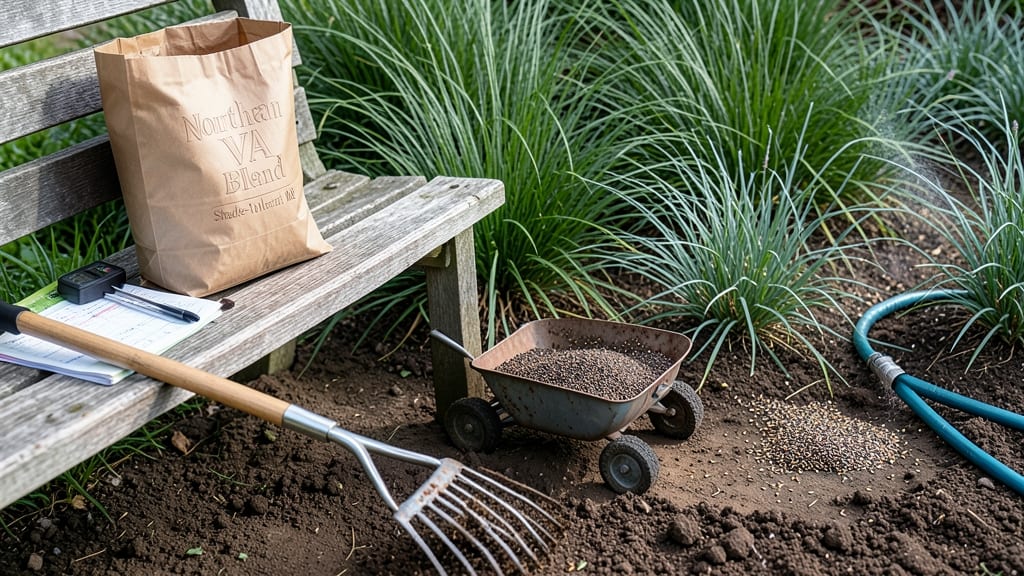
Planting grass seed in Northern VA at the right time means the difference between a thick, green lawn and a patchy, frustrating mess.
If you're dreaming of a lush, green lawn in Northern Virginia, timing your grass seed planting is the secret weapon—miss the window, and you’ll face patchy growth or wasted effort. Cool-season grasses thrive here, but knowing exactly when to plant (and what to avoid) makes all the difference.
In zones 7a-7b, the best times to sow 🌱 grass seed are early fall (September–October) and early spring (March–April). These periods give young roots a fighting chance against summer heat or winter cold, while soil temperatures stay ideal for germination.
Below, I’ll walk you through the exact deadlines, soil prep tips, and regional tweaks (like Piedmont vs. Shenandoah Valley) to ensure your grass takes hold—no guesswork, just results.
Northern VA grass seed planting calendar: ideal months for cool-season grasses
Northern Virginia’s USDA zones 6b-7a create perfect conditions for cool-season grasses like Kentucky bluegrass and tall fescue, but timing is everything. Plant too early, and seedlings struggle with summer heat; too late, and winter frost stunts growth.
The two ideal windows—early fall and early spring—offer the best balance of soil warmth and moisture for germination.
In my years of planting lawns here, I’ve learned that September through October and March through April are the golden periods. These months align with soil temperatures between 50°F and 65°F, which is the sweet spot for seedling establishment.
The Shenandoah Valley’s cooler microclimate may shift these windows slightly earlier, while the DC metro area’s urban heat island effect can delay spring planting by 1-2 weeks.
Why these windows work: Fall planting lets seeds germinate in warm soil while cooler air reduces stress. Spring planting avoids summer’s intense heat, giving seedlings time to root before summer dormancy. Both periods also benefit from consistent rainfall patterns that Northern VA typically enjoys during these transitions.
Here’s the breakdown of ideal planting months, soil conditions, and regional adjustments to maximize your success:
For early fall planting, aim to finish by mid-October in most of Northern VA. This gives seedlings 4-6 weeks to establish before winter dormancy.
In the Shenandoah Valley, you can push planting until late October thanks to slightly cooler temperatures, while the DC metro area should wrap up by early October to avoid early frosts.
Spring planting should begin as soon as soil temperatures rise above 50°F—typically late March in the Piedmont region and early April near coastal areas. The key is to plant 4-6 weeks before your average last frost date (March 15 for most of Northern VA).
This timing ensures seedlings aren’t caught by unexpected late frosts while still avoiding summer’s heat stress.
One common mistake I see is planting in late summer (July-August) when temperatures consistently exceed 80°F. While some gardeners attempt this with daily irrigation, the risk of fungal diseases and seed desiccation makes it unreliable.
If you must plant in summer, choose tall fescue varieties, which have slightly better heat tolerance, and be prepared for constant watering.
To test if your soil is ready, use a soil thermometer—insert it 2 inches deep and wait 10 minutes. For cool-season grasses, the ideal range is 50°F to 65°F.
In USDA zone 7a (like parts of Loudoun County), you might see 55°F soil temps as early as late February, but I recommend waiting until March to give the soil time to warm consistently.
Remember that microclimates matter. A south-facing slope in Arlington will warm up faster than a north-facing yard in Winchester. If you’re unsure about your specific conditions, check the Virginia Cooperative Extension’s frost maps or use a local weather station to track soil temperatures before planting.
Pro tip: Mark your calendar for September 15th as your fall planting deadline in most of Northern VA. This gives you a buffer before the first expected frost (typically November 15th). For spring, April 15th is your cutoff to avoid summer heat stress on young seedlings.
Critical factors that determine your exact planting deadline in Northern VA
Northern Virginia’s cool-season grasses like Kentucky bluegrass and tall fescue need precise timing to thrive. The last frost date (around March 15) and first frost (around November 15) bookend your planting windows, but other factors like soil temperature and rainfall forecasts can shift deadlines by weeks.
For example, tall fescue germinates faster in 50–65°F soil, while Kentucky bluegrass prefers 60–70°F. If your soil warms up early (like in Piedmont areas), you might plant 2–3 weeks earlier than in cooler Shenandoah Valley regions.
Always check the 7-day rainfall forecast—dry spells delay germination, while steady rain speeds it up.
⚠️ WARNING: Planting Too Early or Late ⚠️
✅ Ideal deadlines:
- Early fall: September 1–October 15 (soil stays warm, rainfall increases)
- Early spring: March 15–April 30 (avoid post-frost soil compaction)
Use this soil readiness checklist before planting: ☑️ Test soil temperature with a soil thermometer (aim for 50–65°F). ☑️ Loosen top 2–3 inches of soil with a rake (avoid tilling—it disrupts roots). ☑️ Spread compost or starter fertilizer (high in phosphorus) to boost root growth. ☑️ Lightly water the area 24 hours before planting to settle the seedbed.
Grass type matters too: Tall fescue handles drought better than Kentucky bluegrass, so if your August rainfall is unreliable, choose tall fescue for late-summer plantings. For shady areas, fine fescue germinates faster in cooler soil (ideal for November plantings).
Pro tip: Sign up for Virginia Cooperative Extension alerts (free!) for localized frost and disease warnings. Their Northern VA Lawn Calendar adjusts deadlines yearly based on microclimate shifts. For example, Arlington may plant 1 week later than Winchester due to urban heat islands.
Miss the ideal window? Overseed in early spring—just avoid fertilizing until after germination. Patience pays off: cool-season grasses establish 3x faster in optimal conditions than in marginal timing. 🌱