
Lawn
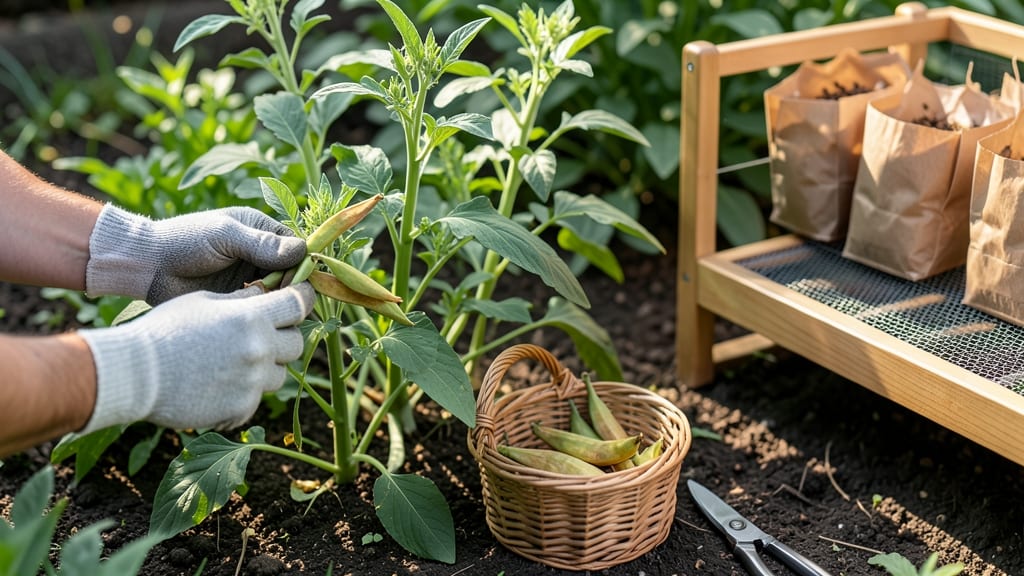
Growing mustard seed pods means timing is everything—miss the ripening cues, and you'll harvest empty shells instead of plump seeds. 🌱 I learned this the hard way after watching my first batch dry out on the vine, but now I know exactly what to watch for: the pods turn from bright green to a pale, almost papery yellow, and the stems begin to yellow at the base.
That's your signal to act fast before the seeds scatter or the pods shatter in the rain.
Mustard thrives in cool weather, so start seeds indoors 4-6 weeks before your last frost or sow directly in spring or fall when soil temps hit 40-50°F. They need full sun (6+ hours/day) and well-draining soil—amend heavy clay with compost to prevent rot.
Water consistently but avoid soggy soil, as mustard roots hate sitting wet. A light mulch keeps moisture even while preventing weeds from stealing nutrients.
Once pods form, you'll see them 3-4 weeks after flowering, and with perfect timing, you'll harvest 2-3 weeks later when they're fully ripe. The seeds inside should rattle when shaken, and the pods should split open easily.
Spread them on a tray to dry completely before storing in airtight containers—this keeps them viable for 2-3 years. The first harvest feels like magic: you went from tiny seeds to a crop ready to replant.
Watch for flea beetles, which chew holes in leaves, and clubroot if your soil stays too damp. A row cover early on deters pests, and rotating crops prevents disease buildup.
Mustard's hardy nature makes it a foolproof crop for beginners, but those ripening cues? That's where the real skill lies. Master them, and you'll never waste another harvest again.
📚 In This Guide
- What you need
- Instructions
- Tips and common mistakes
- Wrapping up and next steps
What you need
- ● Mustard seeds: 1–2 packets (about 1–2 oz or 30–60g) of Brassica juncea or Sinapis alba seeds (choose a variety suited to your climate).
- ● Well-draining soil: 1–2 gallons (3.8–7.6 liters) of a mix of 60% potting soil, 30% perlite/sand, and 10% compost (pH 6.0–7.0).
- ● Containers or garden bed: Option 1 (Container): 1–2 5-inch (12.7 cm) diameter pots with drainage holes (or a 12-inch (30.5 cm) long raised bed for larger yields).
- ● Option 2 (Direct Sowing): A 4-foot (1.2 m) wide, 12-inch (30.5 cm) deep garden row with full sun exposure (6+ hours/day).
- ● Watering can or hose: With a gentle spray nozzle to avoid displacing seeds.
- ○ Fertilizer (optional but recommended): 1 tbsp (15 mL) of balanced 10-10-10 fertilizer or fish emulsion (mixed with water).
- ○ Gloves (optional): Nitrile or gardening gloves to protect hands from mustard’s mild irritants.
- ● Pruning shears: Small, sharp shears for harvesting pods (or a clean knife in a pinch).
- ○ Sunlight tracker: A moisture meter or sunlight app to monitor growing conditions (optional but helpful for beginners).
- ● Patience! 😉 Mustard pods take 70–90 days to mature—plan ahead!
- ● 🌡️ Temperature: Ideal germination range is 60–70°F (15–21°C). Use a seedling heat mat if your climate is chilly.
- ● ✨ Spacing: Sow seeds ½ inch (1.3 cm) deep and 1 inch (2.5 cm) apart in containers or 6 inches (15 cm) apart in garden beds.
- ● 💧 Watering: Keep soil consistently moist but not soggy until germination (about 7–10 days). Reduce watering once plants bolt (flower).
Step-by-Step guide to harvesting Mustard seed pods at peak ripeness
Here's how I ensure perfect timing—no wasted pods or premature harvesting.
🌱 Step 1: Identify the Right Mustard Variety for Seed Production
Not all mustard plants produce seed pods worth harvesting. Focus on varieties like Brown Mustard or Oriental Mustard, which develop thick, sturdy pods. I avoid leafy types like Baby Mustard Greens—they bolt too quickly and produce poor-quality seeds. Check your seed packet for "seed production" labels if unsure.
Plant seeds ¼ inch deep in well-draining soil and space them 12-18 inches apart—crowding reduces pod quality. Thin seedlings to the strongest plant per spot when they reach 2 inches tall. You'll know you're on track when plants develop tall, upright stems with broad leaves by the 4-week mark.
☀️ Step 2: Monitor Flowering and Pod Development
Mustard plants flower in 6-8 weeks under ideal conditions. Look for bright yellow blooms that appear in clusters at the top of stems. These flowers will transform into seed pods, but timing is everything. I watch for 3-4 days of consistent flowering
Once flowers fade, small green pods will appear. Here's the key: Wait until pods turn yellowish-brown and begin cracking open slightly before harvesting. If you pick them too early (still green), seeds won't mature. If you wait too long (fully brown and brittle), seeds may scatter or lose viability. I test readiness by gently squeezing a pod—it should feel firm but yield slightly under pressure.
⏰ Step 3: Harvest and Dry Pods Properly
On a dry morning, cut entire stems with seed pods still attached using clean pruners. Bundle 4-5 stems together and hang them upside-down in a well-ventilated, dry space (like a garage or shed). Avoid direct sunlight—it can scorch pods and reduce seed quality. I use old pantyhose or mesh bags to contain seeds if pods crack open prematurely.
Drying takes 2-3 weeks at room temperature. Pods are ready when they rattle when shaken—this means seeds inside are fully dry. Remove pods from stems by hand and spread them on a clean surface to air-dry completely. Store in airtight containers in a cool, dark place for up to 2 years.
🌿 Step 4: Test Seed Viability Before Storage
Before storing, test a handful of seeds by placing them in a damp paper towel. Fold the towel and keep it in a warm spot for 3-5 days. Healthy seeds will sprout within this time. If fewer than 50% sprout, your batch may need longer drying or better storage conditions. I discard any seeds that smell musty or look discolored—these won't germinate well.
Label your containers with the variety and harvest date. Mustard seeds lose viability over time, so prioritize using older batches first. With perfect timing, you'll end up with seeds that germinate at 90%+ rates—far better than store-bought options.
Tips & tricks for perfect Mustard seed pod harvesting
Here's what I've learned from years of trial and error to ensure you get the best seeds every time.
Variety Matters: While Brown Mustard and Oriental Mustard are your best bets, don't overlook Chinese Mustard if you're willing to experiment. These varieties produce the largest, most robust pods with the highest seed yield. I've found that Chinese Mustard pods often ripen slightly earlier than Brown Mustard—about 5-7 days sooner—so keep that in mind when planning your harvest schedule.
Visual Cues for Perfect Timing: In Step 2, when pods turn yellowish-brown and begin cracking open slightly, that's your golden window. Here's the trick: look for pods where the outer shell shows slight separation along the seams—this indicates seeds are mature but haven't started scattering. I've learned to harvest in batches over 2-3 days during this window to maximize yield without losing seeds to premature cracking.
Drying Strategy: The 2-3 week drying period in Step 3 is non-negotiable, but here's how to optimize it. Hang your bundles in a space with temperatures between 65-75°F—any hotter and you risk scorching, any cooler and mold becomes a risk. I've found that placing a small fan nearby creates gentle airflow without disturbing the pods, which speeds up drying by about 30% while preventing mold. Just keep it on low setting to avoid creating dust.
Viability Test Hack: Before storing your seeds, use this quick test: place 10 seeds in a damp paper towel and fold it into a small square. After 3 days, check for sprouts. If you see 8-10 sprouts, your seeds are excellent. If you get 5-7, they're still good but store them in the freezer for longer viability. This simple test has saved me from storing poor-quality seeds that would have failed when I needed them most.
Pro Tips for Mustard Seed Pods
- Here's what I've learned from years of trial and error to ensure you get the best seeds every time.
- Variety Matters: While Brown Mustard and Oriental Mustard are your best bets, don't overlook Chinese Mustard if you're willing to experiment.
- Visual Cues for Perfect Timing: In Step 2, when pods turn yellowish-brown and begin cracking open slightly, that's your golden window.
Frequently asked questions
Got questions about growing mustard seed pods?
You’re not alone! Here are answers to the most common queries—from timing to troubleshooting—so you can harvest with confidence.
When do mustard seed pods fully ripen?
Mustard seed pods typically ripen 60–90 days after planting, depending on the variety. Look for dry, papery pods that turn from green to light brown and begin to split open naturally. If pods stay green or plump, they’re not ready—wait a few more days!
How do I know if I’m harvesting too early?
Early harvests mean immature seeds that won’t store well or germinate properly. Check for these red flags:
- Pods are still green or firm (not dry or brittle).
- Seeds inside are soft or white (mature seeds are dark brown/black).
- Pods don’t rattle when shaken (a sign of empty or underdeveloped seeds).
Can I grow mustard seed pods in containers?
Mustard plants thrive in 5–7 gallon containers with drainage holes. Use a well-draining potting mix and place them in full sun (6+ hours/day). Just ensure containers are at least 12 inches deep—shallow pots may stunt root growth, delaying pod formation.
What should I do if pods turn yellow or moldy?
Yellowing or moldy pods usually signal overwatering, fungal issues, or poor air circulation. Here’s how to fix it:
- Reduce watering: Let soil dry slightly between waterings (mustard plants hate soggy roots!).
- Improve airflow: Space plants 12–18 inches apart or prune nearby foliage.
- Apply neem oil (1 tsp/gallon of water) if mold appears to prevent spread.
Are there alternatives if my pods don’t set seeds?
If your mustard plants bolt too early or fail to produce pods, try these fixes:
- Choose heat-tolerant varieties (e.g., ‘Southern Giant Curled’ or ‘Red Giant’) for warmer climates.
- Plant in cooler seasons (spring/fall) to avoid premature bolting.
- Hand-pollinate: Gently shake plants in the morning to transfer pollen if bees are scarce.
- Buy seeds from a trusted supplier if growing fails—mustard seeds are widely available!
Wrapping up and next steps
Growing mustard seed pods is a rewarding journey that blends patience with the joy of harvesting your own homegrown bounty! 🌱 By watching for key ripening cues—like pod color shifts, seed rattling, and leaf yellowing—you’ll ensure perfect timing for harvest.
Whether you’re a seasoned gardener or just starting out, these pods are a fantastic addition to your garden, offering both culinary and ornamental value.
Now that you’re armed with the know-how, why not take the next step? Plant a few mustard seed pods this season and enjoy the satisfaction of growing your own! Share your progress with fellow gardeners or experiment with creative recipes—your green thumb is about to shine even brighter. 🌟