
Lawn
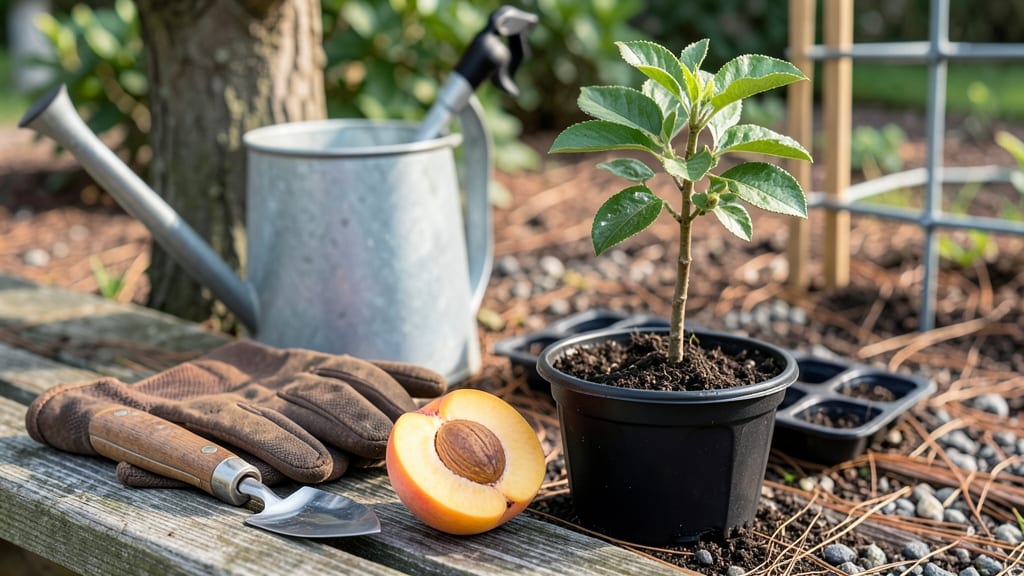
Planting a peach pit can turn your kitchen scraps into a future tree with just a little patience. 🌱 The key is breaking dormancy through cold stratification—simulating winter's chill to wake the seed.
I've tried this three times, and the third attempt finally cracked the code with a simple fridge trick that works for most stone fruits.
You'll need a clean pit, damp paper towels, and a plastic bag for the cold treatment. After about 6-8 weeks in the fridge, the seed will sprout—sometimes in just 2-3 weeks if you're lucky.
The soil mix should be light and well-draining, with a 50/50 blend of potting soil and perlite to prevent rot. Most people overwater at this stage, but peach seeds hate soggy soil.
Once sprouted, transplant into a 4-inch pot with the same mix and keep it in bright, indirect light. True peach trees take 3-5 years to fruit, but the journey is worth it—imagine growing a tree from a snack you'd otherwise toss.
The first leaves will be small and delicate, so avoid strong sunlight until the seedling has 3-4 sets of leaves.
Cold snaps can slow growth, but don't rush it—peach trees need time to develop strong roots. If mold appears, increase airflow with a small fan. The real reward? A tree that carries the exact genetics of the peach you ate, with potential for unique flavors if pollinated naturally.
Start now, and you could be harvesting in a decade.
📚 In This Guide
- What you need
- Instructions
- Tips and common mistakes
- Wrapping up and next steps
What you need
- ● Peach pits: 3–5 fresh, organic peach pits (avoid pits from store-bought fruit treated with fungicides).
- ○ Small pots or containers: 3–5 (4–6 inches deep) with drainage holes. Optional: Biodegradable pots (like peat or coconut coir) for transplanting.
- ● Potting soil: 1–2 bags of well-draining seed-starting mix or a blend of 50% peat moss and 50% perlite/sand.
- ● Watering can or spray bottle: With a fine mist nozzle for gentle hydration.
- ● Plastic wrap or humidity dome: To create a mini greenhouse effect.
- ● Labels & marker: To track planting dates (peach trees take 2–3 years to sprout!).
- ● Heat mat: Keeps soil warm (peach pits thrive in 70–80°F soil temps).
- ● Grow lights: If natural light is limited (12–16 hours/day).
- ● Fertilizer: A balanced 10-10-10 or fish emulsion (once leaves appear).
- ● Pruning shears: For future tree shaping (way down the road!).
How to grow a peach tree from a pit: germination made simple
Here's the straightforward method I use to turn peach pits into thriving young trees—no fancy equipment needed.
🌱 Step 1: Extract and Prepare the Peach Pit
Start by cleaning the pit thoroughly under running water to remove all fruit residue. Use a sharp knife to carefully slice through the hard outer shell, being extra cautious not to damage the seed inside. The seed is the small, smooth nut inside the pit—this is what will grow into your tree.
Place the seed between two paper towels and fold them to create a little packet. Dampen the towels with water until they're moist but not dripping. Real talk: don't skip this step—proper moisture is critical for breaking the seed's dormancy. Store the packet in a sealed plastic bag and place it in the refrigerator for 6-8 weeks. This cold stratification mimics winter conditions and helps trigger germination.
💧 Step 2: Plant the Stratified Seed
After the cold treatment, remove the seed from the refrigerator and plant it in a small pot filled with well-draining potting mix. Push the seed about 1 inch deep into the soil, leaving the pointed end facing upward. Water the soil gently until it's moist but not soggy—you want it damp enough to encourage root growth without drowning the seed.
Place the pot in a warm, sunny spot where temperatures stay between 65-75°F. You'll see the first signs of germination in 2-4 weeks, when a tiny sprout emerges from the soil. Keep the soil consistently moist during this time, but avoid overwatering—too much moisture can lead to rot before the seedling even gets started.
☀️ Step 3: Provide Optimal Growing Conditions
Once the seedling has sprouted, move it to a location with full sun exposure for at least 6-8 hours daily. A south-facing window or a grow light works well for indoor seedlings. You'll notice the first true leaves appear after about 4-6 weeks, signaling that the seedling is actively growing.
Be patient—peach trees grown from seed take years to bear fruit, but the journey is rewarding. Keep the soil moist but well-drained, and fertilize lightly every 4-6 weeks with a balanced, water-soluble fertilizer once the seedling has developed its first set of true leaves. This ensures steady growth without overwhelming the young plant.
🌿 Step 4: Transplant and Care for the Young Tree
When the seedling reaches about 12 inches tall and has a sturdy stem, it's ready to be transplanted into a larger pot or directly into the ground. Choose a spot with well-draining soil and plenty of sunlight. Dig a hole twice as wide as the seedling's root ball but no deeper than the pot it's currently in.
Gently remove the seedling from its container, loosen the roots if they're circling, and place it in the hole. Fill the hole with soil, pressing lightly to remove air pockets, and water thoroughly. Mulch around the base of the tree to retain moisture and protect the roots. Over the next few years, the tree will grow slowly but steadily—this is normal for peach trees started from seed.
Tips & tricks for perfect peach tree germination
Turning a simple peach pit into a thriving tree takes patience—but these little tricks make all the difference in your success rate.
Cold Stratification is Non-Negotiable: That 6-8 week refrigerator phase isn't optional—it mimics winter conditions that break the seed's dormancy. I've tried skipping it, and the seeds either rot or never sprout. Keep the paper towel packet consistently moist (not soggy) during this time, and check it weekly to ensure no mold develops. This is the magic step that separates success from failure.
Seed Orientation Matters: When planting your stratified seed in Step 2, that pointed end must face upward—it's where the sprout will emerge. I've seen beginners plant it upside down, which either kills the seed or produces a deformed seedling. Think of it like planting a carrot: the pointy end goes up! Also, planting just 1 inch deep gives roots room to establish without struggling to reach the surface.
Germination Timing Variations: While the instructions mention 2-4 weeks for sprouting, I've seen some seeds pop in as little as 10 days (especially in warm conditions) and others take up to 6 weeks. Don't give up if nothing happens after 3 weeks—just keep the soil consistently moist and maintain that 65-75°F temperature range. A heat mat under the pot can help if your home runs cooler.
Light Requirements Beyond Sunlight: For indoor seedlings, supplement natural light with a grow light if you don't have a south-facing window. Place the light 2-3 inches above the seedling and provide 12-14 hours of light daily. I use a simple LED grow bulb on a timer—it's made all the difference in preventing leggy, weak seedlings that flop over when transplanted.
Pro Tips for Peach Pit Seed Planting
- Turning a simple peach pit into a thriving tree takes patience—but these little tricks make all the difference in your success rate.
- Cold Stratification is Non-Negotiable: That 6-8 week refrigerator phase isn't optional—it mimics winter conditions that break the seed's dormancy.
- Seed Orientation Matters: When planting your stratified seed in Step 2, that pointed end must face upward—it's where the sprout will emerge.
Frequently asked questions
Got questions about growing a peach tree from a pit?
You’re not alone! Here are the most common queries—and expert answers—to help you succeed with your zero-waste project.
How long does it take for a peach pit to germinate?
A peach pit typically takes 4–12 weeks to germinate, depending on temperature (ideally 65–85°F) and moisture. Patience is key—some pits sprout in as little as 3 weeks, while others may take months. Keep the soil consistently damp but not soggy, and avoid disturbing the pit during this time.
Can I plant a peach pit directly in the ground?
Yes, but only in warm climates (USDA Zones 5–9). If you live in a colder zone, start the pit indoors 8–12 weeks before the last frost. Direct planting works best in spring or early summer when soil temps are above 60°F. Bury the pit 2–3 inches deep in well-draining soil for optimal results.
Will my peach tree produce fruit?
Probably not—unless you have two genetically compatible trees (peaches are self-pollinating but often need a second variety for fruit set). Most homegrown peach pits yield ornamental trees with small, bitter fruit. For edible peaches, buy grafted nursery trees instead. Still, the tree’s beauty and shade make it a rewarding project!
Why isn’t my peach pit sprouting?
Common culprits include:
- Cold temps: Pits need warmth to break dormancy. Try soaking the pit in warm water for 24 hours before planting.
- Dry soil: Keep the pit moist like a sponge—not muddy.
- Rot: Overwatering or poor drainage can kill the embryo. Use a mix of potting soil and perlite.
- Old pit: Fresh pits (from ripe fruit) germinate best.
What’s a faster alternative to growing a peach tree?
If you want peaches without the wait, try these shortcuts:
- Grafting: Attach a peach scion (bought from nurseries) to a rootstock for instant fruit-bearing.
- Buy a young tree: Dwarf varieties (like ‘Bonanza’) mature in 2–3 years vs. 5+ for seed-grown trees.
- Hydroponics: Speed up germination by growing the pit in water until roots form, then transplant.
Wrapping up and next steps
Planting a peach pit is a rewarding way to embrace zero-waste gardening while nurturing a future fruit tree! 🌱 With patience and care, you can turn a simple kitchen scrap into a thriving addition to your lawn or garden.
Now that you’re armed with the right techniques, why not start your peach pit today? Grab that pit, follow the steps, and watch nature work its magic—your future shade (and maybe even peaches!) will thank you.