
Lawn
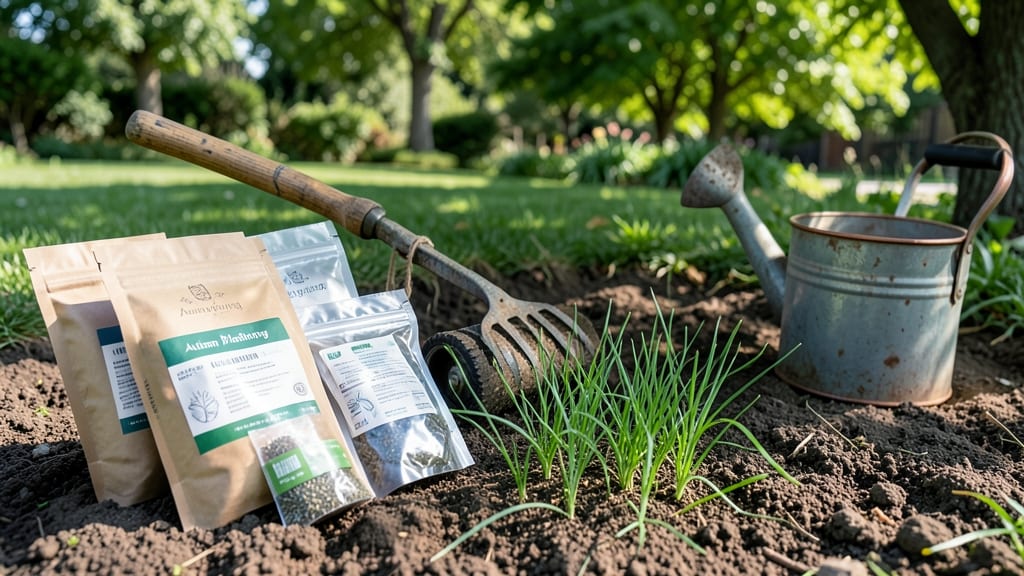
Autumn planting grass seed is how I finally got a lawn that survives winter without brown patches. ✨ The cooler temps and steady rains create perfect conditions for seeds to germinate while weeds slow down—something I learned after three failed spring plantings.
The secret isn’t fancy equipment—just a rake, a light layer of compost, and the right seed blend for your climate. Most people overwater or plant too late, but timing it right (4-6 weeks before first frost) gives roots time to establish deep before winter sets in.
You’ll end up with a thick, green lawn next spring that outlasts summer heat and winter freezes. The grass grows strong enough to crowd out weeds naturally, saving you hours of pulling later. Works for temperate zones from the Deep South to the Pacific Northwest.
Here’s how to nail it every time—no more patchy, weak lawns that crumble under winter stress.
📚 In This Guide
- What you need
- Instructions
- Tips and common mistakes
- Wrapping up and next steps
What you need
- ● Grass seed: Choose a cool-season variety (e.g., Kentucky bluegrass, fescue, or ryegrass). Quantity: 4–8 lbs per 1,000 sq ft (check seed bag for exact coverage).
- ● Lawn soil tester kit: Ensures your soil’s pH (ideal: 6.0–7.0) and nutrient levels are optimal. Test before buying amendments!
- ● Compost or organic matter: ¼–½ inch layer to improve soil structure and fertility.
- ● Starter fertilizer: High in phosphorus (e.g., 10-20-10 ratio) to encourage root growth. Apply: ½ lb per 100 sq ft.
- ● Rake: A bow rake (for leveling) and a garden rake (for seed-to-soil contact).
- ○ Broadcast spreader: For even seed distribution (manual or drop-type). Optional: Hand spreader for small areas.
- ● Water source: Garden hose with adjustable nozzle (fine mist setting) or sprinkler.
- ○ Lightweight straw or peat moss: ¼ inch layer to protect seeds from birds and erosion. Optional: Erosion control blanket for slopes.
- ● Best time to plant: Late summer to early fall (4–6 weeks before first frost). Aim for 50–70°F daytime temps.
- ● Avoid: Planting when frost is forecasted within 48 hours.
- ● Soil temp: Ideal for germination: 60–75°F (use a soil thermometer to check).
- ● Clear debris: Remove leaves, rocks, and weeds before seeding.
- ● Loosen soil: Lightly aerate compacted areas with a core aerator (rent or borrow one).
- ● Mow low: Cut existing grass to 1–1.5 inches if overseeding.
Step-by-Step instructions for planting grass seed in autumn
Here's how to get your lawn established before winter—no spring surprises.
🌱 Step 1: Prepare the Soil Before Planting
Start by mowing your existing grass as short as possible—about 1 inch high—to create an even surface. This helps new seeds make direct contact with the soil. Rake up any clippings and debris, then use a garden rake to loosen the top ¼ inch of soil where seeds will go. You want the surface to feel slightly rough, like sandpaper, so seeds can nestle into tiny crevices.
For bare spots or new areas, remove all existing vegetation first. Scratch the soil lightly with a rake or a broadfork to aerate without turning over the entire layer. The goal is to create a seed bed that's firm but not compacted—you should be able to push your finger into the soil about ½ inch deep without resistance.
💧 Step 2: Spread Seed Evenly and Lightly
Use a broadcast spreader for large areas or a simple hand spreader for smaller sections. Walk in opposite directions to ensure even coverage—think of it like snowfall, not a single heavy dump. For most grass types, aim for about ½ pound of seed per 100 square feet. If you're overseeding an existing lawn, you can use slightly less (⅓ pound per 100 sq ft) since some seeds will land on bare soil.
Lightly rake the area again after spreading to press seeds into the soil. This prevents them from blowing away and ensures good seed-to-soil contact. You'll see individual seeds scattered—don't worry, they won't all sprout at once. The key is consistency, not perfection.
☀️ Step 3: Water Gently and Frequently
Water immediately after planting, using a gentle sprinkler that delivers a fine mist. Keep the soil surface damp but never soggy—you're aiming for ¼ inch of water daily for the first 2 weeks. The top inch should feel moist to the touch, like a wrung-out sponge. Water in the morning so the lawn has all day to dry slightly before evening.
After 2 weeks, when you see 50% germination, reduce watering to ½ inch twice weekly. The grass will start looking patchy at first—that's normal. Once you have 75% coverage, you can return to normal watering patterns. The goal is to encourage deep root growth before winter sets in.
✂️ Step 4: Protect New Growth Before Frost
When nighttime temperatures drop below 40°F but stay above freezing, apply a thin layer of straw mulch (¼ inch thick) over newly seeded areas. This insulates seeds and young shoots from temperature swings. Avoid thick mulch—it can smother emerging grass. In areas with heavy snow, a light dusting of snow actually helps insulate the soil.
Don't mow until new grass reaches 3-4 inches tall, which usually happens in spring. When you do mow, set your blade to 3 inches high and never remove more than ⅓ of the blade height at a time. This prevents scalping and gives roots time to establish.
Tips & tricks for planting grass seed in autumn
Real talk: Autumn planting is your golden ticket to a lush lawn—if you nail these key details.
Soil Prep Secret: In Step 1, don't just loosen the top ¼ inch of soil—think of it like creating a cozy nest for your seeds. Use a stiff-bristled rake to create tiny grooves where seeds can settle. For bare spots, a little extra effort here pays off big time. After loosening, do the "finger test": push your finger in about ½ inch deep—it should go in easily but not sink like butter. This balance prevents compaction while keeping seeds snug against the soil.
Seed Spreading Technique: When you're spreading that ½ pound of seed per 100 square feet in Step 2, walk in a crisscross pattern like you're painting a wall. This ensures you don't miss spots or double up. For overseeding, I like to divide the ⅓ pound per 100 sq ft into two passes—first in one direction, then perpendicular. The second light rake after spreading isn't just for pressing seeds in; it also breaks up any clumps that might have formed during spreading.
Watering Wisdom: That ¼ inch of water daily in the first two weeks is non-negotiable, but timing matters just as much. Set a timer for morning watering—right after sunrise works best. You want the lawn to dry slightly before evening to prevent fungal issues. Pro move: Use a rain gauge or measure your sprinkler output. Most home sprinklers deliver about ½ inch per hour, so adjust your time accordingly. If you're using a hose with a sprinkler attachment, count how many minutes it takes to deliver ¼ inch of water.
Frost Protection Hack: When nighttime temps drop below 40°F, that straw mulch isn't just decoration. Spread it evenly at ¼ inch thick—thicker layers can actually suffocate emerging shoots. For extra insulation in snowy areas, let that light snowfall stay put. It acts like a natural blanket, protecting seeds from temperature swings. And here's a little-known trick: If you have leaf litter, mix it with straw for even better insulation. Just make sure it's not too thick—you should still be able to see the soil through the layer.
Pro Tips for Planting Grass Seed In Autumn
- Real talk: Autumn planting is your golden ticket to a lush lawn—if you nail these key details.
- Soil Prep Secret: In Step 1, don't just loosen the top ¼ inch of soil—think of it like creating a cozy nest for your seeds.
- Seed Spreading Technique: When you're spreading that ½ pound of seed per 100 square feet in Step 2, walk in a crisscross pattern like you're painting a wall.
Frequently asked questions
Got questions about planting grass seed in autumn? You’re not alone! Here are some of the most common concerns—plus clear, actionable answers to help you prep your lawn for winter success.
Why is autumn the best time to plant grass seed?
Autumn’s perfect combo of cooler temps and consistent moisture gives grass seed the ideal conditions to germinate and establish strong roots before winter. Fewer weeds, less stress on the grass, and a head start in spring? That’s the magic of fall planting!
How soon after planting will I see grass grow?
Most cool-season grasses (like fescue or ryegrass) sprout in 7–21 days, depending on soil temp and moisture. Warm-season grasses (like Bermuda) planted in late autumn may take longer—sometimes up to 30 days. Patience pays off with deeper roots!
Do I need to water daily after planting?
Yes! Keep soil consistently moist (not soggy) for the first 2–3 weeks. Water lightly 2x daily (morning/evening) to encourage germination. Once sprouts appear, taper to 1 inch per week. A sprinkler with a gentle mist setting works best.
What if birds or squirrels eat my grass seed?
Use seed starter fertilizer (with a bird repellent like corn gluten) or cover seed with a thin layer of straw or peat moss. For stubborn critters, try wire mesh or a lightweight landscape fabric—just remove it once grass reaches 3–4 inches tall.
Can I still plant grass seed if frost is in the forecast?
Hold off if hard frost (28°F/-2°C) is expected within 48 hours. Seed needs 50–70°F soil temps to germinate. Check your local freeze dates and plant 4–6 weeks before first frost for best results. If seeds are already down, mulch lightly to protect them.
What’s the difference between overseeding and full lawn seeding?
Overseeding
means spreading seed over an existing lawn to fill thin spots or improve density. Full seeding starts from scratch on bare soil. For overseeding, mow short (1–1.5 inches), rake debris, and use half the seed rate of a full planting.
Wrapping up and next steps
Autumn is the perfect time to plant grass seed—cooler temps, fewer pests, and ideal moisture set the stage for a lush, resilient lawn by spring. 🌱 By following the right steps—choosing the best seed, prepping your soil, and maintaining consistency—you’ll give your grass a head start against winter’s challenges.
Now that you’re equipped with the know-how, there’s only one thing left to do: roll up your sleeves and get planting! Grab your tools, pick a crisp autumn day, and watch your lawn transform into the envy of the neighborhood.