
Companion Plants
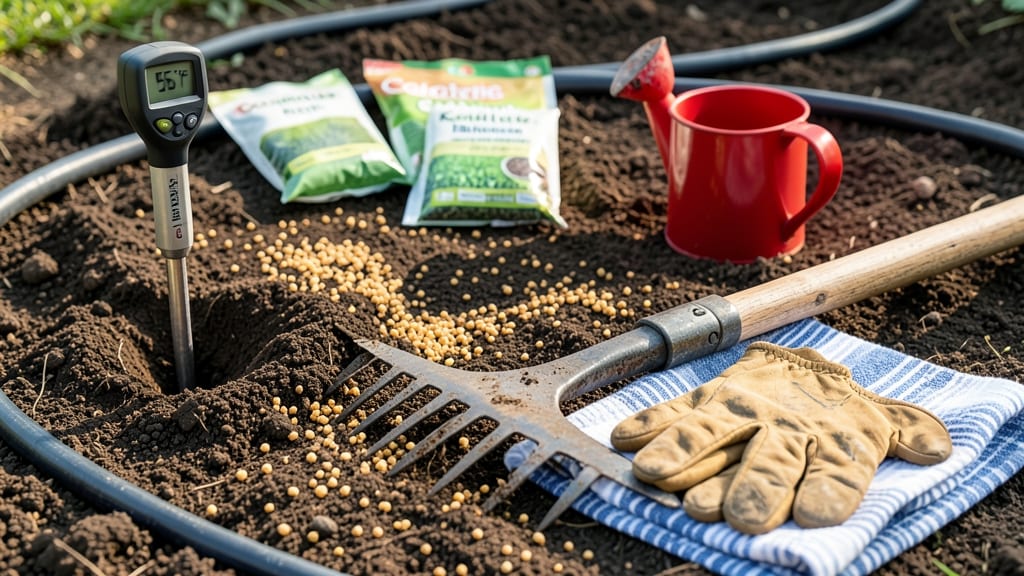
Planting grass seed in Colorado at the right time means the difference between a lush lawn and a patchy, struggling yard that never quite takes hold.
Colorado’s unpredictable weather can make timing your grass seed planting tricky—but getting it right means lush, resilient lawns that outlast the Rocky Mountain winters.
Most regions can plant in early spring (March-April) or early fall (September-October), when soil temperatures hit 50°F+ and frost risks fade. But high-altitude areas like the Front Range have tighter windows, and skipping the right timing can leave you with weak germination or even total failure.
Below, I break down the exact frost-free windows for Colorado’s USDA Zones 4-7, soil temperature thresholds, and how to adjust for microclimates—so you can plant with confidence and avoid the common mistakes that waste seed and effort.
Colorado grass planting calendar by hardiness Zone (5-8)
Colorado’s diverse elevations create dramatic differences in planting windows—what works in Denver (Zone 5) fails in Colorado Springs (Zone 6), and mountain areas (Zone 4) demand even earlier prep.
The key is planting when soil hits 50°F+ and staying ahead of late spring frosts that can wipe out tender seedlings.
Most gardeners focus on March-April (spring) or September-October (fall) windows, but high-altitude zones like Zone 5a (e.g., Steamboat Springs) need to start seed indoors in February or wait until May for outdoor planting.
Below, I’ve mapped out the exact frost-free periods for each zone, including microclimate adjustments for Front Range vs. Western Slope areas.
Use this calendar to pick your 30-45 day frost-free window—the ideal period for grass seed to germinate before summer heat stress or winter dormancy sets in. For example, Zone 7b (Albuquerque border) can plant until late October, while Zone 5a must finish by mid-September.
Notice how Zone 5a (high-altitude) has a shorter frost-free window than Zone 7b (southern Colorado), which means you’ll need to plant earlier in spring or later in fall to avoid frost damage.
For example, Tall Fescue (a top Colorado grass) germinates in 7-14 days at 55°F—so timing is critical to avoid late frosts.
If you’re in Zone 6a or 7a, you have more flexibility to plant in early spring (March) or early fall (September), but always check a 7-day forecast for frost warnings.
I recommend using the National Weather Service’s frost prediction maps for your specific county—these are more accurate than general zone guidelines.
For high-altitude areas above 8,000 feet, add 2-3 weeks to the frost dates listed. For instance, if your last frost is typically May 1, assume it could be May 15 due to mountain microclimates.
This delay is why Buffalo Grass (drought-tolerant) is often recommended for these zones—it germinates faster than cool-season grasses.
Pro tip: Use a soil thermometer to confirm temperatures before planting. Seed won’t germinate below 50°F, even if the air feels warm.
In Zone 5b, I’ve seen gardeners rush planting in late April only to have a May frost kill their seedlings—always wait for consistent 50°F+ soil temps for at least 5
Signs your Colorado lawn is ready for grass seed (beyond dates)
Checking the calendar for March or September is a good start, but Colorado’s microclimates demand more precision. The soil temperature is your first clue—grass seed needs consistent 50°F+ soil to germinate properly. Stick a soil thermometer 2-3 inches deep; if it hovers around 55-65°F, your lawn is ready.
In the Front Range, this typically happens by mid-April, while mountain regions may wait until late May.
Moisture levels are just as critical. Before planting, perform the sponge test: squeeze a handful of soil—if it crumbles but holds shape, it’s ideal. If it’s bone-dry, water deeply 24 hours before seeding to mimic spring rains.
Overly soggy soil? Wait until it dries out to avoid seed rot and fungal issues.
Don’t ignore frost risks, especially in high-altitude areas. Even if daytime temps feel warm, overnight frosts can kill new seedlings.
Check the National Weather Service for your specific zone—areas like Fort Collins (Zone 5a) often see late frosts into May 10th, while Colorado Springs (Zone 6a) may be safe by April 20th.
⚠️ Warning: Common Mistakes That Waste Seed
Planting too early (before soil warms) or too late (after summer heat) leads to poor germination and weed competition. In Colorado, late August plantings often fail because drought stress sets in before roots establish. Always verify 7-day forecasts for consistent rain or plan for drip irrigation.
Observe your lawn’s existing grass health—if weeds like crabgrass or dandelions are thriving, your soil may be too warm or compacted. Aerate 2 weeks before seeding to improve seed-to-soil contact.
For bare spots, focus on areas with good sunlight exposure (6+ hours) and well-draining soil—shady or low-lying patches may need specialized seed blends.
Listen to your lawn’s natural cues: if you see wildflowers blooming (like Indian paintbrush) or hear hummingbirds returning, it’s a sign spring is truly here. In Denver’s urban heat islands, soil warms 1-2 weeks earlier than rural areas, so adjust your timing accordingly.
For fall plantings, aim for 6-8 weeks before first frost—typically early September in most zones.
Finally, prepare for post-planting care. New grass needs daily watering for the first 2-3 weeks to keep soil consistently moist (like a damp sponge). Use a light sprinkler to avoid washing away seed.
In dry years, consider a mulch layer (straw, not hay) to retain moisture and protect seedlings from wind and hail.