
Plants
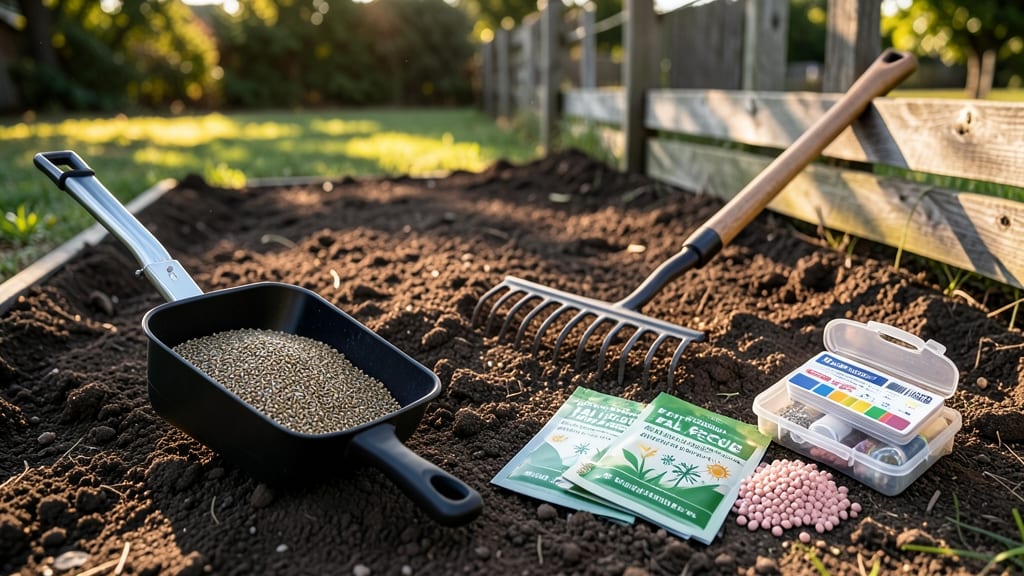
You can plant grass seed in Michigan once soil temperatures consistently reach 50°F and the last frost date has passed — typically mid-April in most regions, but earlier in southern Michigan.
Michigan’s unpredictable spring weather can leave even experienced gardeners guessing about the perfect time to plant grass seed. Getting it wrong risks frost damage or wasted effort, but timing your planting just right means lush, green lawns by summer, not patchy disappointment.
In USDA Zones 5b-6b, the ideal planting window stretches from early spring (March-April) to early fall (September-October). Northern Michigan’s cooler climate may delay planting until late April, while southern areas can start as early as March.
Below, I’ll break down the frost-free timeline by zone, soil readiness tips, and the best grass seed types for Michigan’s climate — so you can transform your lawn from bare soil to vibrant green.
Michigan’s grass planting timeline by hardiness Zone (with frost dates)
Michigan’s diverse hardiness zones—ranging from 4b in the Upper Peninsula to 6a in southern regions—create unique planting windows for grass seed. Understanding these zones helps you avoid frost damage while maximizing germination success.
In Zone 4b, for example, you’ll need to plant earlier than in Zone 6a, where warmer springs allow for later sowing.
Most Michigan gardeners focus on cool-season grasses like Kentucky bluegrass and tall fescue, which thrive when planted in early spring or fall. Warm-season grasses like Bermuda grass are less common but can be planted in late spring once soil temperatures consistently reach 65°F.
The key is aligning your planting with soil temperature and frost dates—not just calendar months.
Below is a zone-by-zone breakdown of Michigan’s grass planting timeline, including average last frost dates, ideal soil temperatures, and regional variations. Use this as your guide to time your planting for optimal germination and lawn establishment.
Pro Tip: Always test your soil temperature with a soil thermometer—grass seed typically needs soil temps between 50°F and 65°F for best results. In cooler zones like 4b, aim for 50°F, while Zone 6a can tolerate slightly warmer soil.
| Zone | Last Frost Date | Ideal Planting Window | Soil Temp Threshold | Regional Notes |
|---|---|---|---|---|
| 4b (Upper Peninsula) | Mid-May | Late April–Early May or September | 50°F (10°C) | Shorter growing season; prioritize early spring planting. |
| 5a (Northern Lower) | Early-Mid May | Early April–Early May or Late August–September | 50–55°F (10–13°C) | Cooler springs; fall planting often more reliable. |
| 5b (Central Michigan) | Late April–Early May | Mid-April–Early May or September | 55°F (13°C) | Balanced climate; both spring and fall work well. |
| 6a (Southern Michigan) | Mid-April | Early April–Early May or Late August–September | 55–60°F (13–16°C) | Warmer springs; can plant slightly later than northern zones. |
If you’re in the Upper Peninsula (Zone 4b), focus on early spring planting (late April) to beat the late frost risks. In contrast, southern Michigan (Zone 6a) offers more flexibility, allowing for late April or early May sowing.
Always monitor weather forecasts for unexpected cold snaps, especially in transitional months like March and October.
For fall planting, aim to sow grass seed 4–6 weeks before your first frost date. This gives roots time to establish before winter sets in. In Zone 4b, that means planting by mid-September, while Zone 6a can extend planting into early October.
Fall-planted grass often outperforms spring-sown lawns because cooler temps reduce weed competition and water stress.
Regional microclimates also play a role. Areas near the Great Lakes may experience delayed frost dates due to lake-effect cooling, while inland zones like southern Michigan can warm up faster. Use local cooperative extension office data or weather stations to fine-tune your planting schedule.
For example, Traverse City (Zone 5b) might have a 1–2 week later frost date than Detroit (Zone 6a).
One common mistake is planting too early when soil is still frozen or too late when summer heat arrives. Grass seed needs consistent moisture and moderate temperatures to germinate. If you plant in June or July, germination slows, and
Signs your Michigan soil is ready for grass seed (beyond calendar dates)
Counting down the days until Michigan’s average last frost date (usually mid-April) is helpful, but your soil might be ready weeks earlier—or later—depending on microclimates. Instead of guessing, check these field indicators to confirm your lawn is primed for grass seed.
These cues account for Michigan’s unpredictable spring and ensure your new grass gets the best start possible.
First, focus on soil temperature, which is the most critical factor. Grass seeds need soil that’s consistently 50°F or warmer for at least a week. Use a soil thermometer to test 2-3 inches deep—this mimics the depth where seeds will germinate.
If temperatures fluctuate below this threshold at night, wait a few more days. Cold soil can stunt root growth and leave your lawn vulnerable to frost damage.
Next, observe moisture levels. The soil should feel like a well-wrung sponge: damp but not soggy. Press your finger into the ground—if it holds together but crumbles easily, it’s ideal.
Michigan’s spring often brings unpredictable rainfall, so if your soil feels dry or muddy, hold off until conditions stabilize. Overly wet soil can suffocate seeds, while dry soil prevents proper germination.
🌱
⚠️ Warning: Don’t Rely on Calendar Dates Alone!
Michigan’s last frost dates vary by 1-3 weeks across regions—from early April in southern Michigan to late May in the Upper Peninsula. Planting too early risks frost damage to tender seedlings, while waiting too long may expose seeds to summer heat stress. Always verify with soil temperature and local bloom cues before seeding.
Nature often gives you a free heads-up about planting time. Watch for early spring bloomers like crocuses or daffodils—these signal that soil temperatures are rising and frost risks are decreasing. In Michigan, if you spot dandelions in bloom, it’s usually safe to plant grass seed in most areas.
Another trick: observe your neighbor’s lawn. If their existing grass is actively growing (not just green from melting snow), your soil is likely ready too.
For late springs or northern Michigan, consider adjusting your timeline. If frost threatens after planting, cover seeds with a lightweight row cover or straw until temperatures stabilize. Conversely, if summer arrives early (like in 2023’s heatwave), opt for fall planting (September-October) to avoid drought stress.
Fall seeds benefit from cooler temps and consistent moisture, giving them time to establish roots before winter.
Finally, don’t overlook soil preparation. Loosen the top 2-3 inches of soil with a rake or aerator to improve seed-to-soil contact. Remove debris and level the area—seeds need direct contact with moist, fertile soil to germinate successfully.
If your soil feels compacted or lacks organic matter, mix in compost or peat moss to create an ideal seedbed.
By combining these practical indicators with your local frost history, you’ll avoid the guesswork and give your Michigan lawn the best possible start.
Whether you’re seeding in southern Michigan’s Zone 6a or the Upper Peninsula’s Zone 4b, these signs will help you plant at the perfect moment—no calendar needed.
☀️