
Companion Plants
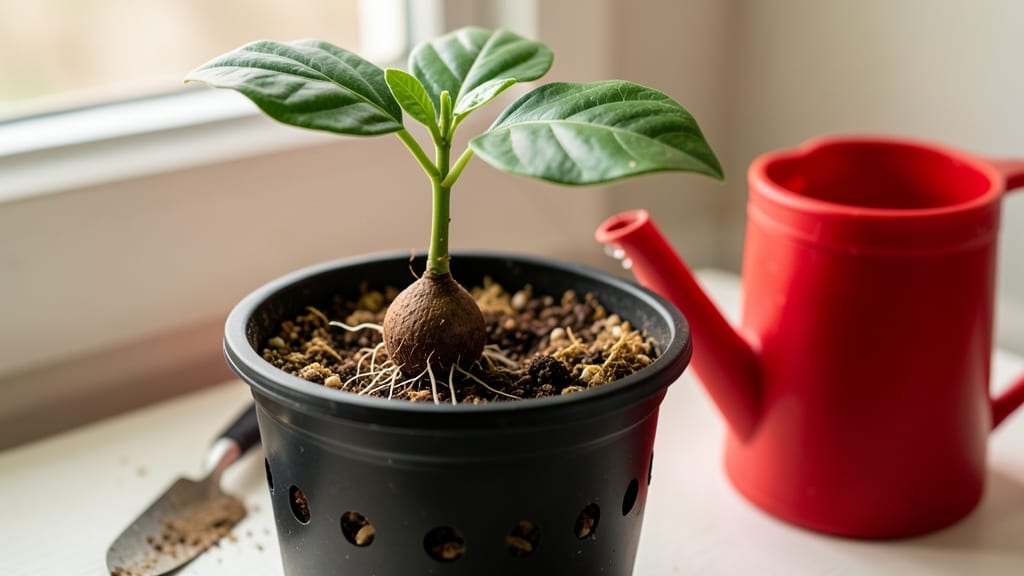
Planting your avocado seed in dirt at the right time is the key to fast sprouts and a healthy start for your 🥑 Avocado Tree—and getting it wrong can mean weeks of waiting or worse.
If you’ve ever watched a seedling wilt under a late frost or rot from too-early planting, you know timing matters more than most gardeners realize. The secret? Waiting until soil temperatures hit 65°F or warmer, which triggers root growth and keeps your seed from sitting in cold, damp soil.
In Zone 6, that means aiming for after April 15, when the last frost has passed and the ground has warmed enough for roots to thrive. For frost-free zones like 9b or 10, you can plant year-round—but even there, summer heat has its own risks.
Below, I’ll walk you through the exact steps to transition your seed from water germination to soil, plus how to adjust for your climate so your 🥑 Avocado Tree gets off to a fast and healthy start.
The perfect temperature range for planting avocado seeds in soil
Avocado seeds thrive when planted in soil temperatures between 65°F and 85°F. This warmth window triggers faster germination and stronger root development. If your soil is cooler, your seed may rot; if too hot, it can dry out before sprouting.
Understanding these temperature thresholds is key to success, especially when transitioning from indoor germination to outdoor planting.
Most gardeners start by germinating avocado seeds in water indoors, where temperatures are easier to control. Once the seedling develops 2-3 inches of roots and a small stem, it’s ready for soil—but only when outdoor temperatures consistently stay above 60°F at night.
This typically aligns with late spring in most regions, but timing varies by USDA hardiness zone.
For example, in Zone 9 or 10 (frost-free climates), you can plant avocado seeds directly into soil year-round. In Zone 6 or 7, wait until after the last frost date—usually mid-April to early May—when soil temperatures reliably reach 65°F or warmer.
Cold soil slows germination and stresses young seedlings.
Here’s how to test your soil temperature before planting:
- Use a soil thermometer (insert 2 inches deep).
- Check temperatures for 3 consecutive days at midday.
- Aim for 70-80°F for optimal growth.
If your soil is too cold, use black plastic mulch or a mini greenhouse to warm it faster. In hot climates, provide afternoon shade to prevent soil overheating, which can stunt root growth. These adjustments ensure your avocado seedling gets the perfect warmth-triggered start.
| Climate Zone | Ideal Planting Window | Soil Temp Range (°F) | Regional Adjustments |
|---|---|---|---|
| Zones 9-10 (Frost-Free) | Year-round (best: March-Sept) | 65-85°F (constant) | Use shade cloth in summer to prevent overheating |
| Zones 7-8 (Mild Winters) | April-June (after frost) | 70-80°F (day), 60°F+ (night) | Hard off seedlings gradually if starting indoors |
| Zones 5-6 (Cold Winters) | May-July (soil >65°F) | 75-85°F (use mulch to retain heat) | Grow in containers; move indoors in winter |
| Universal Tip | Always | Test soil temp | before planting |
In cold climates (Zones 5-6), I recommend starting seeds indoors in late winter and transplanting after the last frost. Use a heat mat if your soil stays below 60°F for extended periods. The goal is to mimic the tropical conditions avocado seeds need to germinate efficiently.
For warm climates (Zones 9-10), timing is less critical, but avoid planting during peak summer heat (above 90°F). Instead, opt for spring or early fall when temperatures are stable. This reduces stress on young seedlings and encourages steady root development.
Pro tip: Monitor your seedling’s leaf color after planting. Dark green leaves mean it’s thriving; yellowing indicates overwatering or cold stress. Adjust care immediately if you notice these signs. A healthy seedling will grow 1-2 inches per month once established in warm soil.
If you’re unsure about your local soil temperature, check your USDA Plant Hardiness Zone and use a weather app to track daily highs and lows. Most avocado seeds germinate within 2-8 weeks when planted in ideal conditions—but only if you’ve nailed the temperature timing.
Step-by-Step warmth-triggered planting process for avocado seeds
Now that your avocado seed has sprouted roots in water, the next critical step is planting it in well-draining soil—but only when soil temperatures reach 65°F or warmer.
This warmth triggers root growth and prevents rot. For Zone 6 gardeners, aim for after April 15, while frost-free zones (like 9b or 10) can plant year-round.
Watch for 2-3 inches of new root growth in water before planting—this signals readiness. If your seedling has yellowing leaves or stunted growth, it’s not ready yet. Cold soil slows root development, so patience here pays off with a healthier start.
How to Plant Your Avocado Seed in Soil
- 🌱 Step 1: Prepare a pot with well-draining soil mix (50% potting soil + 50% perlite). Use a 4-6 inch pot with drainage holes.
- 🌡️ Step 2: Test soil temp—bury a soil thermometer 2 inches deep. Plant only when it reads 65°F+ for 3+ days.
- 🪴 Step 3: Plant roots-first in soil, leaving 1/3 of the seed above soil. Gently pat soil around roots to secure.
- 💧 Step 4: Water lightly until soil is moist but not soggy. Place in bright indirect light (avoid harsh sun).
- ☀️ Step 5: Harden off over 7-10 days by moving outdoors for 1-2 hours daily, increasing time gradually.
- 🌳 Step 6: Transplant outdoors only after last frost date and soil stays 65°F+ consistently.
After planting, keep your avocado seedling in bright, indirect light for 2-3 weeks while it adjusts. If you’re in a hot climate, avoid direct sun until leaves harden—this prevents leaf scorch. Water when the top inch of soil feels dry, but never let it sit in water.
For spring planting (ideal in Zone 6), aim for April-May when soil warms and days lengthen. Summer planting is possible in frost-free zones, but mulch heavily to retain moisture. Watch for new leaf growth—this confirms roots are establishing in soil.
If you miss the spring window, don’t panic. Container growing lets you plant anytime, but move pots indoors during winter. The key is consistent warmth—whether outdoors or under grow lights. With patience and the right timing, your avocado seedling will thrive.