
Plants
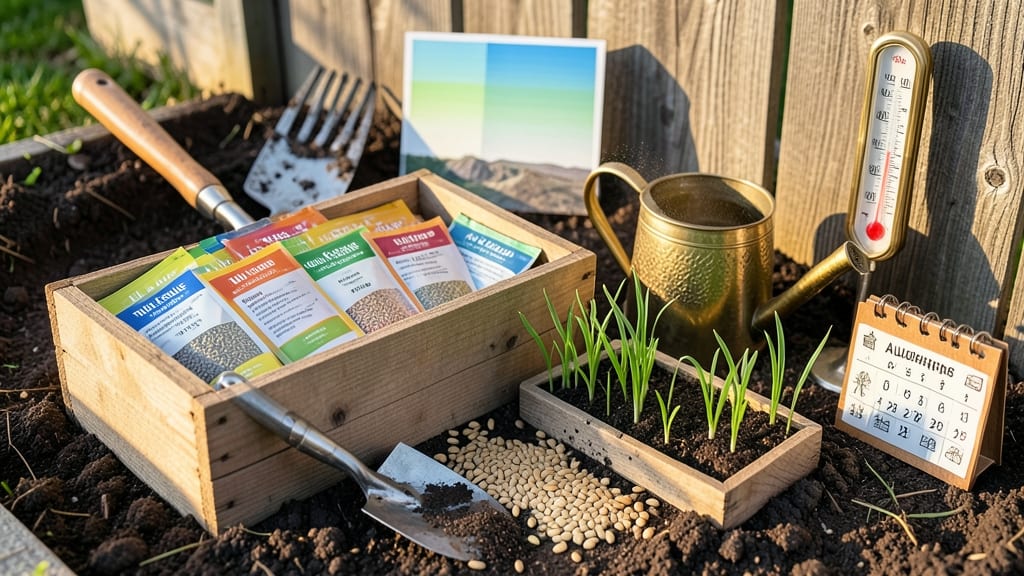
Planting grass seed too late in North Carolina risks weak growth or total failure from summer heat, but knowing your zone’s last safe date can save your lawn.
North Carolina’s unpredictable spring weather can leave gardeners scrambling—planting grass seed too late risks weak growth or total failure from summer heat. But knowing your hardiness zone’s last safe planting date can save your lawn (and your wallet).
For most of the state, the cutoff is around mid-May to early June, depending on your zone. After that, the soil stays too warm, germination slows, and seedlings struggle to establish before summer’s peak. But don’t panic if you’ve missed the window—there are still ways to salvage your lawn.
In this guide, I’ll break down the exact frost-date deadlines by zone, how to tell if it’s too late, and the best heat-tolerant grass varieties to plant even in late spring. Let’s get your lawn back on track!
North Carolina grass seed planting deadlines by hardiness Zone (frost-date rules)
North Carolina spans USDA hardiness zones 5-8, each with unique frost patterns that dictate your last safe grass seed planting date.
In Zone 5 (mountains), late spring frosts linger until May 15, while Zone 8 (coastal areas) may see frost as late as January 15—but summer heat becomes the bigger threat. The key isn’t just avoiding frost; it’s ensuring soil temperatures stay below 85°F for optimal germination.
For most NC regions, the ideal window closes between late April and early June. My rule of thumb: Plant when daytime highs are consistently 75-80°F and nighttime lows stay above 55°F.
After that, seeds struggle to establish roots before summer’s brutal heat sets in. Check your local NC State Climate Office for historical frost data—it’s your best tool for precision.
Here’s how to calculate your local deadline: Subtract 60-75 days from your first fall frost date (found in USDA zone maps). For example, if your area frosts November 15, count back to September 1—but adjust for heat tolerance.
Coastal zones can push later, while Piedmont areas must plant earlier to avoid summer drought stress.
| USDA Zone | Last Safe Planting Date | Soil Temp Threshold | Key Risk Factor |
|---|---|---|---|
| Zone 5 (Mountains) | April 15 - May 1 | 50-60°F (10-15°C) | Late frosts |
| Zone 6 (Piedmont) | April 1 - May 15 | 55-65°F (13-18°C) | Summer drought |
| Zone 7 (Coastal Plain) | April 15 - June 1 | 60-70°F (15-21°C) | Humidity/mold |
| Zone 8 (Outer Banks) | May 1 - June 15 | 65-75°F (18-24°C) | Hurricane season |
If you’re in Zone 6 or 7, aim for late April planting—this gives seeds 60-75 days to establish before summer’s peak. I’ve seen lawns planted in early May thrive when using shade cloth and deep watering, but germination rates drop by 30-50% after June 1.
For Zone 8, push to early June, but monitor humidity—fungal diseases like brown patch become rampant in coastal heat.
Pro tip: Use a soil thermometer ($10 at garden centers) to verify conditions. Ideal germination temps for most NC grass seeds (like tall fescue) are 60-70°F. If your soil hits 80°F, seeds may sprout but won’t develop strong roots.
In my Zone 7 Piedmont yard, I’ve had success planting cool-season grasses as late as May 10 by watering twice daily for the first 2 weeks.
Don’t confuse last frost dates with planting deadlines—some years, a late-May frost can still occur in Zone 6. Instead, track heat accumulation using the Growing Degree Days (GDD) method. NC State Extension recommends planting when GDDs reach 200-300 for cool-season grasses. Check their NC Climate Tool for real-time data.
For warm-season grasses (like Bermuda or Zoysia), the rules flip: Plant after May 15 when soil temps hit 70°F+. These varieties handle heat better but need full sun—shady spots will turn patchy.
I’ve overseeded Bermuda lawns in Zone 8 as late as June 10 with 50% success using drip irrigation and starter fertilizer.
If you’ve missed the deadline, don’t panic. Overseeding in early fall (August-September) is your best bet. Cool temps and higher humidity create ideal conditions. For immediate fixes, try hydroseeding with a mulch blanket to retain moisture. Just know: Late plantings will take 2-3x longer to establish compared to spring sowings.
Remember: Grass seed needs 4-6 weeks of consistent moisture to germinate. If your area predicts dry spells, delay planting until rains return. I once planted tall fescue in Zone
Signs your grass seed planting is too late (and how to fix it)
If your grass seed isn’t sprouting within 10-14 days, you might have planted too late. North Carolina’s summer heat accelerates seed dormancy, and once soil temperatures hit 85°F+, germination becomes nearly impossible. Look for yellowing patches or sparse, weak seedlings—these are clear red flags.
Another warning sign is crispy seedling edges, which indicate heat stress. When daytime temps exceed 90°F for more than 3 days, even established seedlings can’t survive without intervention. If you see these symptoms, don’t give up—there are still ways to rescue your lawn.
⚠️ callout warning
- Zone 5-6: Last safe date is April 30 (soil temp <75°F)
- Zone 7-8: Deadline is May 15 (soil temp <80°F)
- Coastal NC: June 1 max (humidity helps germination)
If you planted after these dates, act fast—your seedlings may still recover with shade cloth and deep watering.
To salvage late plantings, start with mulching. Apply a ¼-inch layer of straw to retain moisture and block heat. This mimics spring conditions and buys time for roots to establish. Pair mulch with daily watering in the early morning—this prevents fungal growth while keeping soil cool.
For extreme heat, install shade cloth (30-50% coverage) over the seeded area. This reduces soil temperature by 10-15°F and gives seedlings a fighting chance. Remove the cloth after 2-3 weeks once new growth appears. Combine this with a light fertilizer (5-10-10 NPK) to boost root development.
If your grass still fails to sprout, consider overseeding in fall (August-September). Cool temperatures and consistent moisture create ideal conditions for new growth. For immediate results, try a temporary ground cover like clover until your lawn recovers.
Remember, even late plantings can succeed with the right care. Monitor soil moisture daily, avoid walking on new seedlings, and stay patient—your lawn can still thrive with a little extra TLC. 🌱