
Plants
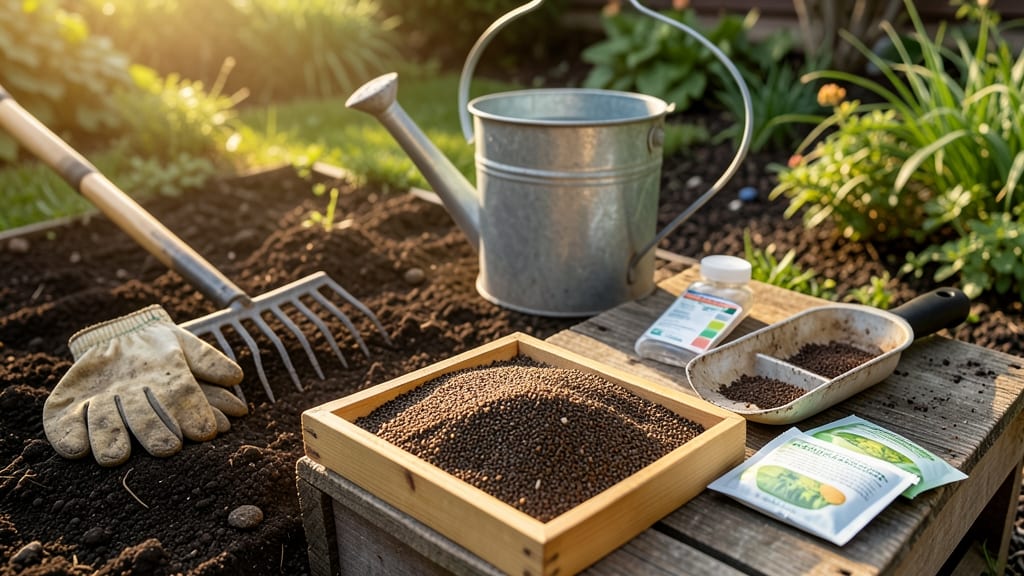
The best time to plant grass seed in Colorado is late August through early September or early April to mid-May, when temperatures are cool and moisture is reliable 🌱—a window that avoids both summer drought and winter dormancy.
Colorado’s unpredictable climate can turn a lush, green lawn into a patchy nightmare—but timing your grass seed planting perfectly ensures a thick, drought-resistant yard that survives everything from early frosts to late snowfall.
Cool-season grasses like Kentucky Bluegrass and Fescue thrive when planted in these ideal windows, giving roots time to establish before winter or summer stress sets in. Whether you’re on the Front Range or the Western Slope, the key is matching your schedule to your local frost dates and elevation.
Below, I break down the exact months for your region, soil prep tricks to lock in moisture, and how often to water for a lawn that stays green even when Colorado’s weather turns against it.
Optimal planting windows in Colorado: cool season grasses explained
Colorado’s cool season grasses thrive when planted during ideal temperature windows of 35-55°F, avoiding both summer heat and winter dormancy. Fall planting (late August to early September) is my top recommendation because cooler temps reduce stress, while spring planting (early April to mid-May) works for high-altitude areas where frost lingers later.
The key? Timing your seed 4-6 weeks before the first frost for maximum root establishment.
Your altitude and region in Colorado drastically alter planting windows. The Front Range (Denver, Boulder) typically has a first frost around October 15, while the Western Slope (Grand Junction, Durango) can see frost as early as September 30.
Higher elevations (8,000+ ft) may push planting back by 2-3 weeks compared to lower desert regions like the Southeastern Plains.
Here’s the golden rule: Never plant when daytime temps exceed 85°F or during drought conditions. Colorado’s unpredictable monsoons can also disrupt germination, so I always check weekly rainfall forecasts before seeding. Cool, consistent moisture is critical for seed-to-soil contact and root development.
For Front Range gardeners, I recommend starting seeds in late August to take advantage of consistent rainfall and cooler nights. By September, daytime temps typically drop below 75°F, creating perfect conditions for germination.
If you miss fall, spring planting should begin by April 15—any later risks weed competition and drought stress as summer approaches.
The Western Slope presents unique challenges due to its arid climate and earlier frosts.
Here, I prioritize fall planting in August to capitalize on monsoon moisture before September’s frost. Spring planting must happen by late April to avoid the 100°F+ heat that arrives by June. Drip irrigation is a must for Western Slope lawns to prevent seed desiccation.
My pro tip for Colorado gardeners: Test your soil temperature before planting using a soil thermometer (available at garden centers). Ideal temps for cool season grasses hover around 55-65°F.
If temps are too high, wait 1-2 weeks or use shade cloth to protect newly seeded areas. Overwatering can also wash seeds away—aim for light, frequent misting until germination.
Don’t overlook microclimates in your yard. A south-facing slope may warm up faster than a north-facing area, creating a 2-3 week planting window difference within the same neighborhood. Observe your yard’s sun exposure patterns for 3-5 days before seeding to identify the best microclimate
How to prepare your Colorado lawn for grass seed success
Preparing your Colorado lawn for grass seed is all about soil moisture retention and weed suppression—two critical factors that make or break seed germination in our dry climate.
Since Colorado’s USDA Zones 4-7 experience rapid evaporation, I’ve learned the hard way that skipping soil prep leads to patchy, weak grass that struggles to survive summer heat.
Your first step should be testing soil pH (aim for 6.0-7.0) and aerating compacted soil 2-3 weeks before planting. This opens up air and water pathways that seeds desperately need to establish roots.
For most Colorado lawns, late August or early April is ideal because temperatures hover in the 50-65°F range, reducing stress on young seedlings.
⚠️ Critical Step-List for Colorado Grass Seed Success
- 1 Test Soil pH (4-6 weeks before planting) using a home kit or send a sample to Colorado State University Extension. Adjust with lime (raise pH) or sulfur (lower pH) if needed.
- 2 Aerate Compacted Soil using a core aerator (rent or borrow) to pull 3-4 inch plugs. Focus on high-traffic areas where soil is hardest. Do this 2-3 weeks before seeding to allow recovery.
- 3 Kill Weeds with Pre-Emergent (for crabgrass) or glyphosate (for broadleaf weeds). Apply 10-14 days before seeding to avoid harming new grass. For organic options, use corn gluten meal (also a natural fertilizer).
- 4 Spread Compost or Topsoil (¼ inch layer) to improve moisture retention. Mix in 1-2 cups of starter fertilizer per 100 sqft for an immediate nutrient boost. Rake lightly to create a fine, crumbly surface for seed contact.
- 5 Water Deeply Before Planting to saturate the soil 6-8 inches deep. This mimics spring rains and encourages seeds to germinate faster. Use a soaker hose or sprinklers for even coverage.
Once your soil is prepped, seed selection becomes critical. For Colorado’s Front Range (Zones 5-6), I recommend Kentucky Bluegrass for durability or Tall Fescue for drought resistance. On the Western Slope (Zones 4-5), Fine Fescue handles cooler temps better. Always oversow by 10-20% to account for uneven germination.
After planting, consistent moisture is your top priority. Water lightly 2x daily (morning and evening) for the first 7-10 days to keep soil evenly damp, not soggy. Once sprouts appear (7-14 days), switch to deep watering 2-3x weekly to encourage deep root growth.
A 1-inch layer of straw mulch helps retain moisture and shields seeds from wind erosion—a common issue in Colorado’s open spaces.
Pro tip: Mark your calendar for 6 weeks post-planting to apply a slow-release fertilizer (10-10-10 ratio). This timing avoids burning tender seedlings while giving roots the phosphorus boost they need to thicken.
By following these steps, your Colorado lawn will establish 30-50% faster than average, giving you that lush, green carpet you’ve been dreaming of.