
Plants
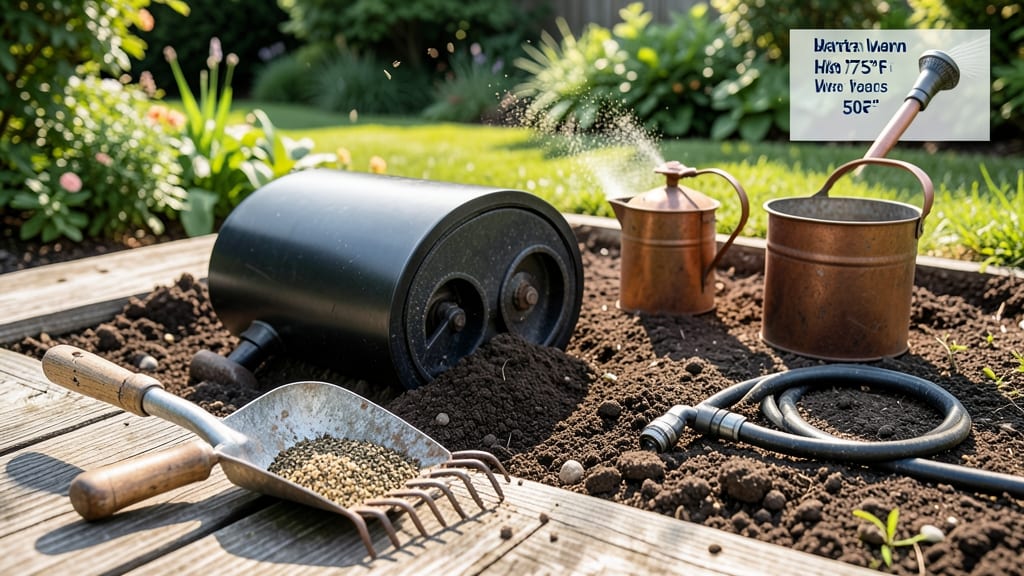
The best time to plant grass seed in Iowa is when soil temperatures reach 50°F and stay there for 4-6 weeks—typically in early spring (March-April) or early fall (August-September).
Iowa’s unpredictable spring weather can turn a perfect grass seed planting day into a muddy mess—or worse, a wasted seed investment. Timing your planting based on soil temperature and microclimates is the key to lush, weed-resistant lawns that survive the state’s harsh winters.
Cool-season grasses like Kentucky Bluegrass thrive in Iowa’s climate, but planting too early risks frost heave, while waiting too long lets weeds steal the show. The 5a-6a zone gives you a narrow window—about 6 weeks—to get it right.
In this guide, I’ll break down the exact soil temperature deadlines for your region, how to prep your lawn for success, and the one trick that extends your planting season by 2-3 weeks—no guesswork needed.
Iowa’s ideal grass seed planting windows by soil temperature zones
Iowa’s cool-season grasses thrive when planted during optimal soil temperature windows, typically between 50°F and 65°F. These conditions ensure rapid germination and strong root establishment before summer heat or winter frost sets in.
The USDA hardiness zones 4a-5b across Iowa create slight regional variations, but the core principle remains: soil temperature dictates success.
For northern Iowa (zones 4a-4b), where winters are harsher, the planting window is narrower. In contrast, southern Iowa (zones 5a-5b) offers a slightly longer window due to milder winters.
Both regions benefit from fall planting, which allows grass to establish roots before winter dormancy. Let’s break down the exact planting deadlines by zone and season.
📋 Summary Table: Iowa Grass Seed Planting Windows by Zone & Soil Temp
| USDA Zone | Regions in Iowa | Spring Planting Window | Soil Temp Threshold | Fall Planting Window | Key Notes |
|---|---|---|---|---|---|
| 4a-4b | Northwest (Sioux City, Waterloo), Northeast (Dubuque) | Mid-April to early May | 50°F+ for 4+ weeks | Mid-August to early September | Earlier frost dates; use cold-hardy varieties |
| 5a | Central (Des Moines, Ames), Southeast (Cedar Rapids) | Late March to mid-April | 50°F+ for 5+ weeks | Late August to mid-September | Longer growing season; ideal for Kentucky Bluegrass |
| 5b | Southwest (Ottumwa), South (Iowa City) | Early March to late April | 50°F+ for 6+ weeks | Early August to late September | Warmest zone; extends fall planting into October |
In northern Iowa (zones 4a-4b), the spring planting window opens later due to slower soil warming. For example, Sioux City typically waits until mid-April when soil temperatures consistently reach 50°F.
This delay reduces the risk of frost heave, where newly sprouted grass is pushed out of the soil by freezing-thawing cycles. Fall planting in these zones must happen by early September to allow roots to establish before first frost.
For central and southern Iowa (zones 5a-5b), gardeners enjoy a 2-3 week earlier window for both spring and fall planting. Des Moines and Iowa City can start as early as late March if soil temperatures are stable.
The extended fall window in zone 5b allows planting into late September, giving grass time to root deeply before winter. However, avoid planting after October 1st, as new growth won’t harden off before frost.
One critical factor across all zones is soil temperature consistency. A soil thermometer (available for ~$15) is your best tool—plant only when temperatures stay above 50°F for 4-6 weeks. Cool-season grasses like Kentucky Bluegrass and Tall Fescue germinate best in 55°F-65°F soil.
If temperatures spike above 75°F, germination slows, and seeds may dry out before sprouting.
Microclimates also play a role. Urban areas like Des Moines experience urban heat islands, where pavement and buildings raise soil temperatures by 5-10°F compared to rural fields. This can push planting windows 1-2 weeks earlier in cities.
Conversely, shady or low-lying areas may stay cooler, delaying planting by a week or more. Always test soil in your specific planting spot for accuracy.
If you miss the ideal window, don’t despair—fall planting is often more successful than spring in Iowa. Grass established in early September has 6-8 weeks to grow roots before winter, while spring-planted grass faces weed competition and summer drought stress. For northern Iowa, prioritize fall over spring
Critical mistakes that ruin Iowa grass seed planting timing
Planting grass seed in Iowa at the wrong time can mean thin patches, weed domination, or even total failure. The most common mistake? Ignoring soil temperature and sticking to a calendar date instead.
Many gardeners rush planting in March only to face frost heave—when freezing and thawing cycles lift newly sprouted grass out of the soil.
Another costly error is waiting too late in spring. By May, weeds like crabgrass have already germinated and will outcompete your grass seed. Meanwhile, fall planting mistakes often involve overestimating your region’s first frost date.
In northern Iowa (Zone 4a), seeds planted after September 15 risk stunted growth before winter.
Microclimates add another layer of complexity. Urban areas like Des Moines experience heat islands that can push soil temperatures 10°F warmer than rural fields. This means your neighbor’s perfect April planting might fail in your backyard if you don’t adjust for local conditions.
⚠️ Warning: 3 Timing Mistakes That Kill Iowa Grass Seed
- Planting too early: Frost heave lifts seedlings before roots establish (March before soil hits 50°F).
- Planting too late: Weeds like crabgrass (after May 15) smother new grass.
- Ignoring microclimates: Urban areas stay 10°F warmer than rural fields—adjust dates accordingly.
Use a soil thermometer to confirm 50°F+ for 4-6 weeks before planting. For failed plantings, reseed in early fall when weeds are less aggressive.
Even with the right timing, poor seed-to-soil contact can ruin germination. Many gardeners spread seed over thatch or uneven ground, leaving gaps where weeds take over. Always rake your lawn to a fine tilth—like sandpaper texture—and consider a light topdressing of compost to improve contact.
If you’ve already planted at the wrong time, don’t panic. For spring failures, reseed in early fall (August-September) when soil is still warm but weeds are less competitive.
For fall mistakes, cover newly planted areas with straw mulch to protect seedlings from early frosts. Monitor for bare spots—these are your warning signs to act fast.
Pro tip: Mark your calendar for two key dates each year—when soil hits 50°F in spring and when it drops to 60°F in fall. These are your planting windows, not calendar months. Use a soil thermometer ($15 at garden centers) to avoid guesswork.