
Plants
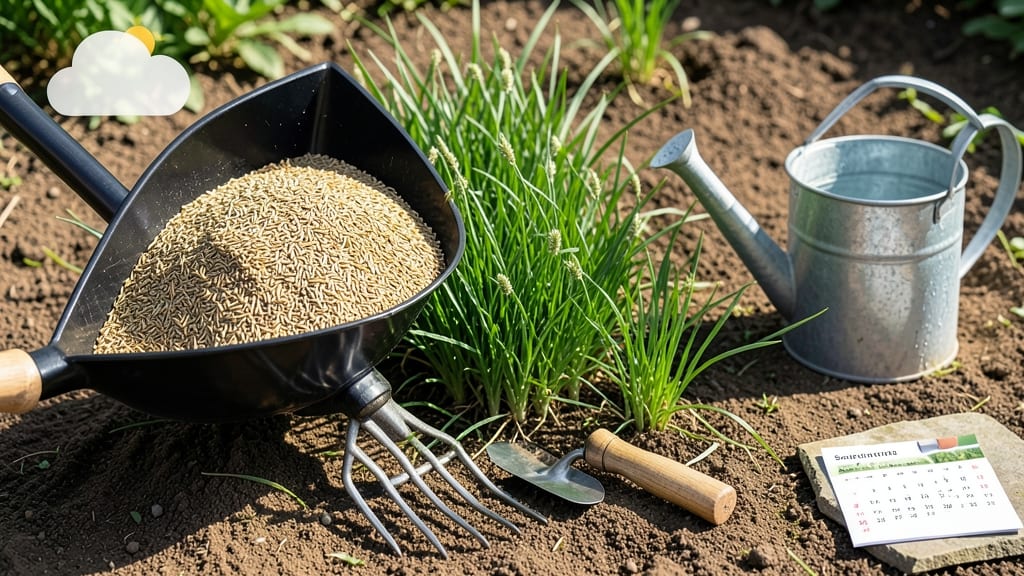
The best time to plant grass seed in Maryland is early fall or early spring, when soil temperatures and moisture align perfectly for germination.
Maryland’s unpredictable climate can turn a lush green lawn into a patchy disappointment if you plant grass seed at the wrong time—but timing it right guarantees a thick, vibrant lawn that lasts all season.
Cool-season grasses like tall fescue and Kentucky bluegrass thrive in Maryland’s 6b-7a zone when planted in September or October, when temperatures are mild and rainfall is steady. This window gives seeds time to establish strong roots before winter.
In this guide, you’ll discover the exact planting schedule, soil prep tips, and watering routines tailored to Maryland’s microclimates—so you can skip the guesswork and grow a lawn that stays green year-round.
Maryland’s ideal grass-seeding window: why fall dominates for cool-season grasses
Maryland’s cool-season grasses like tall fescue and Kentucky bluegrass thrive when planted during September-October, but why? The answer lies in Maryland’s unique climate—moderate temperatures, steady rainfall, and humidity levels create perfect germination conditions during fall.
Unlike hot summer months, fall soil stays consistently moist while temperatures hover between 60-75°F, ideal for seedling growth.
Cool-season grasses enter a dormancy phase in winter, but their root systems establish deeply during fall’s mild weather. This means by spring, your lawn is already thicker and more resilient than seeds planted in spring.
Maryland’s average 30-40 inches of annual rainfall also peaks in fall, reducing the need for supplemental watering during critical germination weeks.
Spring planting (March-April) is possible, but it comes with risks. Early spring seeds face competition from weeds and may struggle with inconsistent rainfall or sudden heatwaves. Fall planting, however, gives seeds a 6-8 week head start before winter dormancy, ensuring a denser, greener lawn by next spring.
🌱
| Planting Window | Ideal Months | Soil Temp | Rainfall | Weed Competition |
|---|---|---|---|---|
| Fall (Primary) | September-October | 60-75°F | Steady (3-4 inches/month) | Low |
| Spring (Secondary) | March-April | 50-65°F | Variable (1-3 inches/month) | High |
| Summer (Avoid) | June-August | 80°F+ | Low (drought risk) | Extreme |
| Late Fall (Risky) | November | 40-55°F | Moderate | Low |
Maryland’s humidity levels (typically 60-70% in fall) create an ideal microclimate for grass seeds. High humidity reduces moisture loss from the soil, keeping seeds hydrated without overwatering. In contrast, spring’s fluctuating temperatures can cause seeds to sprout unevenly, leading to patchy lawns.
If you must plant in early spring, aim for late March when soil temperatures stabilize above 50°F. However, spring seeds require daily watering to compensate for Maryland’s unpredictable April showers.
Fall seeds, on the other hand, benefit from natural rainfall and cooler nights, which slow water evaporation and reduce fungal diseases like brown patch.
For tall fescue, Maryland’s clay-heavy soils in fall stay moist longer than sandy areas, giving seeds a 2-3 week advantage over spring plantings. Kentucky bluegrass, which spreads via rhizomes, also establishes faster in fall because the cool nights encourage root elongation without stressing the plant.
💧
Even with perfect timing, Maryland’s microclimates (coastal vs. inland) can shift ideal planting dates by 1-2 weeks. Coastal areas like Annapolis stay warmer longer in fall, while inland regions like Hagerstown may need seeds planted by mid-October to avoid early frost.
Always check your last frost date (typically November 15) and plant 6-8 weeks before to ensure seeds germinate before winter.
To maximize success, pair fall planting with a soil test—Maryland’s pH ranges from 5.5-7.0, and cool-season grasses prefer 6.0-7.0. Adjusting pH before planting ensures seeds absorb nutrients efficiently during their critical growth phase.
A simple lime application (for acidic soils) or sulfur (for alkaline soils) can make the difference between a thin lawn and a lush carpet of green.
Step-by-step Maryland grass-seeding timeline: month-by-month prep and planting
Timing your grass seed planting in Maryland is everything—cool-season grasses like tall fescue and Kentucky bluegrass need the right conditions to germinate. The ideal window is September to October, when soil stays warm but air cools, reducing stress on new seedlings.
Spring planting in March or April works too, but requires extra vigilance against weeds and heat stress.
Maryland’s USDA zones 6b-7a mean you’ll face humid summers and mild winters, so adjusting your schedule for soil temperature (aim for 50-70°F) and rainfall patterns is key. Below is your month-by-month roadmap to a flawless lawn.
For Maryland’s clay-heavy soils, add sand or peat moss during prep to improve drainage. In sandy areas, mix in compost to retain moisture. Always water deeply (1-1.5 inches per week) to encourage deep root systems that beat drought.
Pro tip: Use a soil thermometer to monitor temperatures—seeds need 50-70°F soil for germination. If nights dip below 50°F, delay planting until conditions stabilize.
With this timeline, your Maryland lawn will germinate faster, outcompete weeds, and stay lush through summer heat and winter chill. 🌱