
Plants
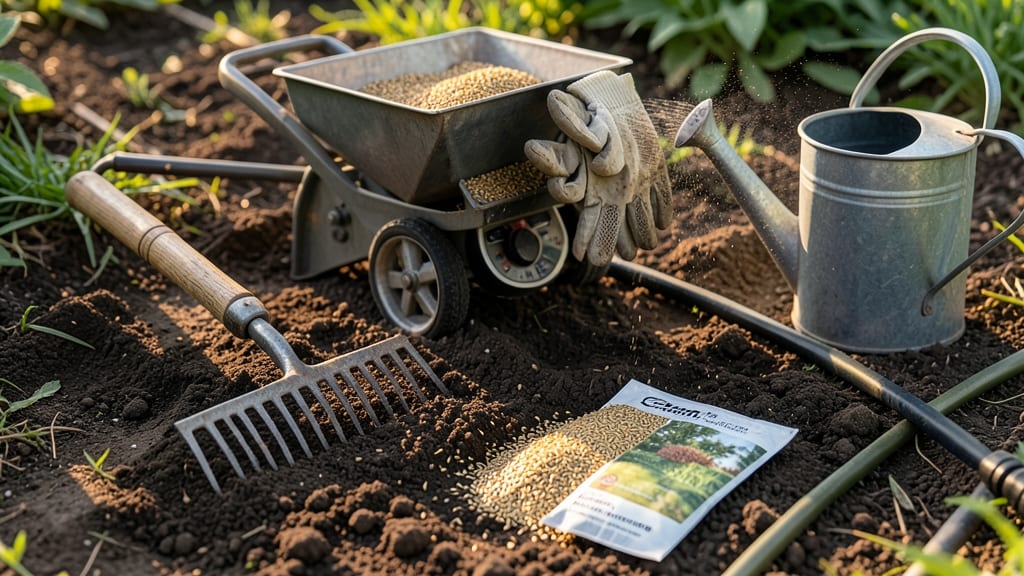
Planting grass seed in Maryland spring means timing it right—soil temperatures need to hit 50°F or warmer before seeds sprout, and frost dates can still sneak in as late as mid-April.
If you’ve ever spread seed in March only to watch it freeze overnight, you know how quickly things can go wrong. Maryland’s 7a-7b zones bring unpredictable swings, and getting it right means avoiding patchy lawns for years to come.
This guide breaks down the ideal planting windows by zone, soil temperature checks, and how to adjust for urban heat islands or rural chill. We’ll also cover frost-resistant grass types and when to prep soil for fall planting.
By the end, you’ll know exactly when to plant—whether you’re in Baltimore’s city heat or a cooler Western Maryland valley—for a lawn that thrives from the first green shoot.
Ideal Maryland spring planting windows by hardiness Zone (soil temp guide)
Maryland’s USDA Hardiness Zones 5-7 create unique spring planting challenges, where soil temperature and frost dates dictate success. Unlike warmer climates, Maryland’s cool-season grasses thrive when planted at 50-60°F soil temps, but timing varies by zone and microclimate.
Urban areas like Baltimore often warm faster than rural Western Maryland, so adjust your schedule accordingly.
For Zone 5 (Western Maryland), aim for late April to early May when soil reaches 55°F+. Zones 6-7 (Central/Eastern MD) can start mid-March to April at 50°F+, but watch for late frosts (common until mid-April).
Rural areas may need 2-3 weeks later than cities due to slower warming.
Soil temperature is your best predictor—seedlings won’t germinate below 40°F, and consistent warmth above 50°F speeds up growth. Use a soil thermometer ($10 at garden centers) to verify readiness. Pro tip: Morning soil temps are often 5-10°F cooler than afternoon readings, so check midday for accuracy.
Maryland’s average last frost dates range from March 15 (Zone 7) to April 15 (Zone 5), but microclimates (like south-facing slopes) can push this 1-2 weeks earlier. Planting 4-6 weeks before the last frost gives seedlings time to establish roots before summer heat arrives.
Urban vs. rural differences matter: Pavement and buildings in cities create "heat islands," warming soil 3-5°F faster than rural areas. If you’re in Baltimore or Annapolis, you might plant 2 weeks earlier than someone in Frederick or Hagerstown. Always monitor local forecasts for frost warnings—even in May!
If you’re planting in late spring (May-June), choose heat-tolerant varieties like tall fescue or Zoysia, which handle Maryland’s summer heat better than cool-season grasses. For early spring plantings, perennial ryegrass germinates fastest (7-14 days) and handles light frosts well.
Extend your planting window with frost blankets or row covers—these can protect new seedlings from unexpected late frosts (which happen every 3-5 years in Maryland). Test your soil’s moisture retention too: Sandy soils (common in Western MD) dry out faster and need more frequent watering during germination.
Remember: Maryland’s spring weather is unpredictable. If your soil temp drops below 50°F after planting, cover seeds with straw mulch to insulate them. And if you miss the spring window
How to check soil temperature & avoid early spring planting mistakes
Testing your soil temperature before planting grass seed in Maryland is the #1 way to avoid wasted seed and patchy lawns. Most grass varieties need the soil to stay at 50°F or warmer for at least 7-10 days to germinate properly.
In Maryland’s 7a-7b zones, this often means waiting until mid-to-late April in cooler areas or early April in urban heat pockets like Baltimore.
I’ve seen too many gardeners rush planting in March, only to watch their seeds freeze overnight. The key is patience—waiting for consistent soil warmth means faster germination and stronger root growth. Let’s walk through how to check your soil’s readiness and spot the warning signs of premature planting.
⚠️ Maryland-Specific Warning:
Planting grass seed in Maryland before April 15 risks frost damage, even in Zone 7b. Use a soil thermometer (not air temp!)—soils in Western MD stay cold longer than Eastern cities. Cool-season grasses like ryegrass can handle 40°F soils, but warm-season types (like Bermuda) need 65°F+.
To check your soil temperature, use a soil thermometer (available at garden centers for ~$10). Push it 2-3 inches deep—this mimics where seeds will germinate—and wait 30 seconds for an accurate reading.
Take readings at the same time daily (morning is best) for consistency. If temps dip below 50°F at night, your seeds may not survive.
Watch for these red flags of premature planting: yellowing grass, slow germination (taking 3+ weeks), or seeds that turn mushy instead of sprouting. These signs mean your soil was too cold or soggy.
For cool-season grasses, you can plant as early as March 1 in Southern MD, but Northern areas should wait until April 1 or later.
If frost threatens after planting, use frost blankets or row covers to protect seedlings. For extra insurance, choose cool-season grass varieties like perennial ryegrass, which germinate faster in cooler soils. These types can handle 40-50°F soils and give you a head start before summer heat arrives.
Remember: Soil temperature > air temperature when planting grass. A 70°F day might feel warm, but if your soil is still 45°F, your seeds will struggle.
Use mulch or black plastic to warm soil faster if you’re eager to plant early. Just don’t rush—your lawn will thank you for the patience!