
Plants
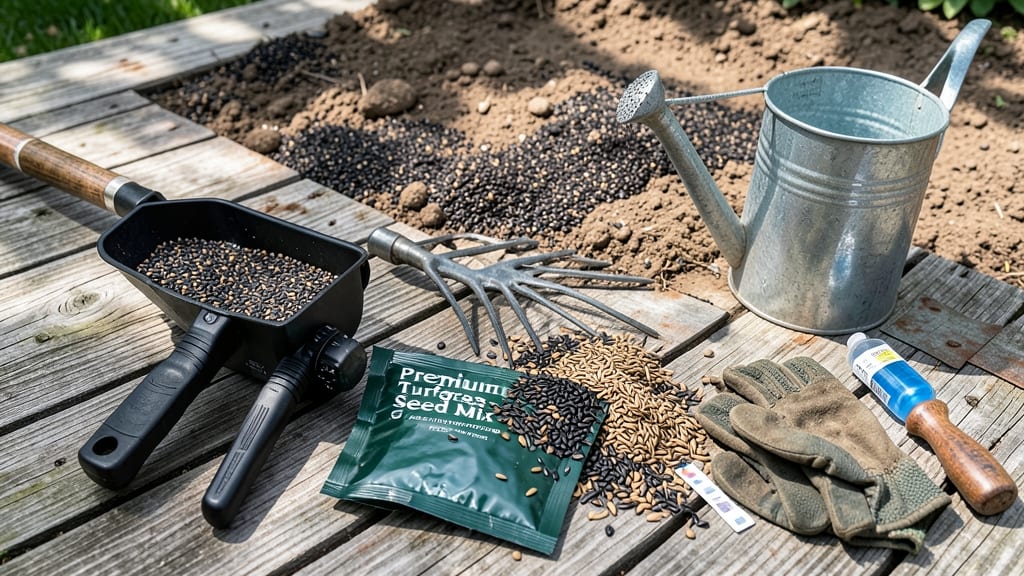
Planting grass seed in Ohio at the right time means the difference between a lush lawn and a patchy, weed-infested mess.
Ohio’s unpredictable spring weather can turn your grass-seeding plans into a gamble—unless you plant at the perfect time. Missing the frost-free window by even a few weeks means wasted seed and stunted growth, but timing it right guarantees year-round success.
For Ohio’s USDA Zone 6a climate, the ideal windows are early spring (after the last frost, around mid-April) and early fall (before the first frost, around mid-October). These periods offer consistent soil warmth, steady rainfall, and fewer weeds to compete with your new grass.
In this guide, I’ll break down the exact months to plant, how to prep your soil, and why summer seeding is a recipe for failure—plus, how to adjust for northern vs. southern Ohio’s microclimates.
Ohio’s two ideal grass-seeding windows: when to plant for best results
Ohio’s cool-season climate creates two perfect windows for grass seeding: early fall and late spring. These periods align with soil temperatures of 50°F+ and consistent rainfall, giving seeds the best chance to germinate before winter dormancy or summer heat stress.
For northern Ohio (USDA zones 5b-6a), timing is even more critical due to later frosts.
Cool-season grasses like tall fescue and Kentucky bluegrass thrive when planted in September-October, while warm-season varieties such as Bermuda grass need May-June to establish roots before summer’s intensity. Missing these windows often leads to poor germination, weed competition, or seedling stress.
Here’s how Ohio’s two planting windows compare—including soil temps, rainfall patterns, and grass type suitability—to help you choose the best time for your lawn.
| Planting Window | Ideal Months | Soil Temp (°F) | Grass Types | Rainfall (in/week) | Key Advantage |
|---|---|---|---|---|---|
| Early Fall | September–October | 50–65°F | Tall fescue, Kentucky bluegrass, ryegrass | 1.5–2.5 inches | Grass establishes roots before winter |
| Late Spring | April–May | 55–70°F | Bermuda, Zoysia, Buffalo grass | 1–1.5 inches | Avoids summer heat stress |
Fall planting is my top recommendation for Ohio lawns because cooler temps reduce water stress, and consistent rainfall in September-October promotes deep root growth before winter. Seedlings also have a head start in spring, outcompeting weeds early.
For warm-season grasses, late spring (after last frost date, typically mid-April) is ideal. These grasses need 60°F+ soil temps to germinate, so planting too early risks seed rot or slow establishment. Southern Ohio (e.g., Cincinnati) can plant 2 weeks earlier than northern areas like Cleveland.
Use a soil thermometer to confirm temps before seeding—50°F+ is the minimum for cool-season grasses, while warm-season types need 65°F+. Ohio’s USDA zones 5b–6a mean frost dates vary by 10–14 days across the state, so check your local agricultural extension for precise timing.
Pro tip: If you miss these windows, spring overseeding (March) can work for cool-season grasses, but expect slower growth due to variable spring rains and late frosts. Warm-season grasses planted in late summer (August) may struggle with fall dormancy.
For northern Ohio, aim for September 1–15 to avoid early October frosts, while southern Ohio can extend planting to mid-October. Always test soil moisture—dry spells in September can delay germination, so water deeply after seeding to maintain consistent moisture.
Remember: Grass seed needs sunlight to germinate, so avoid shady areas where weeds will dominate. If your lawn has bare patches, focus on small sections (≤50 sq ft) for better moisture control and weed suppression.
Timing your planting right isn’t just about months—it’s about soil temps, rainfall, and grass type. With Ohio’s two ideal windows, you’ll skip the guesswork and end up with a thick, green lawn all season long. 🌱
Month-by-month Ohio grass-seeding calendar: what to do each week
Ohio’s two best windows for grass seeding—late spring and early fall—require precise timing to avoid frost damage or summer heat stress. Northern Ohio’s cooler microclimates (like Cleveland) need earlier prep, while southern Ohio (like Cincinnati) can extend planting into mid-May or late October.
The key is soil temperature: aim for 50°F+ and consistent warmth for 7+ days.
Spring planting starts in March for southern Ohio but waits until mid-April in northern regions to dodge late frosts. Fall planting begins in September, with northern areas finishing by mid-October and southern Ohio pushing to early November.
Below, I break down weekly tasks for each window, including seed selection, watering schedules, and Ohio-specific risks like drought or sudden cold snaps.
- 🌱 March (Southern OH): Test soil pH (6.0–7.0 ideal), loosen compacted areas, and choose cool-season grasses like tall fescue or Kentucky bluegrass.
- 🌡️ Mid-April (Northern OH): Wait for soil temps >50°F; overseed bare spots with ryegrass for quick germination.
- 💧 April–May: Water daily for 2 weeks (early morning), then taper to 3x/week; avoid overwatering to prevent fungal growth.
- ☀️ June–August: Skip seeding—summer heat stresses new grass; focus on weed control and existing lawn care.
- 🍂 September: Plant cool-season grasses again for fall root growth; use warm-season grasses (like Bermuda) only in southern OH.
- ❄️ October (Northern OH): Finish by mid-October; apply light fertilizer to encourage winter root hardening.
- 🛠️ November: Mulch new seedings with straw to protect from early frosts; reduce watering to weekly.
For northern Ohio, prioritize fall planting—cooler temps and consistent moisture reduce weed competition. In southern Ohio, you can stretch spring planting into early June for warm-season grasses, but expect slower establishment.
Always check the Ohio State University Extension frost maps for your specific county—a 5°F dip can kill new seedlings overnight.
Watering is the #1 make-or-break factor. New grass needs 1 inch of water weekly, but daily light watering for the first 2 weeks keeps seeds from drying out. Use a rain gauge or tuna can to measure—uneven moisture leads to patchy growth.
In drought-prone areas (like western Ohio), consider drought-resistant grasses like fine fescue and water deeply 2x/week instead.
Adjust your seed mix based on sun exposure. Shady areas need low-light grasses like creeping red fescue, while sunny lawns thrive with tall fescue blends. Always prep soil by tilling 2–3 inches deep and adding compost—Ohio’s clay-heavy soil can suffocate new roots if compacted.
For high-traffic areas, mix in sand to improve drainage.
Pro tip: Mark your calendar with local frost dates and set reminders for weekly watering. If you miss the spring window, don’t panic—fall is your backup. Just remember: cool-season grasses need 60+ days to establish before winter, so plant by late September at the latest.
With this schedule, you’ll outsmart Ohio’s weather and grow a thick, green lawn year after year. 🌱