
Planting
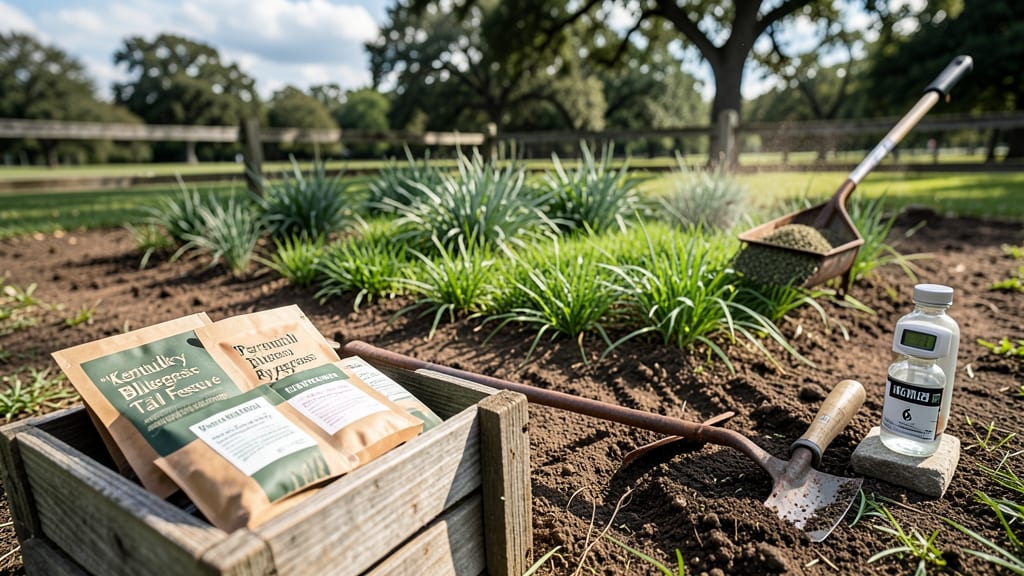
Planting grass seed in Ohio at the right time means the difference between a thick, green lawn and a patchy disappointment—so timing your spring or fall planting is everything.
Ohio’s unpredictable spring and fall weather can make timing your grass seed planting a high-stakes gamble—plant too early and risk frost damage, too late and face summer drought stress.
In Zones 6a-6b, the ideal window opens 4-6 weeks before the last frost (early April for most areas) or 4-6 weeks before the first frost (early October).
Below, I’ll break down the exact frost-free window by region, soil temperature checks, and how to prep your lawn for the best results—no guesswork, just a lush, envy-worthy carpet of 🌱 grass.
Ohio’s ideal grass seed planting months by region (north vs south)
Ohio’s climate varies dramatically from its northern (Zones 5-6) to southern (Zones 6-7) regions, creating distinct frost-free windows for grass seed planting. In the north, cooler springs and earlier frosts demand earlier prep, while the south offers a longer growing season.
Understanding these differences ensures your grass seed germinates successfully and establishes strong roots before summer heat or winter dormancy.
For both regions, the ideal soil temperature for planting grass seed ranges between 50-65°F. This threshold is critical—planting too early when soil is still cold can stunt germination, while waiting too long risks summer drought stress.
Microclimates also play a role: valleys often warm up faster than hilltops, so adjust your timing accordingly.
Northern Ohio (Zones 5-6) typically experiences its last frost around April 15, while Southern Ohio (Zones 6-7) sees frost-free conditions by April 1. These dates mark the beginning of your 6-week frost-free window for spring planting, but soil temperature is the real decider.
Here’s how to align your planting schedule with Ohio’s regional realities:
In Northern Ohio, aim to plant grass seed between late April and early May for spring or September 1 to September 30 for fall. The fall window is especially critical, as cooler temperatures and increased rainfall help grass establish before winter dormancy.
Use a soil thermometer to confirm temperatures are consistently above 50°F before sowing.
For Southern Ohio, you can start as early as mid-March if soil temperatures are ideal, but avoid planting before March 15 to prevent frost damage.
The extended frost-free season allows for a second fall planting window through mid-October, giving you flexibility to address thin spots or repair damaged lawns.
Microclimates can shift your planting timeline by 1-2 weeks. If you’re in a valley, soil warms faster, so you can plant 10-14 days earlier than the regional average.
Conversely, hilltops stay cooler longer, so delay planting until soil reaches 55°F consistently. Monitor local weather patterns—Ohio’s spring can swing from freezing nights to 80°F days in a week!
Pro tip: Cool-season grasses like tall fescue and Kentucky bluegrass thrive in Ohio’s climate, while warm-season grasses like Bermuda or Zoysia are better suited for southern regions. Choose your seed type based on your region’s frost dates and your lawn’s sun exposure.
Once you’ve nailed the timing, prepare your soil by raking out debris, leveling low spots, and adding compost to improve drainage. Water lightly after planting to keep soil moist but avoid oversaturating, which can wash away seed.
Consistency is key—your new grass needs 1 inch of water weekly until fully established.
With the right timing and preparation, your Ohio lawn will transform from a patchy eyesore to a thick, green carpet in just a few months. The secret?
Pay attention to soil temperature, microclimates, and regional frost dates—and don’t be afraid to adjust your schedule if Mother Nature throws you a curveball. 🌱
How to tell when soil and weather are Really Ready for Grass Seed
Timing your grass seed planting in Ohio isn’t just about checking a calendar—it’s about understanding your soil temperature, moisture levels, and weather forecasts. Grass seed needs consistent conditions to germinate, and Ohio’s spring showers or summer heatwaves can throw off even the best-laid plans.
I’ve planted grass seed for years in Ohio, and I’ve learned the hard way that rushing or waiting too long leads to patchy, weak lawns.
For successful germination, your soil temperature should stay between 50°F and 65°F for cool-season grasses (like tall fescue or Kentucky bluegrass) or 65°F to 75°F for warm-season grasses (like Bermuda or Zoysia). Use a soil thermometer—they’re cheap and save you from guessing.
Dig it into the soil about 2 inches deep, where the seed will be planted, and check it in the morning for the most accurate reading.
Next, focus on moisture consistency. Grass seed needs constant moisture to germinate, but Ohio’s unpredictable spring rains can make this tricky. Before planting, ensure your soil is evenly moist—not soggy, not dry.
A simple test is to squeeze a handful of soil: if it holds its shape but crumbles when you poke it, it’s perfect. If it’s too wet, wait a few days; if it’s bone-dry, water it deeply the day before planting.
Now, let’s talk weather forecasts. Check the 10-day outlook for stable conditions—ideally, no heavy rain or extreme heat for at least a week after planting. In Ohio, spring planting (March-April) often means dealing with late frosts, while fall planting (September-October) risks early cold snaps.
I always aim for a 5-day window with temperatures above 50°F and minimal rain in the forecast.
🌱 Key Takeaway: Ohio Grass Seed Planting Checklist
- Soil Temp: 50-65°F (cool-season) or 65-75°F (warm-season)
- Moisture: Evenly damp, not soggy or dry
- Weather: 5-day forecast with no frost or extreme heat
- Seed Choice: Cool-season (spring/fall) vs warm-season (summer)
- Prep: Loosen soil, remove weeds, level surface
⏰ Best Time: 4-6 weeks before last frost (spring) or first frost (fall)
Choosing the right grass seed type for Ohio’s seasons is just as critical as timing. Cool-season grasses, like tall fescue or perennial ryegrass, thrive in Ohio’s spring and fall and handle our cool nights and winter dormancy well.
For summer planting, opt for warm-season grasses like Bermuda or Zoysia, which love the heat but struggle in cooler months. I’ve had the best success with a mix of cool-season grasses for fall planting—it gives me a head start on a thick lawn before winter sets in.
Finally, don’t forget to prep your lawn properly. Remove weeds, loosen compacted soil with a rake, and level any low spots. If your soil is sandy or clay-heavy, mix in compost or peat moss to improve drainage and moisture retention.
After planting, keep the soil consistently moist (not waterlogged) for the first 2-3 weekslight sprinkler on a timer to avoid overwatering—Ohio’s humidity can turn a new lawn into a soggy mess if you’re not careful.
With these steps, you’ll know your soil and weather are truly ready for grass seed—no more guesswork, just a lush, green lawn that’s the envy of the neighborhood. Happy planting! 🌱