
Plants
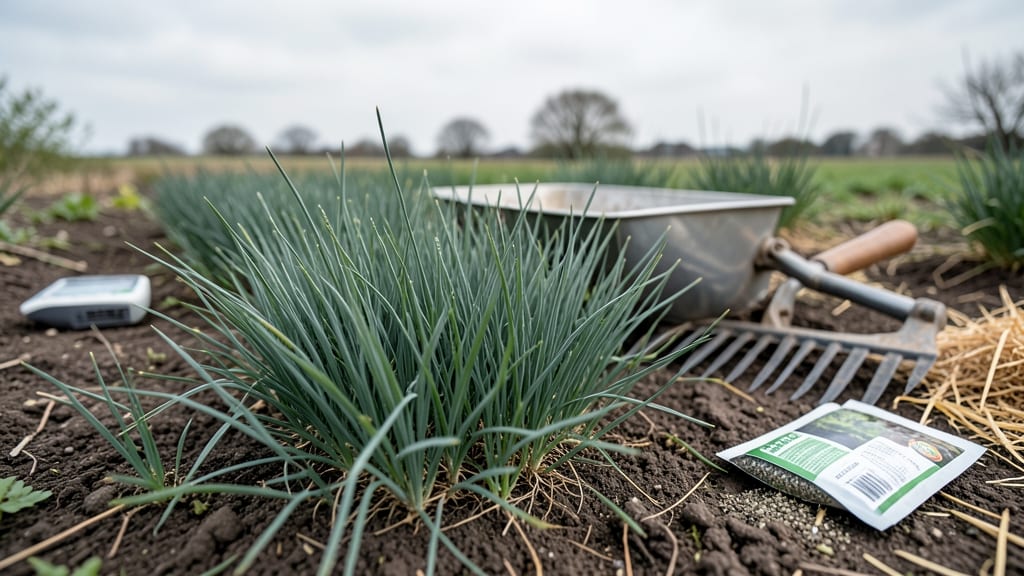
Planting grass seed in Ohio during the cool season window — between early September and mid-October — is your best shot at a thick, resilient lawn before winter sets in.
Ohio’s unpredictable spring and fall weather can make timing your grass seed planting a high-stakes gamble—plant too early and risk frost damage, too late and face summer drought stress. But mastering the cool season window and soil temperature deadlines can mean the difference between a lush lawn and wasted seeds.
For Ohio’s USDA Zone 6a, the ideal window is 4-6 weeks before your first frost, typically by mid-October. Soil temperatures should hover between 50–65°F for germination, and northern Ohio’s cooler microclimates may need an earlier start than southern regions.
In this guide, I’ll walk you through the exact months to plant, how to test your soil, and the 3 common mistakes that derail even the best-laid plans—so you can skip the guesswork and get that green carpet growing.
Ohio’s ideal grass seed planting window: month-by-month deadlines
Ohio’s cool-season climate makes fall planting the gold standard for grass seed success. Unlike warm-season grasses, tall fescue and Kentucky bluegrass thrive when soil temps dip below 80°F, but they still need consistent moisture to germinate.
The ideal window spans August through October, with critical deadlines tied to soil temperature and frost risk.
Northern Ohio (Zones 5a-6a) faces earlier frosts, while Southern Ohio (Zones 6b-7a) enjoys a 2-3 week extension. For example, Toledo’s last safe planting date is mid-October, but Cincinnati can push seeds until late October. Missing these windows risks dormant seeds or winterkill.
| Month | Northern Ohio Deadline | Southern Ohio Deadline | Soil Temp Threshold | Frost Risk |
|---|---|---|---|---|
| August | Early August | Mid-August | 60–65°F | Low (90% germination) |
| September | Mid-September | Late September | 55–60°F | Moderate (75% success) |
| October | Early October | Mid-October | 50–55°F | High (50% success) |
| November | Not Recommended | Not Recommended | Below 50°F | Very High (10% success) |
For Northern Ohio, aim to plant by mid-September to ensure 4-6 weeks of growth before first frost (typically October 15). In Southern Ohio, you can stretch until mid-October, but monitor nighttime temps—seeds need consistent warmth (above 50°F) to avoid dormancy.
Use a soil thermometer to verify temps—60–65°F is ideal for germination. If temps drop below 50°F, cover seeds with straw mulch (1/4 inch thick) to insulate them. This trick buys you 10–14 extra days in marginal conditions.
Missed the fall window? Spring planting is your backup, but rush it—seeds must germinate before summer heat sets in. Start no later than mid-April in Northern Ohio or early May in the South. Early spring also means weed competition spikes, so pre-treat with corn gluten meal.
Pro tip: Overseed in late September if your lawn’s thin—cool temps reduce weed pressure and fungal risks. Just avoid late October plantings; seeds won’t establish before winter dormancy kicks in.
Ohio’s microclimates add complexity. Urban areas (like Columbus) may have warmer pockets, while rural zones near Lake Erie can see earlier frosts. Check your local USDA zone and adjust deadlines by ±3 days for every 50 feet in elevation.
Remember: Soil prep matters just as much as timing. Test your soil’s pH (6.0–7.0 ideal) and nitrogen levels before planting. A slow-release fertilizer at seeding gives roots a 30% growth boost.
With these deadlines, you’ll sidestep Ohio’s weather whiplash and grow a lawn that’s thicker, greener, and more drought-resistant by next summer. 🌱
How to check soil temperature & prepare for planting success
Before you even reach for that bag of grass seed, checking your soil temperature is the first step to planting success in Ohio. Cool-season grasses like tall fescue and Kentucky bluegrass need soil temps between 50–65°F to germinate properly.
Warm-season grasses like Bermuda or Zoysia prefer 70–85°F, but Ohio’s climate makes cool-season varieties the clear winner for most lawns.
I’ve learned the hard way that planting too early—when soil is still chilly—can leave your seeds sitting dormant or worse, rotting. Meanwhile, waiting too long risks summer drought stress before roots establish. The key is timing your prep work so your lawn gets a head start before winter sets in.
Here’s how to test your soil temperature accurately: Use a soil thermometer (available for under $10) and check temps at a 4-inch depth—this mimics where seeds will be planted. Take readings in the late afternoon when soil is warmest, as morning temps can be misleadingly cool.
For Ohio’s Zone 6a, aim for 55–60°F in early fall for optimal germination.
⚠️ Critical Planting Deadline for Ohio
Northern Ohio: Plant by September 15—soil temps drop below 50°F after this, stalling germination. Southern Ohio: You have until October 1, but don’t wait past 60°F soil temps.
Mistake to Avoid: Planting warm-season grass in fall or cool-season grass after October 15—both will struggle to establish before winter.
Once your soil is at the right temp, prep your seedbed like a pro. Start by mowing your lawn short (about 1–1.5 inches) to create space for new seeds. Use a garden rake to loosen the soil surface—this helps seeds make contact with moisture and nutrients.
For compacted soil, consider core aeration (rent a machine or hire a pro) to create 1/2-inch holes every 2–3 inches.
Weed control is non-negotiable. Pull existing weeds by hand or spot-treat with a pre-emergent herbicide (like pendimethalin) 1–2 weeks before planting. Pro tip: Mix compost or peat moss into your topsoil for better moisture retention—Ohio’s clay-heavy soils benefit from this extra organic matter.
Finally, choose the right grass seed blend for your Ohio lawn. Cool-season mixes (like tall fescue + Kentucky bluegrass) dominate, but add fine fescue for shade tolerance.
For sunny areas, perennial ryegrass germinates faster but may thin in summer. Always check the seed label for cool-season hardiness—it’s your guarantee of winter survival.