
Plants
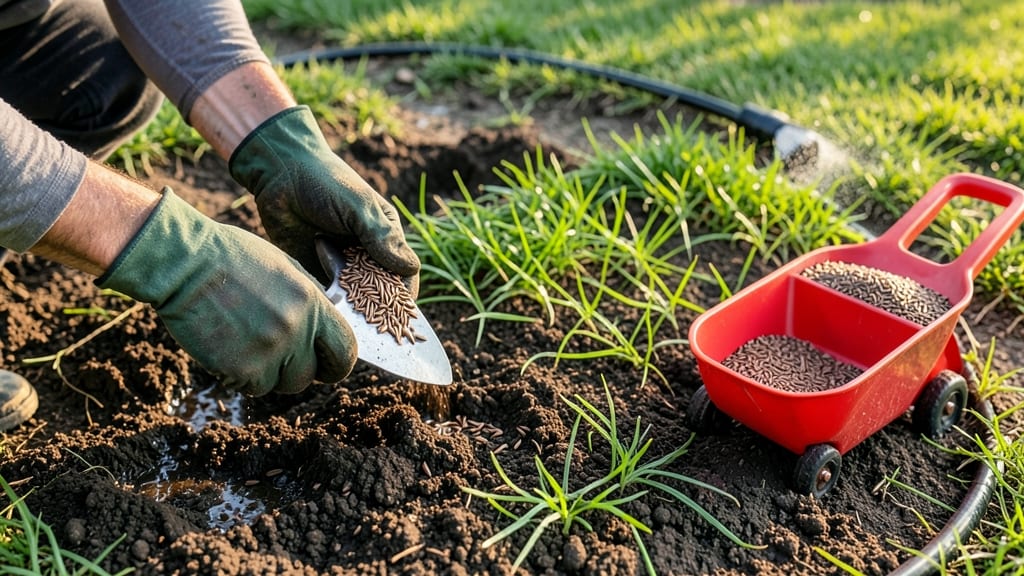
Planting Bermuda seed in Texas after the last frost and when soil hits 65°F is the fastest way to a thick, drought-resistant lawn.
Miss that window, and you’ll waste seed on patchy growth—or worse, invite rot from lingering cold. Texas’ zones 8a-10b each have their own deadlines, and even a week too early can spell failure.
Here’s how to pinpoint the exact frost-free window for your area, prep your soil for fast germination, and avoid the three mistakes that kill Bermuda seed before it takes hold.
You’ll walk away with a clear planting calendar, step-by-step soil prep, and the shortcuts that save time and money—no guesswork, just results.
Texas Bermuda grass planting calendar by hardiness zone (frost-free deadlines)
Planting Bermuda grass seed in Texas isn’t just about picking a month—it’s about hitting the perfect frost-free window when soil temperatures and daylight align for optimal germination.
In North Texas (Zones 7-8a), the last frost typically lingers until mid-February, while South Texas (Zones 9-10a) sees frost-free conditions by mid-January. The difference? Seed rot from lingering cold or failed sprouting from planting too late in the heat.
Your soil temperature is the real game-changer. Bermuda seed needs consistent warmth above 65°F (18°C) to sprout reliably. In Central Texas (Zones 8-9a), this usually means waiting until late April, while North Texas gardeners should hold off until early May.
Planting too soon risks frost damage or slow germination—both kill your chances of a thick lawn by summer.
Here’s the critical timeline broken down by zone, including soil temp thresholds and last frost averages to avoid common mistakes:
| Zone | Last Frost Date | Ideal Planting Window | Soil Temp Threshold | Risk if Planted Late |
|---|---|---|---|---|
| North Texas (7-8a) | Mid-February | Early May (after last frost) | 65°F+ (18°C) | Slow germination or seed rot |
| Central Texas (8-9a) | Mid-March | Late April (soil warm) | 65°F+ (18°C) | Weak sprouts from heat stress |
| South Texas (9-10a) | Mid-January | Early April (before summer heat) | 65°F+ (18°C) | Dormancy from extreme heat |
If you’re in North Texas, mark your calendar for May 1st as the earliest safe date—any earlier, and your seed may rot in cold soil. In Central Texas, aim for April 15th to give your lawn time to establish before summer’s brutal heat.
Meanwhile, South Texas gardeners have a narrower window: plant by April 30th to avoid heat-induced dormancy before sprouts even emerge.
Pro tip: Use a soil thermometer to confirm 65°F+ (18°C) at a 4-inch depth. If your soil is cooler, wait—Bermuda seed won’t germinate until conditions are right.
I’ve seen gardeners rush planting in April only to watch their seed turn to mush from overnight frost or fungal growth.
Once your soil hits the sweet spot, spread seed in late afternoon when humidity is high and evaporation is low. Lightly rake the soil to ensure seed-to-soil contact, then water gently but consistently—aim for ¼ inch of moisture daily until sprouts appear (10–14 days).
Overwatering here is a common mistake that drowns seed.
For North Texas, the best window is May 1st–June 15th, while Central Texas can extend to June 30th if you’re planting shaded areas. In South Texas, August seeding is possible for fall establishment, but only if you’re prepared for dormancy during peak summer heat.
The key? Monitor your lawn’s progress—if you see thin patches by mid-summer, you may need to re-seed in August.
Remember: Bermuda grass spreads aggressively once established, but seed germination is finicky. If you miss the frost-free window, consider sprigs or plugs for faster results. I’ve switched to this method in North Texas after late-April seedings failed—it’s more work but guarantees a lawn.
🌱
How to prepare your lawn for Bermuda seed in Texas (step-by-step)
Preparing your Texas lawn for Bermuda seed isn’t just about tossing seeds and hoping for the best—it’s about creating the perfect conditions for fast germination and dense growth. The key lies in soil prep, herbicide timing, and irrigation consistency.
Skip these steps, and you’ll end up with patchy, slow-growing grass that struggles in Texas heat. Let’s break it down into actionable tasks to set your lawn up for success.
First, you’ll need to test your soil pH and adjust it to the ideal range of 6.0–7.0 for Bermuda grass.
Most Texas soils lean alkaline, so you may need to add sulfur or peat moss to lower the pH. Use a soil test kit from your local extension office—it’s cheap and saves you from guessing.
While you’re at it, remove any thatch buildup (over ½ inch) with a rake or dethatching tool to ensure seeds make direct contact with the soil.
Timing your herbicide application is crucial—apply pre-emergent 1–2 weeks before seeding, not after. Post-emergent herbicides like 2,4-D will wipe out your new Bermuda grass, so wait until the lawn is fully established (after 3–4 mowings
For weed control, stick to corn gluten meal or vinegar-based sprays during the germination phase. Once your seeds are down, irrigation consistency is non-negotiable. Bermuda grass seeds need moisture every 2–3 days until sprouts appear (usually 7–14 days in ideal conditions). After germination, reduce watering to 1–1.5 inches per week to prevent fungal diseases like brown patch. Early morning watering (before 10 AM) minimizes evaporation and keeps roots healthy. Pro tip: If your lawn has bare spots or compacted soil, consider aerating 2–3 weeks before seeding. A core aerator pulls out small soil plugs, allowing seeds to reach deeper, nutrient-rich layers. Pair this with compost top-dressing for a nutrient boost that new roots will love. With these steps, your Bermuda grass will establish 30–50% faster than seed sown on unprepared soil. Don’t let Texas heat derail your efforts—shade cloth over new seedlings during 100°F+ days can save your lawn from heat stress. Once established, Bermuda grass thrives in heat, but young sprouts are delicate. A little extra care now means years of lush, drought-resistant lawn later. 🌱