
Plants
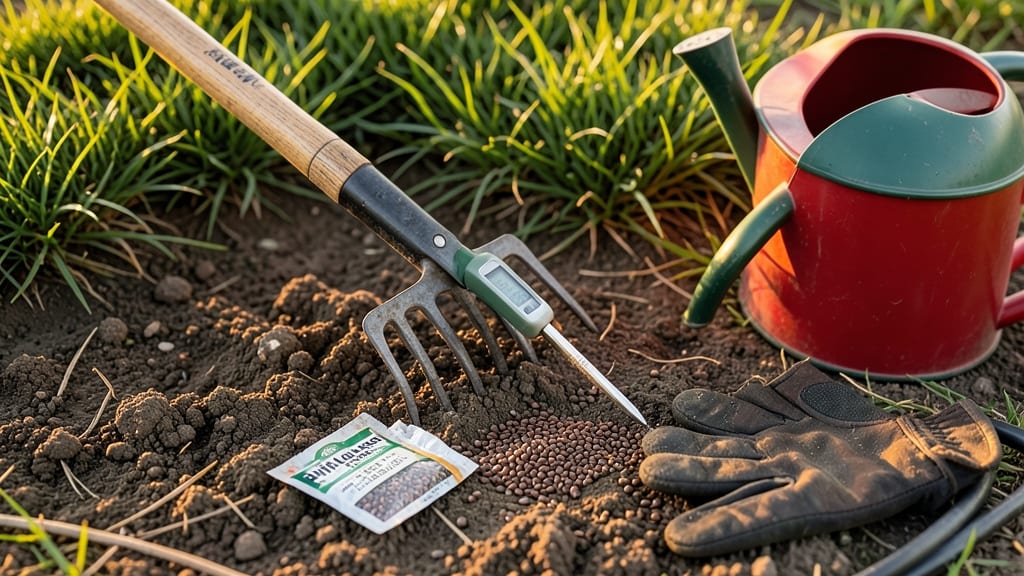
Planting buffalo grass seed in Texas at the right time means the difference between a fast, lush lawn and months of patchy growth.
If you’ve ever spread seed in the scorching summer heat only to watch it bake before sprouting, you know timing is everything for 🌱 buffalo grass—especially in zones 8a–10b where temperatures swing wildly.
For Texas gardeners, the best windows are late summer to early fall or early spring, when soil temps drop below 85°F and frost risks fade.
But not all regions play by the same rules—North Texas needs a different approach than South Texas, and skipping soil prep can turn your effort into wasted seed.
Below, I’ll break down the exact months for your zone, how to prep your soil for fast germination, and the one trick that keeps buffalo grass thriving even through Texas summers.
Best months to plant buffalo grass seed in Texas by climate zone
Texas' vast size means buffalo grass seed planting times vary dramatically from North to South Texas. The key is planting when soil temperatures stay consistently above 60°F but before summer's brutal heat sets in.
In North Texas, cooler springs and earlier frosts create a tighter window, while South Texas offers a longer, more forgiving season. Let's break down the best months for each zone to maximize your drought-resistant lawn's success.
Buffalo grass thrives in Texas because it's heat-tolerant and low-maintenance, but timing is critical. Plant too early, and frost can kill young seedlings. Plant too late, and summer's 100°F+ temperatures will stress them before roots establish.
The ideal soil temperature for germination is 70-85°F, which occurs naturally during late spring and early fall in most Texas regions.
Here's a quick reference for Texas climate zones and their best planting windows:
| Zone | Best Planting Months | Soil Temp Range | Key Consideration |
|---|---|---|---|
| North Texas (USDA 8a-8b) | March 15 - April 30 | 65-80°F | Avoid late frosts (after March 15) |
| Central Texas (USDA 8b-9a) | March 1 - May 15 | 70-85°F | Extended growing season; can plant later |
| South Texas (USDA 9a-10b) | February 15 - June 1 | 75-90°F | Longer window; avoid summer heat spikes |
| All Zones (Alternative) | August 15 - September 30 | 70-80°F | Fall planting for cooler establishment |
For North Texas, the March 15 - April 30 window is critical because frost can linger until mid-March. Always check your local frost dates—Dallas typically sees its last frost around March 15, while Lubbock may wait until April 1.
Planting before these dates risks killing tender seedlings. The soil temperature should stay above 60°F consistently for at least a week before planting.
In Central Texas, you have more flexibility with planting from March 1 to May 15. Austin and San Antonio benefit from a longer growing season, allowing you to plant later than North Texas.
The ideal soil temperature range of 70-85°F occurs naturally during these months, creating perfect conditions for germination and root development. If you plant in May, be prepared to provide extra watering as summer heat arrives.
South Texas gardeners enjoy the most flexibility, with a February 15 to June 1 planting window. Areas like Corpus Christi and Brownsville can even plant into early June if they start seeds early and provide consistent moisture. However, avoid planting during peak summer months (July-August) when temperatures often exceed 100°F, which can cause seed dormancy or seedling stress. The fall window (August-September) is also excellent for South Texas, offering cooler temperatures and lower humidity.
While spring planting is most common, don't overlook fall planting (August-September), which works across all Texas zones. Fall offers cooler soil temperatures and lower evaporation rates, helping seeds germinate more easily.
The soil temperature should be between 70-80°F during this period, making it ideal for buffalo grass establishment. Many Texas gardeners report faster germination and stronger root systems when planting in fall compared to late spring.
No matter when you plant, always test your soil temperature before seeding. Use a soil thermometer to check at 4-inch depth—this is where seeds will germinate.
If temperatures are below 60°F, wait a few more days. Overwatering is another common mistake; buffalo grass needs consistent moisture but can't handle soggy soil. Water lightly but frequently until germination occurs (typically 7-14 days), then gradually reduce frequency as roots establish.
Pro tip: If you're in a transition zone (like the Hill Country or Panhandle), consider covering seeds with a light straw mulch to retain moisture and protect them from late spring frosts or hot afternoon winds. This simple step can double your germination
Signs your Texas soil is ready for buffalo grass seed planting
Before you spread that buffalo grass seed across your lawn, your Texas soil needs to meet three critical conditions: the right temperature, moisture balance, and weather stability.
Skipping these checks often leads to seeds that sprout too slowly—or not at all—leaving you with wasted money and patchy grass. I’ve learned the hard way that even the best seed can fail if the soil isn’t ready.
Start by testing your soil temperature with a soil thermometer. Buffalo grass seeds need the ground to be between 65°F and 75°F for optimal germination. In Texas, this usually means waiting until late summer (August–September) or early spring (March–April).
If you plant too early, the heat will bake the seeds; too late, and cool temps slow down growth.
Next, check moisture levels by digging a small hole—about 2 inches deep. The soil should feel damp but not soggy. If it’s bone-dry, water it thoroughly 24 hours before planting.
Overly saturated soil can suffocate seeds, so aim for a consistent moisture balance that mimics Texas’s natural rainfall patterns after establishment.
Finally, review the 7-day weather forecast. Avoid planting if heavy rain, high winds, or extreme heat (above 90°F) are predicted. Buffalo grass seeds need stability to germinate properly, so clear skies and mild temps are your best allies.
⚠️ callout warning⚠️ Don’t Plant When:
- Soil temp > 85°F (seeds bake before sprouting)
- Heavy rain forecasted (seeds wash away or rot)
- Frost risk remains (seeds won’t germinate in cold)
I’ve seen too many gardeners rush planting during Texas heatwaves—only to watch their seed money disappear. Wait for the perfect window!
Once your soil passes these tests, it’s time to prep the seed bed. Lightly rake the area to create a fine, even surface—buffalo grass seeds are tiny and need good contact with soil. Remove any debris or weeds, as competition will stunt your new grass.
A quick pass with a lawn roller (or even a watered-down board) helps press seeds into the soil without compacting it too much.
For extra insurance, consider a light mulch layer (like straw) to retain moisture and shield seeds from sudden heat spikes. This is especially helpful in South Texas, where afternoon sun can turn your lawn into a sauna.
Monitor the area daily for the first 10–14 days, keeping soil moist but not waterlogged.
With these signs checked off, your buffalo grass seed will have the best shot at establishing a thick, drought-resistant lawn. Remember: patience is key—Texas summers are unforgiving, but with the right prep, your grass will reward you for years to come. 🌱