
Plants
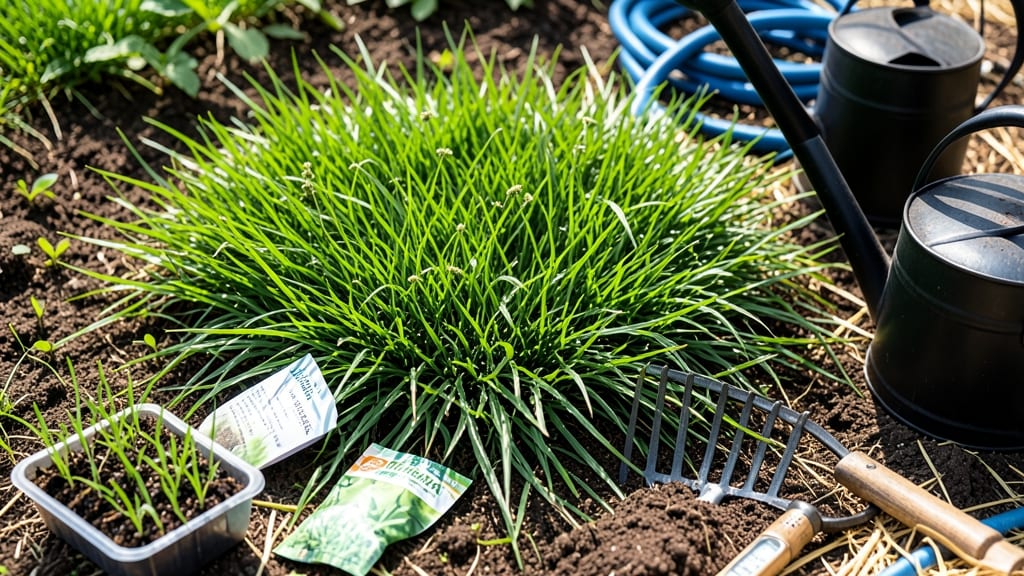
Planting Bermuda grass seed in North Texas at the right time is the key to a lawn that thrives through 100-degree summers and stays green when neighbors give up.
North Texas homeowners know the struggle: scorching summers, unpredictable rains, and a lawn that either turns brown or struggles to take root.
Planting Bermuda grass seed at the wrong time can mean thin coverage, weak growth, and wasted effort—but timing it perfectly guarantees a lush, heat-resistant lawn that stays green all season.
Your best windows are late April through early June and again in early September to early October, when soil temperatures hit the 65°F+ mark Bermuda grass needs to germinate.
Miss these windows, and you risk dormancy or weak establishment, especially in USDA zones 8a-8b where late frosts can still sneak in.
Below, I break down the exact months, soil prep secrets, and watering schedules that turn seed into a thick, drought-resistant carpet—no guesswork, just proven results for North Texas yards.
Best planting months for Bermuda grass seed in North Texas (and why timing matters)
North Texas summers are brutal—think 100°F+ heat and zero humidity. Bermuda grass thrives here because it’s heat-tolerant, but planting it at the wrong time means wasted seed and patchy growth.
The key? Soil temperature and moisture balance—two factors that make April-May and August-September the only safe windows for planting.
Bermuda grass seed needs consistent warmth to germinate. If you plant too early (March) or too late (June/July), the seed either rots in cold soil or dries out before sprouting.
North Texas’ USDA zones 8a-9a mean we avoid frost risks, but soil temps below 65°F still kill germination rates by up to 70%.
Here’s the hard truth: Planting outside these windows doesn’t just slow growth—it can mean no growth at all. Studies show germination drops to 10-20% when soil temps dip below 60°F, and seedling survival plummets in 100°F+ heat without proper moisture.
Timing also affects weed competition. Planting in April-May lets Bermuda grass outpace weeds before summer heat peaks, while August-September planting gives seedlings a head start before winter dormancy sets in.
For April-May planting, aim for late April when soil temps consistently hit 65°F+. This gives seedlings 6-8 weeks of warm weather to establish before summer’s peak. Use a soil thermometer—if temps drop below 60°F at night, delay planting by 1-2 weeks.
August-September is trickier because late summer droughts are common. Water deeply twice daily (morning and evening) for the first 30 days to prevent seed from drying out. If your area gets less than 1 inch of rain per week, supplement with irrigation immediately.
Urban vs. rural areas matter too. City lawns (like Dallas) often have hotter microclimates due to pavement, so plant 1-2 weeks earlier than rural areas (e.g., late March instead of April). Rural spots may need late April to avoid late frosts.
Pro tip: If you miss the April-May window, don’t panic—August-September is your second chance. Just avoid planting after September 15, or seedlings won’t have time to root before winter dormancy. Use a pre-emergent herbicide
How to prepare your North Texas lawn for Bermuda grass seed (step-by-step guide)
Preparing your North Texas lawn for Bermuda grass seed isn't just about throwing seed on bare soil—it's about creating the perfect conditions for fast germination and dense growth.
The key lies in soil prep, weed control, and watering consistency, all tailored to our region's climate extremes. Skip these steps, and you risk patchy coverage or seed that washes away before sprouting.
First, test your soil's pH level—Bermuda grass thrives in 6.0 to 7.5. If your soil is too acidic or alkaline, amend it with lime (to raise pH) or sulfur (to lower pH) at least 4-6 weeks before planting.
North Texas soils often lean toward alkaline, so this adjustment is critical for success.
Step-by-Step Lawn Prep for Bermuda Grass Seed
- Step 1: Test Soil pH
Use a soil test kit to check pH. Aim for 6.0-7.5—amend with lime or sulfur if needed. - Step 2: Apply Pre-Emergent Herbicide
Spray 2-4 weeks before planting to block weeds. Choose a product labeled for Bermuda grass safety. - Step 3: Till the Soil
Loosen top 1/4 inch of soil with a rototiller to break up compaction and improve seed contact. - Step 4: Level the Ground
Rake out clumps and fill low spots with topsoil to create a smooth surface for even seed distribution. - Step 5: Spread Seed Evenly
Use a broadcast spreader for 1/4 pound per 100 sqft. Lightly rake to bury seed 1/8 inch deep. - Step 6: Water Deeply Twice Daily
Keep soil consistently moist with 1/2 inch of water per session until germination (about 10-14 days).
Weed control is non-negotiable in North Texas, where crabgrass and dandelions can outcompete young Bermuda grass. Apply a pre-emergent herbicide 2-4 weeks before planting—this gives you a 4-6 week weed-free window while your grass establishes. Avoid post-emergent herbicides after planting, as they can harm tender seedlings.
Tilling is another common mistake homeowners make. Digging too deep (more than 1/4 inch) can bury seeds too deeply, preventing germination. Instead, focus on light tilling to loosen the top layer without disrupting the soil structure.
Follow up with a garden rake to create a fine, crumbly texture—this helps seeds make direct contact with moisture.
Once your seed is down, watering becomes the most critical factor. Bermuda grass seed needs consistent moisture to germinate, but overwatering can drown it. Aim for two deep waterings per day—early morning and late afternoon—for the first 10-14 days.
After germination, reduce to 1 inch per week, adjusting for rainfall. Use a soaker hose or sprinklers with even coverage to avoid puddles.
Finally, avoid these common pitfalls: planting too early (before soil hits 65°F), skipping soil prep, or using cheap seed with low germination rates. Invest in high-quality Bermuda grass seed and follow these steps precisely, and you’ll have a thick, heat-resistant lawn by summer.
The effort upfront pays off in years of low-maintenance green—even through North Texas’s brutal heat. 🌱