
Planting
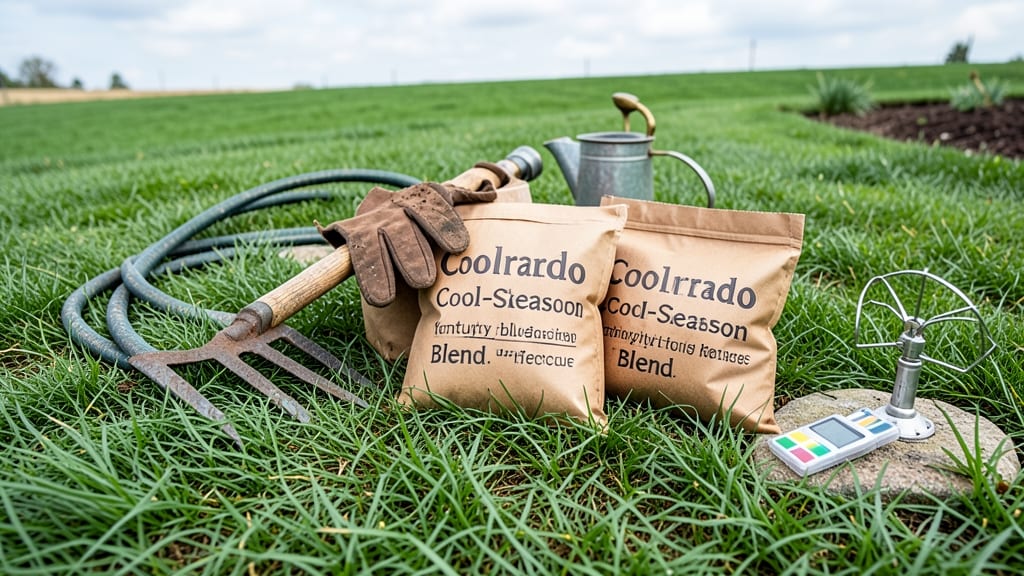
Planting grass seed in Colorado at the right time means the difference between a thick, green lawn and a patchy, struggling yard.
Colorado’s diverse elevations—from high mountain valleys to arid plains—create unique challenges for grass seed germination, but timing it right can mean the difference between a lush lawn and patchy disappointment.
If you’ve ever poured seed into the ground only to watch it wither under late frosts or bake in summer heat, you know how critical the window is. The best months depend on where you live, but getting it right saves time, money, and frustration.
Below, I break down the ideal planting windows by elevation zone, soil prep secrets, and watering hacks to ensure your grass takes root strong—no matter if you’re on the Front Range or the Western Slope.
Optimal grass seed planting months in Colorado by elevation zones
Colorado’s dramatic elevation shifts—from the arid High Plains to the Front Range and rugged Mountain regions—create wildly different growing conditions. Your grass seed success hinges on planting during the right soil temperature windows and avoiding late frosts.
Let’s break down the perfect timing for each zone, so you can achieve that thick, green lawn you’ve been dreaming of.
Most Colorado gardeners focus on cool-season grasses like Kentucky bluegrass and fescue, which thrive in our climate. These varieties need consistent moisture and moderate temperatures to germinate properly. Planting at the wrong time can lead to slow growth, disease, or even seed washout from heavy rains.
The key? Start when soil temps hit 50-60°F and the risk of frost has passed.
Pro Tip: Use a soil thermometer to check temperatures before planting—this small tool can save you from costly mistakes. In high-elevation areas, soil warms more slowly, so you’ll need to adjust your planting schedule accordingly.
Colorado’s three main elevation zones each have unique frost-free dates and ideal planting windows. Below, you’ll find a clear breakdown of when to plant in each region, along with soil temperature thresholds and frost risk timelines.
| Elevation Zone | Best Planting Months | Soil Temp Threshold | Avg. Last Frost | Key Considerations |
|---|---|---|---|---|
| High Plains (3,500–5,000 ft) | Late March–April Late August–September |
50–60°F | April 1–15 | Warmer soil, lower frost risk; watch for drought |
| Front Range (5,000–7,000 ft) | Mid-April–May Late August–early Sept |
55–65°F | April 15–30 | Cooler nights, slower soil warming; aerate clay soil |
| Mountain (7,000–9,000 ft) | Late April–May Early September |
60–70°F | May 1–15 | Short growing season; use cold-hardy seed blends |
In the High Plains, where soil warms faster, you can start planting as early as late March. This zone benefits from milder winters and longer frost-free periods, making it ideal for warm-season grasses like Bermuda grass in southern areas.
However, be prepared for dry spells—consistent watering is critical during germination.
For the Front Range, including Denver and Boulder, aim for mid-April to May for spring planting. This timing aligns with the average last frost date of April 15–30. If you’re planting in fall, late August to early September works best.
The cool nights in this zone can slow germination, so consider using a lightweight mulch to retain heat and moisture.
The Mountain regions (7,000–9,000 ft) have the shortest growing seasons, so timing is everything. Wait until late April or May for spring planting, when soil temperatures consistently reach 60–70°F.
Fall planting should happen by early September to allow roots to establish before the first frost. Choose cold-hardy grass varieties like fine fescue for these elevations.
Regardless of elevation, always test your soil before planting. Colorado’s alkaline soils often need amendments like compost or sulfur to create the ideal pH of 6.0–7.0 for grass seed. A simple soil test kit (available at garden centers) can save you from investing in the wrong seed mix.
After planting, water deeply but infrequently—this encourages deep root growth. Aim for 1–1.5 inches of water per week, delivered in the early morning to reduce evaporation and fungal risks. Avoid walking on newly seeded areas for at least 4–6 weeks to prevent seed displacement.
By following these elevation-specific guidelines, you’ll maximize your chances of a lush, healthy lawn that thrives in Colorado’s unique climate. Happy planting—and may your grass grow thick and green! 🌱
How Colorado’s microclimates affect grass seed success rates
Colorado’s dramatic elevation shifts create microclimates that drastically impact grass seed performance. At 5,000 feet on the Front Range, you’ll face different challenges than at 9,000 feet in the mountains, where colder temperatures and thinner air slow germination.
These variations mean your seed selection and preparation must adapt to survive Colorado’s extremes.
The cool-season grasses like Kentucky bluegrass and fescue thrive in Colorado’s spring and fall planting windows, while warm-season options like Bermuda grass struggle above 6,000 feet. Even within the same city, a north-facing yard may stay frostbitten weeks longer than a south-facing slope.
Understanding these localized conditions helps you avoid common pitfalls like uneven sprouting or seed washout.
Spring Planting in Colorado
Pros
- Soil warms naturally, improving germination
- Longer daylight hours support early growth
- Less competition from weeds in early spring
Cons
- Late frosts can damage tender seedlings
- Spring rains may cause erosion or seed washout
- Requires vigilant watering as temperatures rise
Fall Planting in Colorado
Pros
- Cooler temps reduce weed competition
- Seeds establish roots before winter dormancy
- Lower water evaporation rates in fall
Cons
- Early frosts may limit planting window
- Soil moisture can become inconsistent
- Grass may go dormant before full establishment
Wind exposure is another critical factor—high-elevation areas like the Western Slope experience stronger winds that dry out soil and seedlings faster. In these zones, soil aeration becomes even more critical to prevent compaction from winter snow loads.
I recommend using a core aerator in late summer to improve water penetration before fall planting.
Moisture levels vary wildly across Colorado’s regions. The High Plains often face drought conditions, while the mountain valleys may experience sudden downpours. For arid areas, I suggest pre-watering the soil 24 hours before planting to create ideal moisture conditions. This simple step can double your germination rates in dry climates.
Don’t overlook the importance of seed selection based on your microclimate. Tall fescue handles Colorado’s cold snaps better than fine fescue, while buffalo grass thrives in the dry heat of the Western Slope.
Always check the seed packet for USDA zone recommendations—most Colorado grasses are rated for zones 4-7.
Finally, adjust your irrigation schedule based on elevation. At 7,000 feet, water more frequently in the morning to combat UV intensity and wind desiccation. Use a rain gauge to track moisture levels—Colorado’s unpredictable weather makes guesswork risky.
With these microclimate-specific adjustments, your grass seed will have the best chance to establish strong roots before Colorado’s next seasonal shift.