
Plants
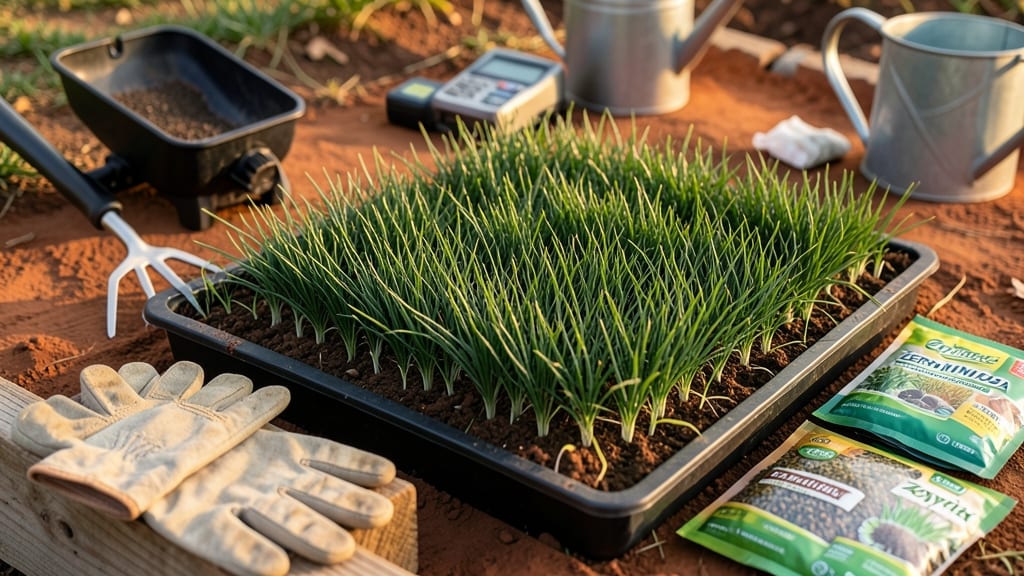
Planting grass seed in Louisiana at the right time means the difference between a thick, green lawn and a patchy, struggling mess—especially when humidity and heat play spoilsport.
Louisiana’s sweltering summers and humid climate make timing everything when planting grass seed—but getting it right can mean the difference between a lush, thick lawn and weeks of frustration. Skip the guesswork and plant at the perfect window to outsmart humidity and heat stress.
In USDA zones 8a-9b, the best times to plant are early spring (February-April) or late summer/early fall (August-September). This avoids the brutal heat of mid-summer and the frost risk of winter.
Below, I’ll break down the exact planting windows for North Louisiana vs. New Orleans, soil prep tips to beat humidity, and the best grass varieties for your yard’s needs.
Louisiana grass seed planting calendar: best months by climate zone
Louisiana’s climate varies dramatically from its northern woodland regions to its coastal southern zones, making a one-size-fits-all approach a recipe for failure. The North (Zone 8a) experiences cooler winters, while the South (Zone 9b) bakes under relentless summer heat and humidity.
Even Central Louisiana (Zone 8b) sits in the middle, battling both extremes. Timing your grass seed planting to match these zones—and the heat tolerance of your chosen grass type—can save you months of patchy, struggling lawns.
Most gardeners focus on spring planting, but Louisiana’s humidity spikes in late summer and early fall often create the perfect germination window for warm-season grasses like Bermuda and Zoysia. Meanwhile, cool-season grasses (like Tall Fescue) thrive when planted in early spring before the heat sets in.
The key? Soil temperatures must stay between 60-65°F for optimal seed activation, and rainfall patterns must align with your lawn’s needs.
Below is your zone-specific planting calendar, tailored to Louisiana’s three distinct climate zones. Use this as your roadmap to thick, resilient grass—whether you’re battling North Louisiana’s clay-heavy soils or New Orleans’ summer droughts.
| Zone | Best Planting Window | Grass Types | Soil Temp Goal | Key Considerations |
|---|---|---|---|---|
| North Louisiana (Zone 8a) | Early Spring: March 15–April 15 Late Summer: August 1–September 15 |
Bermuda, Tall Fescue, Centipede | 60–65°F | Cooler nights; watch for late frosts in March. Bermuda needs warm soil—wait until soil temps hit 70°F in late summer. |
| Central Louisiana (Zone 8b) | Early Spring: February 28–April 1 Late Summer: July 15–September 1 |
St. Augustine, Zoysia, Bermuda | 60–65°F | Humidity peaks in July–August—plant Zoysia in early August to avoid fungal stress. St. Augustine thrives in spring but needs shade cloth if planted in summer. |
| South Louisiana (Zone 9b) | Late Summer: August 1–September 10 Avoid spring planting—heat arrives too early. |
St. Augustine, Bermuda, Centipede | 70–75°F (warm-season only) | No spring planting—soil heats too fast. St. Augustine dominates here; Bermuda needs drought-resistant prep due to summer dry spells. |
If you’re in North Louisiana, your March planting window is critical—cool-season grasses like Tall Fescue need to establish before the April heat sets in. I’ve seen too many gardeners rush planting in February only to watch their seeds rot in soggy, cold soil.
Wait until soil temperatures stabilize above 60°F, and you’ll avoid this common pitfall.
For Central Louisiana, the late summer window (July–September) is your best bet for warm-season grasses.
This is when humidity levels drop slightly after the peak of summer, giving seeds a fighting chance. St. Augustine, Louisiana’s state grass, loves this timing—just be prepared for hurricane season delays if you plant in August.
In South Louisiana, spring planting is a non-starter. The soil heats up too quickly, and evaporation rates make it nearly impossible for seeds to germinate. Instead, focus on August–September for Bermuda or Centipede, which can handle the intense heat once established.
Pro tip: Water deeply at dawn to combat the relentless sun and prevent seed desiccation.
Regardless of your zone, avoid planting during Louisiana’s wettest months—May and June—when fungal diseases like brown patch and dollar spot run rampant. These months bring excessive humidity and standing water, creating the perfect storm for seed rot.
If you must plant in summer, opt for shade-tolerant varieties like Zoysia and use fungicide treatments as a precaution.
One final tip: Test your soil pH before planting. Louisiana’s clay-heavy soils often lean acidic (pH 5.5–6.5), which can stunt grass growth. Aim for a pH of 6.0–7.0 by amending with lime (for acidic soils) or sulfur (for alkaline soils).
A simple $20 soil test kit from your local co-op can save you hundreds in lawn repairs down
How to prepare Louisiana soil for grass seed in humid conditions
Louisiana’s clay-heavy soils and humid climate demand extra prep work before planting grass seed. Without proper preparation, your seeds can rot, wash away, or struggle to establish roots. The key is balancing drainage, organic matter, and moisture control to create the ideal environment for germination.
Let’s break down the exact steps to set your lawn up for success.
Start by testing your soil’s pH level—Louisiana grass thrives in a 6.0 to 7.0 range. If your soil is too acidic or alkaline, amend it with lime (to raise pH) or sulfur (to lower pH) at least 4-6 weeks before planting.
This gives the soil time to adjust and prevents shocking your grass seeds later. For clay soils, which are common in Louisiana, focus on improving drainage and aeration first.
Step-by-Step Soil Prep for Louisiana Grass Seed
- Test Soil pH (aim for 6.0-7.0) and amend with lime/sulfur if needed.
- Remove weeds and debris by hand or with a non-selective herbicide (apply 2-3 weeks before planting).
- Loosen soil 4-6 inches deep using a core aerator or tiller to break up clay compaction.
- Add organic matter: Mix in 2-3 inches of compost or peat moss to improve water retention and drainage.
- Level the soil with a rake, ensuring no low spots where water can pool.
- Apply starter fertilizer (high in phosphorus) to encourage root development.
- Water lightly the day before planting to settle the soil without creating puddles.
Once your soil is prepped, focus on weed suppression to give your grass seed a fighting chance. Louisiana’s humidity creates the perfect conditions for weeds to sprout alongside your new grass. Apply a pre-emergent herbicide 2-3 weeks before planting to block weed seeds already in the soil.
For organic options, use corn gluten meal, which also provides a light nitrogen boost. Avoid post-emergent herbicides until your grass is fully established (about 3 months old).
After planting, watering consistency is critical. Louisiana’s heat and humidity can dry out soil quickly or lead to fungal issues if watered improperly. Water lightly but frequently—about ¼ inch per day—for the first 2 weeks to keep the soil moist but not soggy.
Once the grass reaches 2-3 inches tall, switch to deep, infrequent watering (1-1.5 inches per week) to encourage deep root growth. Always water in the early morning to reduce evaporation and fungal risks.
Mulching your newly seeded area with straw or peat moss helps retain moisture, regulate soil temperature, and protect seeds from heavy rain or bird damage. Apply a ¼-inch layer and keep it in place until germination is complete (usually 10-14 days).
Avoid using mulch that’s too thick, as it can smother seeds or attract pests. Once your grass reaches 1-2 inches tall, you can remove the mulch and let the lawn establish on its own.
Finally, avoid foot traffic on your new lawn for at least 4-6 weeks to prevent seed displacement and soil compaction. If pets or children must use the area, designate a temporary pathway or use stepping stones.
With these steps, your Louisiana lawn will have the best chance to thrive despite the humidity and clay challenges. Your hard work will pay off with a thick, green lawn that stands up to the state’s tough conditions. 🌱