
Plants
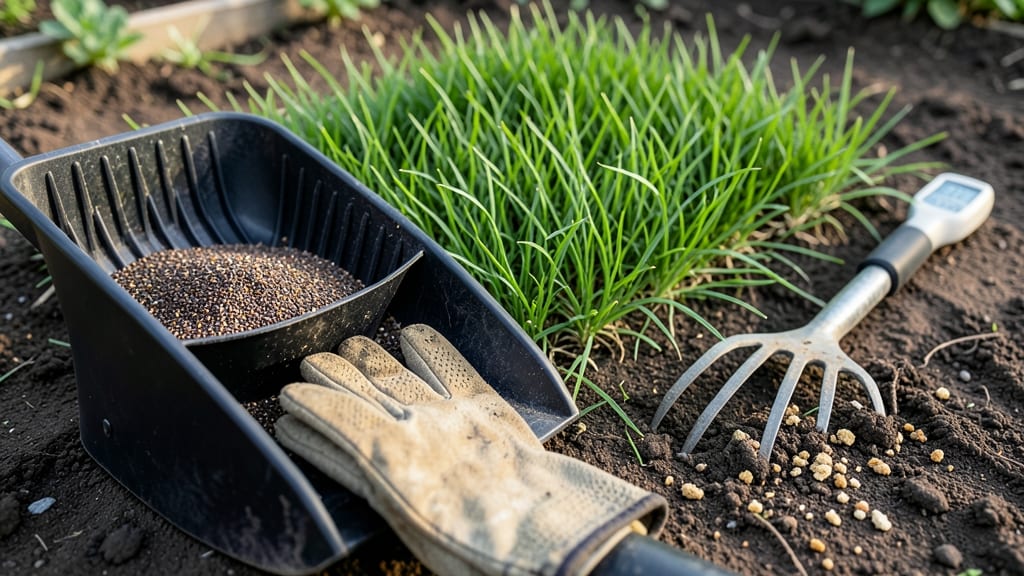
Planting grass seed in Maine at the right time means the difference between a lush lawn and a patchy disappointment — and the perfect window depends on whether you’re in coastal Portland or inland Bangor.
Maine’s unpredictable spring and fall weather can make timing your grass seed planting a challenge—plant too early and risk frost damage, too late and face summer drought stress.
Most gardeners in USDA zones 5a-6b swear by early fall planting when soil stays warm longer, but spring has its advantages too, especially if you’re starting from scratch.
Below, I break down the exact frost-free windows by zone, soil temperature tricks to get it right, and the one mistake that kills even the best-laid plans.
Maine’s ideal grass seed planting windows by hardiness zones
Timing your grass seed planting in Maine isn’t just about avoiding frost—it’s about soil temperature, rainfall patterns, and knowing your USDA zone. Most Maine gardeners fall into zones 5a-6b, where early fall planting is ideal, but spring has its perks too.
In my experience, fall planting (late August to early October) gives seeds time to germinate before winter, while spring planting (April to early June) works best for cold-hardy varieties like tall fescue or Kentucky bluegrass.
Here’s the key: Soil must stay above 50°F for at least 4-6 weeks after planting. Coastal areas warm faster than inland zones, so adjust your timing accordingly.
| Zone | Best Planting Window | Soil Temp Requirement | Key Considerations |
|---|---|---|---|
| 5a (Northern Maine) | Late May - Early June (spring) or Mid-Sept - Early Oct (fall) | 55°F+ for 6+ weeks | Coldest zone; use cool-season grasses like fine fescue. |
| 5b (Central Maine) | Early May - Mid-June (spring) or Early Sept - Mid-Oct (fall) | 50°F+ for 4-6 weeks | Moderate frost risk; Kentucky bluegrass thrives here. |
| 6a (Southern Maine) | Mid-April - Early June (spring) or Late Aug - Early Nov (fall) | 50°F+ for 4+ weeks | Warmest zone; tall fescue and perennial ryegrass excel. |
| Coastal (Portland) | Early May - Late June (spring) or Early Sept - Late Oct (fall) | 50°F+ for 3-4 weeks | Soil warms faster; avoid late fall planting due to salt air. |
For zone 5a (northern Maine), like Presque Isle, I recommend sticking to fall planting—the soil stays warm just long enough for germination before winter sets in. Use a soil thermometer to confirm temps stay above 50°F for 6+ weeks.
In zone 6a (southern Maine), like Portland, you’ve got more flexibility. I’ve had success planting as late as early November if the soil stays above 50°F, but frost can sneak in quickly.
One critical mistake I see is planting when the topsoil is still cold. Even if air temps are warm, the ground may still be below 50°F. Use a soil thermometer—it’s a game-changer for accuracy.
Pro tip: If you’re in zone 5b (like Bangor), aim for late August to early September—this gives seeds time to establish roots before winter. Water deeply 2-3 times per week to keep soil moist but not soggy.
For coastal areas, like Bar Harbor, soil warms faster due to moderating ocean breezes. Plant 1-2 weeks earlier than inland zones, but watch for salt spray, which can stress young seedlings.
Finally, avoid planting in summer—Maine’s heat waves dry out soil, and new grass struggles to compete with weeds. Stick to spring or fall, and your lawn will thank you.
How to adjust planting timing for coastal vs. inland Maine conditions
If you’ve planted grass seed in Portland and Bangor within the same week, you’ve likely noticed different results. That’s because coastal Maine and inland Maine have wildly different microclimates—especially when it comes to soil warming and frost timing.
Coastal areas like Portland and Bar Harbor enjoy warmer soils earlier due to ocean currents, while inland spots like Bangor or Presque Isle can linger in frost well into May.
The key difference? Coastal zones warm 1-2 weeks faster than inland areas, but they also face higher salt exposure and more unpredictable fall frost. Inland regions, meanwhile, have colder springs but longer frost-free summers. Let’s break down the exact adjustments you need to make for each.
| Factor | Coastal Maine (Portland/Bar Harbor) | Inland Maine (Bangor/Presque Isle) |
|---|---|---|
| Last Frost Date | Mid-April to early May | Late May to early June |
| First Frost Date | Mid-October (earlier near saltwater) | Late October to early November |
| Soil Warms to 50°F | Early May (1-2 weeks earlier) | Late May (1-2 weeks later) |
| Best Spring Planting Window | Early May to late June | Late May to early July |
| Best Fall Planting Window | Early September to late October | Mid-September to early November |
| Key Risk Factor | Salt spray damage to seedlings | Late spring frosts |
For coastal gardeners, the biggest adjustment is planting 1-2 weeks earlier than inland zones. In Portland, I’ve seen success with early May plantings when soil hits 50°F—often 2 weeks before inland areas.
However, watch for salt spray near shorelines, which can burn young seedlings. If you’re near the coast, consider freshwater irrigation for the first 2 weeks to dilute salt buildup.
Inland areas like Bangor or Presque Isle need patience. Wait until late May for spring plantings—earlier attempts risk late frosts. For fall, I’ve planted as late as early November in zone 6a, but always check soil temps with a thermometer.
Inland soils hold warmth longer, giving seeds more time to establish roots before winter.
One pro tip for both regions: Mulch with straw after planting. Coastal areas benefit from the extra moisture retention, while inland zones need protection from wind and drying winds.
Apply a ¼-inch layer of straw and water lightly to keep it in place. This small step can mean the difference between thin patches and a thick, green lawn.
Finally, avoid summer planting in both regions. Coastal summers bring drought stress, while inland areas face heat waves that dry out soil. Stick to spring or fall, adjust your timing based on the table above, and your grass seed will thrive—whether you’re in Portland or Bangor.