
Plants
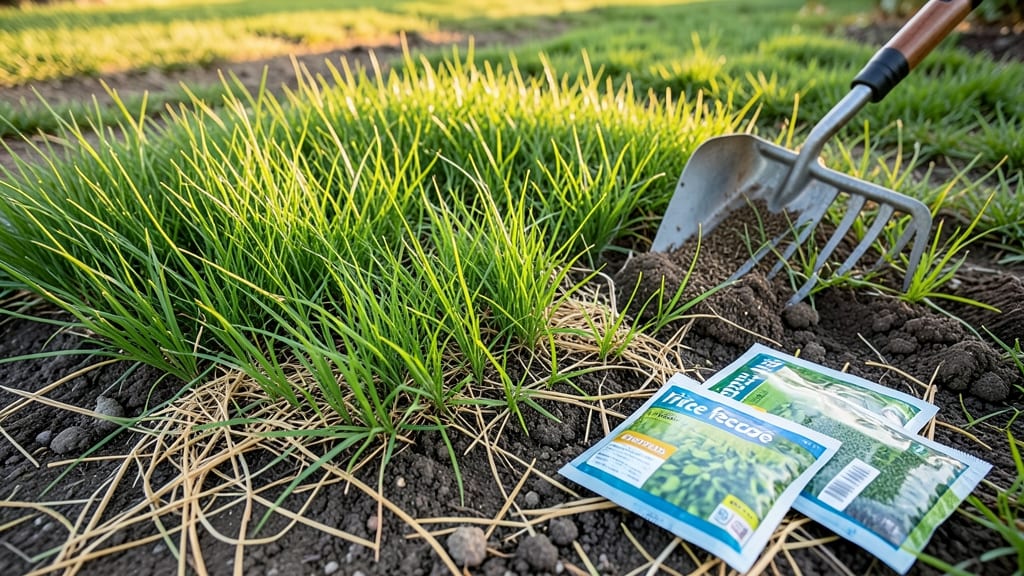
To plant grass seed in Oregon at the perfect time means catching that narrow window between frost and summer heat—typically between March and April or again in September and October.
Timing your grass seed planting in Oregon can mean the difference between a lush, green lawn and months of patchy growth—or worse, wasted seed. With the state’s diverse climate zones, knowing the exact frost-free window is critical for success.
In USDA Zones 7b-9a, coastal areas like the Willamette Valley can plant as early as February, while inland regions like Eastern Oregon wait until late April to avoid late frosts. Meanwhile, fall planting in September-October gives grass roots time to establish before winter rains set in.
Below, I break down the ideal planting months by zone, how to adjust for Oregon’s rainy springs and dry summers, and the step-by-step prep to ensure your grass seed takes hold—no matter where you live in the state.
Oregon’s grass planting zones: when to plant by USDA hardiness Zone
Oregon’s diverse climate means your grass seed planting timing depends heavily on your USDA hardiness zone and microclimate. Whether you're in the Willamette Valley or Eastern Oregon, understanding these zones helps you avoid late frosts and summer droughts that can ruin new lawns.
The best time to plant grass seed in Oregon is during the frost-free window, typically from early spring (March-April) to early fall (September-October). However, coastal areas like Astoria have milder winters, while inland regions like Bend experience earlier frosts.
For USDA Zone 7b (e.g., Portland), aim for March 15 to April 30 or September 1 to October 15. In Zone 8a (e.g., Eugene), extend your window to February 15 to May 15 or August 15 to November 1.
In Zone 9a (e.g., Medford), plant between February 1 to April 15 or September 15 to November 15. Meanwhile, Zone 6b (e.g., Eastern Oregon) has a shorter window: April 15 to May 30 or September 1 to October 1.
Soil temperature is just as critical as frost dates. For cool-season grasses (like Kentucky bluegrass or fescue), wait until soil reaches 50–65°F. Warm-season grasses (like Bermuda grass) need 65–75°F, but these are rare in Oregon’s climate.
In coastal Oregon, where rainfall is high year-round, focus on fall planting to avoid fungal diseases. Inland areas like Bend benefit from spring planting to take advantage of early moisture before summer droughts.
Always check your local last frost date using resources like the Old Farmer’s Almanac or NOAA’s climate data. Planting too early risks frost damage, while waiting too long can lead to summer heat stress.
For overseeding existing lawns, follow the same timing but use half the seed rate. This helps establish new grass without overwhelming your current lawn.
Pro tip: Test your soil’s pH level before planting. Oregon’s acidic soils often need lime to reach the ideal 6.0–7.0 pH for grass growth. 🌱
How to adjust planting timing for Oregon’s rainy seasons and cool summers
Oregon’s coastal regions like the Willamette Valley get 100+ inches of rain annually, while inland areas like Bend see 10-12 inches. These extremes demand different planting strategies.
Coastal zones can plant as early as February, but inland areas must wait until late April to avoid late frosts that can kill tender seedlings.
Summer droughts in Eastern Oregon (like the High Desert) require drought-tolerant grass varieties like tall fescue, while coastal areas thrive with fine fescue blends that handle moisture better. The key is adjusting your timing to match your microclimate’s rainfall patterns and soil moisture.
Here’s how to balance Oregon’s wet springs and dry summers for successful grass seed planting:
Spring Planting (March-April)
✅ Pros
- Cooler temps reduce stress
- Natural rainfall watering
- Longer growing season before summer
❌ Cons
- Late frosts can damage seedlings
- Overwatering risks in coastal zones
- Weed competition spikes in spring
Fall Planting (September-October)
✅ Pros
- Mild temps encourage root growth
- Autumn rains reduce irrigation needs
- Fewer weeds in late season
❌ Cons
- Early frosts can stunt growth
- Shorter daylight slows germination
- Soil compaction from fall rains
For coastal Oregon, prioritize fine fescue mixes (like creeping red fescue) that handle consistent moisture without rotting. Inland areas should choose tall fescue or Kentucky bluegrass, which tolerate drier summers once established.
If you’re in Southern Oregon (Zone 8-9), plant warm-season grasses like Bermuda or Zoysia in late spring (May) to avoid winter dormancy challenges. These varieties thrive in hotter inland summers but struggle with Oregon’s cool winters.
Always test your soil temperature—ideal planting occurs when it’s between 50-65°F. Use a soil thermometer to check, especially in Eastern Oregon where daytime temps can spike while nights stay cool. Adjust your planting date if soil temps exceed 75°F—seedlings will struggle to germinate.
🌱