
Plants
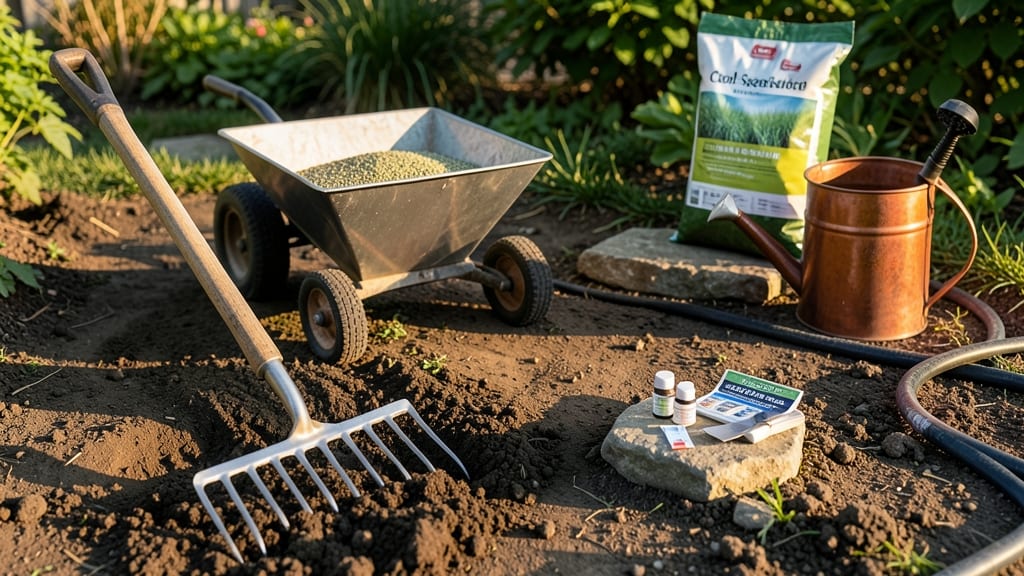
Planting grass seed in Pennsylvania at the right time is the difference between a lush, green lawn and a patchy, frustrating mess.
You’ve spent hours picking out the perfect seed blend, only to watch it wash away in spring’s relentless downpours or bake under summer’s scorching sun. Pennsylvania’s 5a-7a climate means timing matters more than most places—too early and frost zaps your progress, too late and weeds take over.
The secret? Planting 4-6 weeks before the first frost in fall or right after the last frost in spring, when soil temps hover between 50-65°F.
Fall planting is ideal for most of the state, especially in zones 6a-7a, because cooler temps slow weed growth while giving grass roots time to establish before winter. But spring has its own advantages, like avoiding fall’s fungal risks.
I’ll walk you through the exact windows for your region, soil prep tips to beat Pennsylvania’s clay-heavy dirt, and how to tell if you’ve missed the boat.
Skip the guesswork and learn how to turn your lawn into the neighborhood showstopper—without wasting another season on weak starts.
Best Pennsylvania grass seed planting windows: spring vs fall deadlines
Pennsylvania’s cool-season climate (USDA zones 5a-7a) creates a tight window for planting grass seed. Unlike warmer states, you can’t just toss seed in the ground whenever—timing directly impacts germination rates and winter survival.
Most cool-season grasses like Kentucky bluegrass and tall fescue thrive when planted during optimal temperature ranges of 50-65°F, which Pennsylvania delivers twice a year.
Fall planting is the gold standard for Pennsylvania lawns. Why? Because fall temperatures stay mild while spring rains often lead to erosion or fungal issues. Seeds sown in September-October have 6-8 weeks to establish roots before winter dormancy, giving them a head start in spring.
Meanwhile, early spring (March-April) is your second-best option, but it requires careful monitoring of soil temperatures and frost dates.
Here’s the critical comparison between spring and fall planting in Pennsylvania, including regional adjustments for cities like Philadelphia (warmer microclimate) versus Pittsburgh (cooler, wetter springs).
For fall planting, aim to finish by October 15 in most of Pennsylvania. This gives seeds 6-8 weeks to germinate before first frost (average October 15, but earlier in northwest PA).
If you’re in Philadelphia or southern PA, you can push it to mid-November—just ensure soil temps stay above 40°F (4°C).
Spring planting is trickier. Wait until soil temperatures consistently reach 50°F (10°C)—usually mid-April in Pittsburgh
How to prepare your Pennsylvania lawn for grass seed success
Pennsylvania’s clay-heavy soils and unpredictable weather can turn grass seed planting into a gamble—but proper prep turns it into a sure thing. I’ve learned the hard way that skipping soil testing or rushing weed control leads to patchy results.
The key? Start 4-6 weeks before planting with these essential steps tailored to your region’s unique challenges.
Northern PA’s 5a-6a zones (think Erie or Scranton) need extra attention to frost heave, while southern PA’s 7a-7b zones (like Philadelphia) face summer heat stress. Both regions share one critical issue: compacted clay that smothers new grass roots.
I’ll show you how to break through these obstacles with simple, effective techniques that work whether you’re seeding in spring or fall.
- 1
- 2
- 3
- 4
- 5
- 6
Don’t overlook regional adjustments: In northern PA, add a light straw mulch (¼ inch) after seeding to protect against late spring frosts. Southern PA lawns benefit from a light layer of compost to retain moisture during summer’s dry spells.
Both regions should avoid walking on the seedbed until the grass reaches 3-4 inches tall—I’ve seen too many well-meaning homeowners crush new sprouts before they get a chance to thrive.
Your final prep step? Water deeply the night before planting to settle the soil. This creates a firm base for seed-to-soil contact, which is critical for germination.
Pennsylvania’s clay can be stubborn, but with these steps, you’ll create the perfect foundation for a thick, resilient lawn that outlasts the state’s toughest weather. 🌱