
Plants
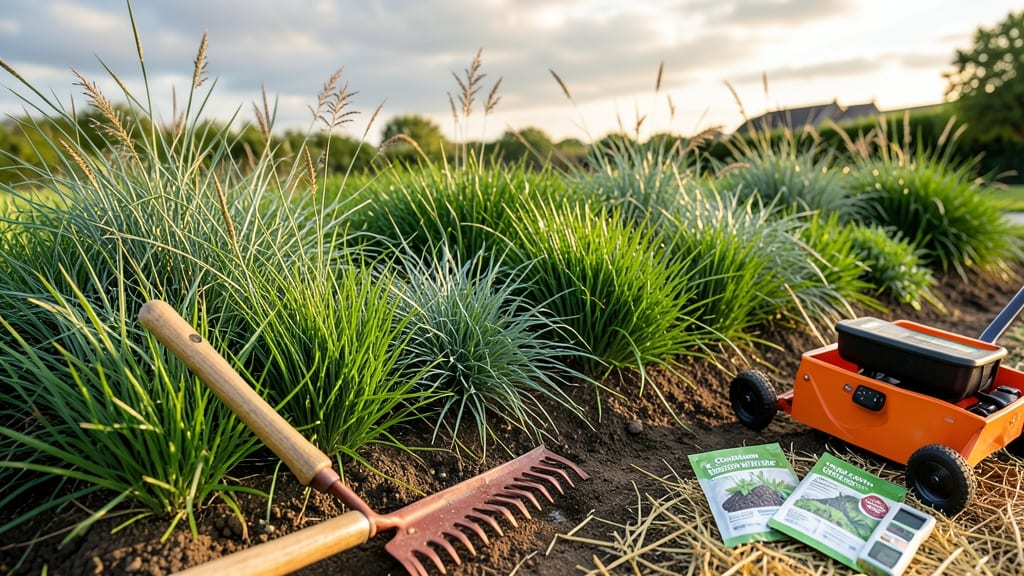
To plant grass seed in Vancouver, aim for early spring (March–April) or early fall (September–October) when frost risks are lowest and soil is workable 🌱.
Planting grass seed in Vancouver’s unpredictable climate can make or break your lush lawn—timing is everything to avoid frost damage or wasted effort.
Vancouver’s mild winters and rainy springs mean grass seed planted too early can rot, while late spring planting risks summer drought. The key is aligning your schedule with the last frost date (usually mid-April) and choosing the right grass variety for your microclimate.
Below, I’ll break down the best months for planting, soil prep tips for Vancouver’s acidic soils, and the top grass types that thrive in this region—whether you’re in a sunny urban yard or a shadier suburban spot.
Best months to plant grass seed in Vancouver’s climate zones
Vancouver’s mild coastal climate (USDA Zone 7b) creates unique challenges for lawn care, with wet springs and summer droughts that demand precise timing. Planting grass seed outside the ideal windows risks frost damage or seed washout—both common pitfalls in this region.
The best approach? Focus on early spring (March-April) or early fall (September-October) when temperatures are stable and rainfall supports germination.
Local weather data shows Vancouver’s last frost typically occurs around April 15, while first frost arrives by October 15. This 165-day frost-free window creates two prime planting opportunities.
Urban areas may experience slightly earlier frosts due to heat island effects, so adjust your schedule if you're in downtown Vancouver. Rural zones near the mountains have cooler microclimates with later spring warming.
Why timing matters: Spring planting gives seeds 6-8 weeks of warm soil before summer drought stress. Fall planting lets grass establish roots before winter dormancy. Both strategies avoid the peak heat of July-August when seeds can bake in the soil or get overwhelmed by weeds.
For spring planting, aim to sow seeds by mid-April when soil temperatures consistently reach 8°C. This gives seedlings time to establish before summer heat arrives. Use a cool-season grass blend like fine fescue or Kentucky bluegrass, which thrive in Vancouver’s climate.
Mulch with straw to protect seeds from heavy spring rains that can wash them away.
Fall planting offers the best success rates in Vancouver because cooler temperatures reduce weed competition and water stress. September is ideal—seeds germinate quickly in warm soil while nights stay cool.
By October 1, switch to dormant seeding (covering seeds with straw) if frost is imminent. This protects young plants until spring.
Local gardeners often ask about August planting. While possible, it requires daily watering (morning and evening) to prevent seed desiccation. Use shade cloth if your lawn gets intense afternoon sun. For best results, pair August planting with pre-emergent herbicides applied in July to suppress weeds.
Vancouver’s acidic soils (pH 5.5-6.5) benefit from a lime application 2-3 months before planting. Test your soil in February to plan accordingly. If you’re overseeding an existing lawn, mow it short (1-1.5 inches) and ra
How to prepare your Vancouver lawn for grass seed planting
Preparing your Vancouver lawn for grass seed planting requires addressing the region’s unique challenges: acidic soils, compacted clay, and persistent weeds. Start by testing your soil’s pH in February or March—Vancouver’s native soils often measure between 5.5-6.5.
If your pH drops below 6.0, apply pelletized lime 2-3 months before planting to create ideal conditions for seed germination.
Next, focus on weed control. Vancouver’s damp climate fosters thick weed growth, especially dandelions and clover. Apply a pre-emergent herbicide in late August (for fall planting) or early March (for spring planting) to prevent weed seeds from sprouting.
For organic options, use corn gluten meal, which also acts as a natural fertilizer.
- 1 Test Soil pH (February-March) using a home test kit or lab analysis. Aim for 6.0-7.0—Vancouver’s acidic soils often need lime adjustment.
- 2 Aerate Compacted Soil (April or September) using a core aerator to create 1/2-inch holes every 2-3 inches. This improves water and nutrient absorption—critical for Vancouver’s heavy clay soils.
- 3 Remove Weeds & Debris by hand-pulling or using a non-selective herbicide (like glyphosate) 2 weeks before planting. Focus on broadleaf weeds that compete with grass seeds.
- 4 Apply Starter Fertilizer (low-nitrogen, high-phosphorus like 5-10-10) to promote root growth. Spread 1/2 lb per 100 sqft and lightly rake into the top 1/4 inch of soil.
- 5 Rake & Level Soil with a bow rake to create a fine, even seedbed. Aim for a smooth surface with no clumps—this ensures even seed-to-soil contact for germination.
- 6 Mulch with Straw (not wood chips) to protect seeds from heavy rains and bird foraging. Use 1/4-inch layer—enough to cover seeds but not smother them.
For existing lawns, mow the grass short (1-1.5 inches) 1-2 days before overseeding. This reduces competition and allows seeds to reach the soil. If your lawn has bare patches, rake them gently to loosen soil and improve seed contact.
Vancouver’s cool, wet springs can lead to fungal issues, so avoid overwatering—keep soil moist but not soggy during germination.
Finally, consider aeration timing. For spring planting, aerate in early April when soil is workable but not waterlogged. In fall, aerate in early September to give roots time to strengthen before winter. This step is especially critical in urban areas where foot traffic compacts soil, reducing seedling success.
With these steps, your Vancouver lawn will be ready for optimal seed germination, setting the stage for a thick, healthy turf that thrives in this region’s unique climate 🌱.