
Plants
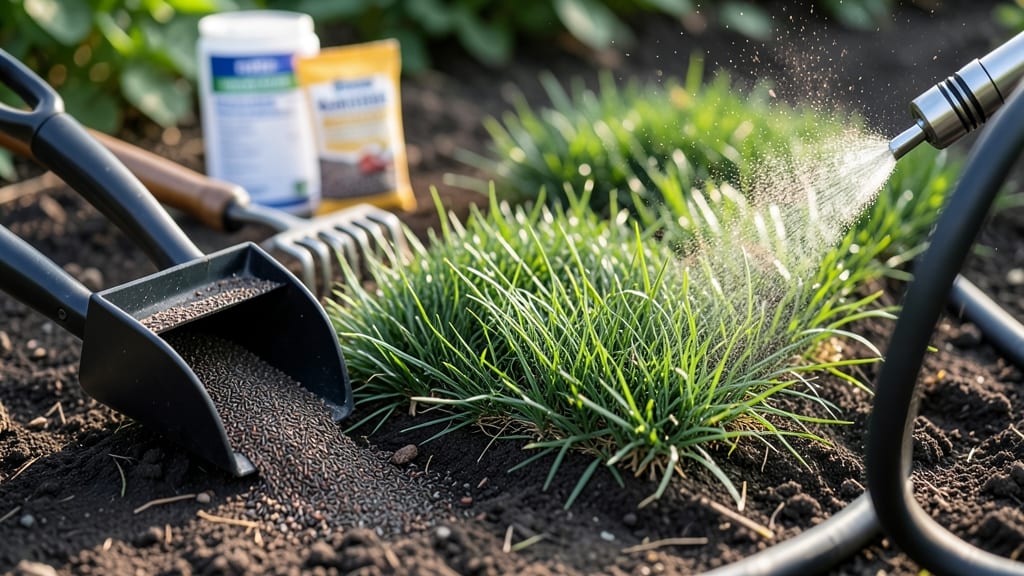
Planting grass seed in Wisconsin spring means timing it 4-6 weeks before your last frost—usually mid-April for southern zones and early May up north—when soil warms to at least 50°F.
Wisconsin’s unpredictable spring weather can turn a perfect lawn into a guessing game—plant grass seed too early and risk frost damage, too late and face summer heat stress. Timing is everything for a lush, resilient lawn.
This guide breaks down the exact frost-free windows by zone, soil readiness tests, and the best grass varieties for Wisconsin’s climate. Whether you’re in Madison’s 5a or Green Bay’s 4b, we’ll help you avoid the two biggest mistakes: planting too soon or waiting too long.
You’ll learn how to check soil temperature, pick the right seed mix, and keep your new lawn thriving through Wisconsin’s wild swings from frost to drought.
Wisconsin spring planting zones: exact frost-free dates by region
Wisconsin’s USDA hardiness zones 3-5 create distinct planting windows for grass seed, where timing directly impacts seedling survival. Northern regions like Green Bay (Zone 4a) face later last-frost dates compared to Madison (Zone 5a), while Milwaukee (Zone 5b) offers earlier opportunities.
Cool-season grasses like Kentucky Bluegrass thrive when planted 4-6 weeks before the last frost, while warm-season varieties like Bermuda Grass need soil temperatures above 65°F.
Understanding your exact last frost date is critical—planting too early risks frost damage, while waiting too long stresses seedlings in summer heat. Wisconsin’s frost-free periods range from 100 days in the north to 150+ days in the south, creating a 4-6 week window for optimal spring planting.
Use these regional benchmarks to align your schedule with nature’s timeline.
🌱 Wisconsin’s frost-free timeline varies dramatically:
| Region & City | USDA Zone | Avg. Last Frost | Planting Window | Grass Type |
|---|---|---|---|---|
| Northern WI (Green Bay, Wausau) | 4a | May 10-15 | April 15-May 1 | Tall Fescue, Perennial Ryegrass |
| Central WI (Madison, Stevens Point) | 5a | May 1-5 | April 1-May 10 | Kentucky Bluegrass, Fine Fescue |
| Southern WI (Milwaukee, Racine) | 5b | April 25-May 1 | March 25-April 15 | All cool-season grasses |
⚠️ Note: Warm-season grasses (e.g., Zoysia) should be planted in late spring (May-June) when soil temps exceed 65°F.
For Milwaukee gardeners (Zone 5b), the ideal window opens as early as late March, while Green Bay’s Zone 4a gardeners should wait until mid-April.
This 4-week difference highlights why local frost data matters—planting Kentucky Bluegrass in Green Bay before April 15 risks frost damage, whereas the same seed thrives in Milwaukee by March 25. Always verify with your local Cooperative Extension Service for year-to-year variations.
Cool-season grasses dominate Wisconsin lawns because they establish roots in spring’s cooler temps (50-65°F) before summer heat arrives. Tall Fescue and Perennial Ryegrass germinate faster in these conditions, giving them a competitive edge over warm-season types.
If you’re planting Bermuda Grass or Zoysia, wait until soil temperatures consistently stay above 65°F—typically late May to early June in most regions.
Wisconsin’s clay-heavy soils can delay warming, so use a soil thermometer to confirm readiness. Aim for 50-65°F at 4 inches deep—this ensures seeds won’t sit in cold, damp soil too long.
In northern zones (4a), where frost lingers, consider fall planting (September) as an alternative. This gives seedlings time to establish before winter without the spring rush.
Pro tip: Overseeding in early fall (late August-September) works for all Wisconsin zones. The 60-day growing window before frost provides ideal conditions for root development. Use this strategy if your spring schedule conflicts with planting timelines—or to fill thin patches in existing lawns.
Regional microclimates add complexity—urban areas like Milwaukee often warm 2-3 days earlier than rural zones due to the heat island effect. If you’re near large bodies of water (e.g., Lake Michigan), expect cooler, slower springs.
Monitor local weather forecasts and adjust your planting date by 1-2 weeks if late frosts are predicted.
For a foolproof approach, align your planting with natural indicators: Dandelions blooming signal soil warmth, while robins nesting confirms insect activity (and thus seedling safety). In Zone 5b (Milwaukee), aim for late March to early April; in Zone 4a (Green Bay), wait until mid-April.
Test soil moisture—it should feel like a wrung-out sponge but not soggy.
Remember: Grass seed needs consistent moisture to germ
Signs your Wisconsin soil is ready for grass seed (not just dates)
Wisconsin’s spring weather can be as unpredictable as a lake breeze, but your soil temperature is the real indicator—not just the calendar. Aim for 50-65°F soil temps, which usually aligns with late April to early May in most zones.
This warmth signals that grass seeds will germinate properly instead of sitting dormant or rotting in cold, wet soil.
Don’t rely solely on frost dates—check for visual cues like dandelions blooming or robins nesting. These signs often mean the ground is thawed and ready for planting. In clay-heavy Wisconsin soils, you may need to wait even longer, as they retain cold longer and can become waterlogged.
🚨 WARNING: Planting too early is riskier than waiting. Cold soil can stunt germination, while late planting may leave your lawn vulnerable to summer heat stress. Here’s what to watch for:
⚠️ Critical Soil Readiness Checks
- Soil temp: Use a soil thermometer—50°F+ at 4" depth is ideal.
- Moisture test: A handful of soil should crumble when dry, not stick together.
- Frost risk: Wait until 3 weeks after last frost to avoid seed washout.
- Clay soil? Amend with compost or sand to improve drainage.
🌱 Pro Tip: Test soil in the morning—it’s cooler then and gives a more accurate reading.
For early springs, like those in southern Wisconsin, you might plant as early as mid-March if soil temps are stable. In northern zones (4a)**, wait until late May to avoid late frosts. Always prioritize soil warmth over calendar dates—your grass seeds will thank you with faster, healthier growth.
If your soil feels too wet or cold, delay planting and focus on prepping the area. Rake out debris, loosen compacted soil, and consider a light mulch layer to warm the ground faster. Patience now means a thicker lawn later, especially in Wisconsin’s unpredictable climate.
Once your soil passes these checks, act quickly—grass seeds germinate best in consistent moisture. Water lightly daily (about ¼ inch) until you see sprouts, then increase to 1-1.5 inches per week. Avoid overwatering, which can wash seeds away or cause fungal issues.
Wisconsin’s spring is a short window for perfect lawns, but these signs take the guesswork out of timing. Trust your soil—not just the weather report—to give your grass the best start possible. 🌱