
Planting
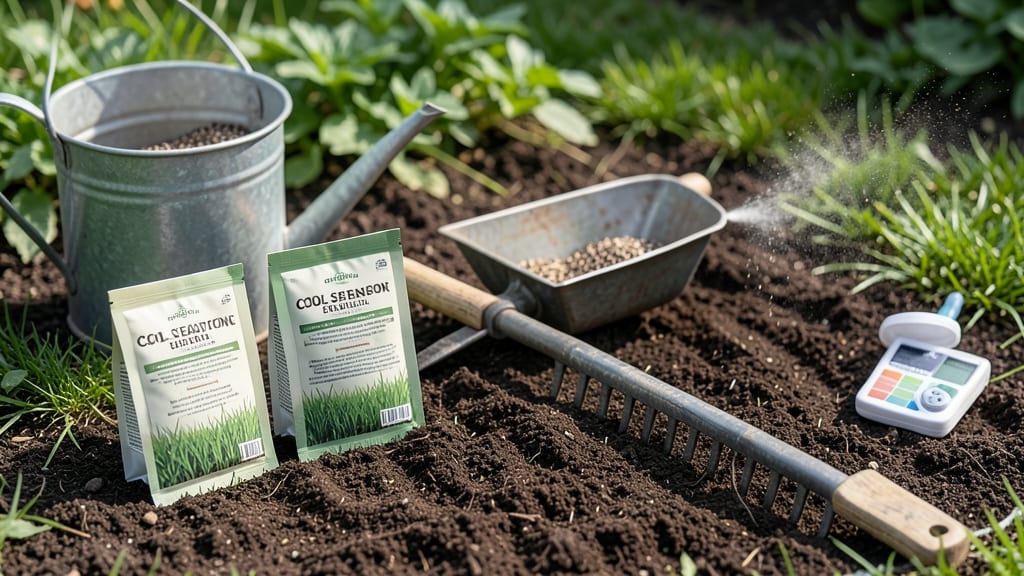
Planting grass seed in Massachusetts at the right time means the difference between a vibrant, weed-free lawn and a frustrating, patchy mess—so timing matters more than you might think.
Picture this: you’ve spent hours preparing your soil, choosing the perfect seed blend, and even marking the rows. But if you plant too early, frost zaps the germination.
Too late, and weeds steal the show. One wrong move, and you’re staring at a yard that looks more like a science experiment than a lawn.
Massachusetts’ 5b-6b climate gives you two ideal windows: early spring (March–April) or early fall (September–October). But here’s the catch—coastal areas like Boston have different frost dates than inland spots, and soil temperature plays a bigger role than most gardeners realize.
In this guide, I’ll break down the exact deadlines for each season, how to prep your soil for maximum germination, and why fall planting often wins over spring. No guesswork—just the best strategy for your Massachusetts yard.
Massachusetts spring grass seed planting deadlines: avoid these critical mistakes
Spring is the most popular time for planting grass seed in Massachusetts, but timing is everything. Plant too early, and your seeds may rot in cold, wet soil. Plant too late, and weeds will outcompete your tender sprouts.
The ideal window is when soil temperatures consistently reach 50-65°F, which typically falls between mid-March and early May—but this varies by region.
Coastal areas like Cape Cod and Boston often warm up earlier, giving you a 2-3 week head start compared to inland zones like Worcester or the Berkshires.
Always check your local last frost date (usually mid-April) and wait 2 weeks after before planting to avoid frost damage to young seedlings.
Soil temperature is your best indicator, not air temperature. Use a soil thermometer to confirm readiness—50°F is the minimum for germination, but 60-65°F is ideal for most cool-season grasses like Kentucky Bluegrass and Fine Fescue, which dominate Massachusetts lawns.
Here’s the critical timeline to follow for spring planting success:
| Region | Optimal Planting Window | Soil Temp Requirement | Critical Mistake to Avoid |
|---|---|---|---|
| Coastal (Boston, Cape Cod) | Early March – Mid-April | 50–60°F | Planting before March 15 risks frost damage |
| Inland (Worcester, Springfield) | Late March – Early May | 55–65°F | Planting after May 1 invites weed competition |
| Western MA (Berkshires) | Mid-April – Late April | 60–65°F | Cold, wet springs delay germination past 30 days |
| All Regions | 2 weeks before/after last frost | 50–65°F | Skipping soil prep (compacted or rocky soil) |
One of the biggest mistakes I see in Massachusetts is planting too early, often in February or early March. While it might seem like a good idea to get a head start, seeds planted in cold, wet soil will rot before they even sprout.
Always wait until you can dig 6 inches deep and feel soil warmth—this is your cue that conditions are right.
Another common error is overlooking weed competition. If you plant after mid-May, weeds like crabgrass and chickweed will have already established themselves. These invaders steal nutrients and shade out your grass seedlings, leading to a patchy, weak lawn.
To combat this, apply a pre-emergent herbicide 2 weeks before planting, then follow up with a post-emergent treatment if weeds appear.
Don’t forget to prepare your soil properly. Massachusetts soil can be compacted or rocky, especially in urban areas. Use a garden fork to loosen the top 4–6 inches of soil and mix in 2–3 inches of compost to improve drainage and fertility.
Rake the area smooth afterward to create a firm seedbed—this helps seeds make good contact with the soil for even germination.
Once you’ve planted, consistent watering is non-negotiable. New grass seeds need 1/2 inch of water per week (or daily light watering for the first 2 weeks) to establish roots.
Use a sprinkler with gentle rain setting to avoid dislodging seeds, and water in the early morning to reduce evaporation and fungal risks.
If you’re in a drought-prone area like Western Massachusetts, consider using drought-tolerant varieties like Tall Fescue or Fine Fescue, which handle dry spells better than Kentucky Bluegrass. These types also recover faster from foot traffic, making them ideal for families with kids or pets.
Finally, resist the urge to mow too soon. Wait until your grass reaches 3–4 inches tall before the first mow—this ensures roots are deep enough to support growth. Set your mower blade to 3 inches to encourage a dense, shade-tolerant turf that outcompetes weeds naturally.
Fall planting advantages in Massachusetts: why most experts prefer this window
Fall planting often gives Massachusetts gardeners the edge over spring—and for good reason. When you plant grass seed between late August and early October, you tap into cooler soil temperatures that encourage strong root development before winter dormancy.
This means your lawn establishes itself more quickly and resiliently than spring plantings, which often face weed competition and heat stress.
In my experience, fall plantings also benefit from reduced weed pressure because weeds struggle to germinate in the cooler months. Plus, the soil stays moist longer from autumn rains, cutting down on your watering workload.
For Massachusetts homeowners, this translates to less maintenance and better results—especially in regions like Boston where summers can be hot and dry.
But here’s the catch: Timing matters. In Western Massachusetts, where nights cool faster, you can push planting into early October. However, in coastal areas like Boston and Cape Cod, aim to finish by mid-September to avoid early frost.
The key is planting 4-6 weeks before your first frost date, giving seeds time to germinate and roots to establish.
Fall Planting in Massachusetts: Pros & Cons
- Cooler soil promotes root growth
- Less weed competition in autumn
- Moist soil from fall rains
- Stronger lawn by springtime
- Early frost risk in late October
- Shorter window than spring
- Requires prep for winter protection
Best for: Cool-season grasses like Kentucky Bluegrass and Fine Fescue
Another advantage of fall planting is that grass seeds germinate faster in the 60-75°F soil typical of late summer/early fall. This means you’ll see visible growth within 2-3 weeks, compared to spring plantings that can take 4-6 weeks to show results.
For Massachusetts lawns, this early start sets the stage for a denser, healthier turf by next spring.
To maximize success, I recommend preparing your soil in late summer—remove debris, loosen the top 4-6 inches, and add compost or organic matter to improve drainage. Then, plant seeds in late August or September, cover lightly with straw, and keep the area consistently moist until germination.
This approach ensures your lawn gets a head start before winter sets in.
If you’re still unsure, remember: Fall planting isn’t just a backup plan—it’s often the superior choice for Massachusetts’ climate. With the right timing and care, you’ll end up with a lawn that’s greener, stronger, and more resilient than one planted in spring. And who doesn’t want that? 🌱