
Plants
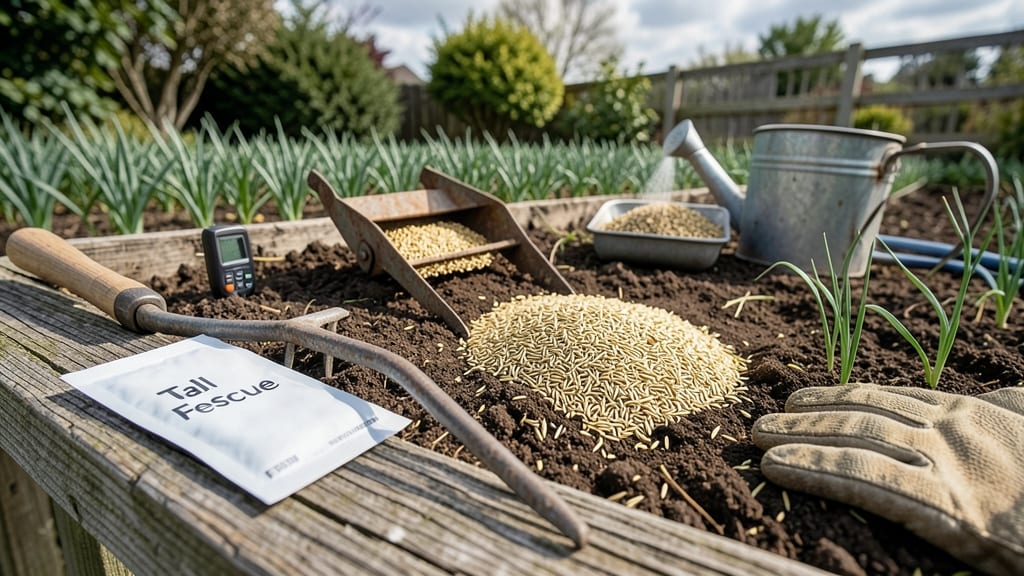
The best time to plant grass seed in Georgia is during early spring or late summer when soil temperatures hover between 60-75°F—skipping these windows risks weak germination or summer stress.
Georgia’s hot summers and humid climate can turn grass seed into a costly gamble if planted at the wrong time—yet timing it right guarantees a lush, weed-resistant lawn that thrives year-round.
Cool-season grasses like tall fescue and ryegrass need those perfect spring or fall windows to establish deep roots before heat or drought strikes. In Zone 7a-8b, aim for March-April or August-September, when morning dew gives seedlings a fighting chance.
Below, I break down the exact deadlines by region, soil prep secrets, and the top 3 grass varieties that outperform weeds in Georgia’s heat—so you can skip the guesswork and plant with confidence.
Georgia’s optimal grass seed planting windows: cool season deadlines by region
Georgia’s climate demands precision when planting grass seed—cool season grasses like tall fescue and ryegrass thrive in 60-75°F soil, but timing varies dramatically between North Georgia (Zone 7a-7b) and Central/South Georgia (Zone 8a-8b).
Plant too early, and summer heat will stress seedlings; too late, and winter dormancy risks poor root establishment. Let’s break down the exact windows for each region, including soil temperature thresholds and microclimate exceptions.
In North Georgia (Zone 7a-7b), where cooler nights linger, your best window is mid-August to early October. This aligns with soil temperatures dropping below 80°F—critical for germination. Meanwhile, Central/South Georgia (Zone 8a-8b) can push planting slightly later, up to mid-October, thanks to milder winters.
Both regions also allow a secondary spring window (March-April), but success hinges on avoiding late frosts that can damage tender seedlings.
Here’s the key distinction: North Georgia’s shorter growing season means you must plant by September 15th to ensure roots establish before first frost (late October). In Zone 8a-8b, you have until October 15th—but only if soil temps stay above 60°F.
Use a soil thermometer to verify; planting when temps dip below 55°F risks slow germination and fungal diseases like pythium.
Microclimates add another layer of complexity. For example, North Georgia’s mountain regions (e.g., Blue Ridge) can plant 2 weeks earlier than valley areas due to cooler microclimates.
Conversely, South Georgia’s coastal plains may extend fall planting into early November if soil stays warm. Always check local frost dates—your county extension office has precise data.
Late summer exceptions exist for shade-tolerant varieties like fine fescue. These can handle slightly warmer soil (up to 80°F) and may be planted as late as September 30th in Zone 7a-7b. However, avoid late August plantings unless you’re using ryegrass blends, which germinate faster in heat.
For most cool season grasses, early September is the sweet spot—balancing soil warmth and reduced weed competition.
Preparing your soil is just as critical as timing. In Georgia’s clay-heavy soils, amend with compost or peat moss to improve drainage, and test pH (6.0-7.0) for optimal nutrient uptake.
Overlook this, and your seed may struggle to establish, even with perfect timing. Rake lightly after planting to ensure seed-to-soil contact, then keep the surface moist but not soggy—a light mulch of straw helps retain moisture.
Watering follows a strict schedule post-planting: daily light watering for the first 2 weeks, then deep watering 2-3x weekly to encourage deep root growth. Avoid overwatering, which can lead to fungal diseases like dollar spot.
In Zone 8a-8b, reduce watering in late fall as rainfall increases, but keep soil slightly moist until first frost.
Pro tip: Use a pre-emergent herbicide like pendimethalin 2 weeks before planting to block crabgrass and nutsedge. In North Georgia, apply by mid-Aug
5 Critical mistakes killing Georgia grass seed success (and how to avoid them)
Planting grass seed in Georgia’s clay-heavy soils and humid climate is tricky—even small mistakes can leave you with patchy lawns or weed infestations. The biggest culprit? Ignoring the 60-75°F soil temperature window, which is critical for germination.
Too hot or too cold, and your seed just sits there, waiting for the perfect moment that never comes.
Another common mistake is skipping soil testing. Georgia’s acidic soils (pH often below 6.0) can block nutrients, stunting grass growth. Without adjusting pH, even the best seed struggles to establish.
Then there’s the weed competition—especially nutsedge, which thrives in Georgia’s heat and outcompetes young grass if not controlled pre-emergent.
Here’s the hard truth: 3 out of 4 new lawns fail because of these avoidable mistakes. Let’s fix that by targeting the top 5 pitfalls and how to sidestep them—starting with the most critical one.
⚠️ WARNING: Planting Outside the 60-75°F Window
Georgia’s Zone 7a-8b climate demands precision. Planting in late summer (June-July) or winter (December-February) stresses seedlings, leading to slow growth or death. Use a soil thermometer—if temps exceed 80°F, wait for fall.
Pro Tip: North Georgia (Zone 7a) can plant 2 weeks earlier than South Georgia (Zone 8b). Aim for March 15-April 15 in spring or August 15-September 15 in fall.
Next up: poor soil prep. Many gardeners till their clay soils without amending them, leaving grass seed buried under compacted layers. Georgia’s clay expands when wet and cracks when dry—ideal for nutsedge but terrible for grass roots.
The fix? Add 2-3 inches of compost and gypsum (10 lbs per 100 sqft) to break up compaction before seeding.
Don’t overlook pre-emergent herbicides. Applying them 2-4 weeks before seeding stops weeds like nutsedge and crabgrass from stealing nutrients. Skip this step, and you’ll spend the next year pulling weeds instead of enjoying your lawn. For Georgia, pendimethalin or prodiamine are top choices—just follow label rates.
Finally, overwatering or underwatering kills more grass than any other factor. New seedlings need 1/2 inch of water weekly, but Georgia’s heat demands morning watering (before 10 AM) to prevent fungal diseases. Use a rain gauge—most sprinklers overapply, leading to runoff and shallow roots.
By avoiding these 5 mistakes, your Georgia lawn will establish 2-3x faster and outcompete weeds naturally. Start with soil testing, time your planting, and keep weeds at bay—your future self (and your lawn) will thank you. 🌱