
Plants
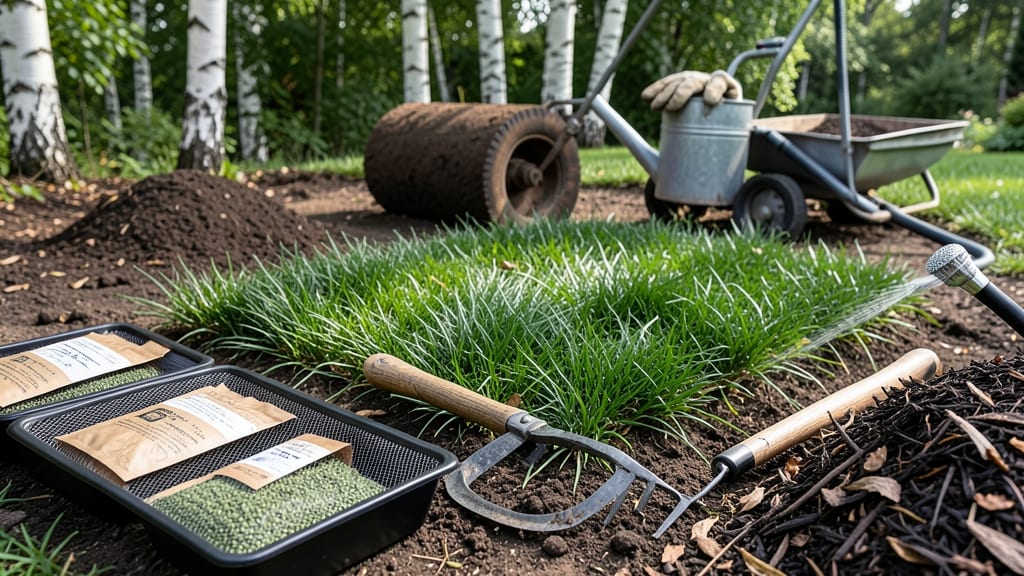
The best time to plant grass seed in Wisconsin is early spring or early fall, when soil temperatures hit 50–65°F and frost risks drop—but getting it wrong can mean wasted effort and patchy lawns.
Wisconsin’s unpredictable climate—from harsh winters to sudden spring freezes—can turn grass seeding into a high-stakes gamble. Plant too early, and frost kills your efforts; too late, and weeds steal your lawn’s spotlight. Timing isn’t just critical; it’s the difference between a lush, frost-resistant lawn and years of frustration.
Cool-season grasses like Kentucky bluegrass thrive when seeded in April–May or August–September, but northern Wisconsin’s 4a–5b zones demand extra caution. Southern regions can push the window slightly later, but soil prep and weather checks are non-negotiable for success.
Below, I break down the exact windows by region, soil prep steps, and the top 3 grass varieties that survive Wisconsin’s extremes—so you can finally get that thick, green lawn without the guesswork.
Wisconsin’s optimal grass-seeding windows: cool-season deadlines by month
Wisconsin’s climate demands precision when planting grass seed. The cool-season grasses like Kentucky bluegrass and tall fescue thrive in 50–65°F soil temperatures, making timing everything. Miss the window, and you risk weed competition or frost damage—both lawn killers.
Northern Wisconsin’s shorter growing season (USDA zones 3a–4b) shifts deadlines earlier than southern Wisconsin’s zone 5a–5b. Here’s how to align your planting with Wisconsin’s two prime windows: early fall and spring.
⚠️ CRITICAL: Avoid planting when soil temps exceed 70°F—this stresses seeds. Use a soil thermometer to check before seeding.
Early fall is Wisconsin’s golden window for grass seeding. Why? Seeds germinate in cool but stable temps, outpacing weeds. Roots establish before winter, giving your lawn a 3–4 month head start in spring.
Aim for 6–8 weeks before first frost—typically late August to mid-September in northern WI and mid-August to early October in southern WI.
Spring planting is riskier due to late frosts (common until mid-May in northern WI). Wait until soil warms consistently above 50°F—usually mid-April in southern WI but May in the north. Use a frost clock from your local UW Extension office for precise dates.
Southern Wisconsin’s longer frost-free season (up to 200 days) buys extra time. If you miss fall, seed in early April—but monitor NOAA frost alerts daily. Northern WI gardeners should prioritize fall seeding to avoid spring’s drought stress and weed competition.
Pro tip: Over-seed in fall if your lawn has bare patches. Cool-season grasses like fine fescue germinate faster in 55–60°F soil, giving them an edge over weeds. Just avoid seeding after October 15th—new growth won’t harden off before winter.
For northern WI lawns, extend your fall window by using winter ryegrass as a temporary cover. It germinates in 40°F soil and protects bare soil until your perennial grasses establish. Plant ryegrass in late September and transition to Kentucky bluegrass in spring.
Always check 7-day forecasts before seeding. Skip days with rain or high winds—seeds need direct soil contact to germinate. Use a lightweight straw mulch to retain moisture and deter birds.
Remember: Fall seeding = fewer weeds, stronger roots. Spring planting is a second-choice strategy. With Wisconsin’s unpredictable weather, timing isn’t just about months—it’s about soil temps, frost dates, and microclimates. Plan ahead, and your lawn will thank you for years.
How to prepare your Wisconsin lawn for seeding success: soil, weather, and pre-planting checklist
Before you even think about spreading grass seed in Wisconsin, your lawn needs a solid foundation. The right soil prep and weather timing can mean the difference between a thick, green lawn and a patchy disappointment.
Start by testing your soil’s pH level—aim for 6.0–7.0—since most Wisconsin grasses thrive in slightly acidic to neutral soil. If your soil is compacted or clay-heavy, consider amending it with compost or sand to improve drainage and aeration.
Weed control is another critical step. Use pre-emergent herbicides 2–4 weeks before seeding to block weeds, but avoid post-emergent sprays that could harm your new grass. For stubborn weeds, manual removal with a hand weeder or cultivator works best right before planting.
Clear all debris, rocks, and old plant matter to give your seed direct contact with the soil.
⚠️ callout warning
Rain: Heavy rain within 24–48 hours of seeding can wash seeds away or cause soil erosion. Wait for dry, calm weather for at least 3 days.
Extreme Heat: Temperatures above 85°F can dry out seeds before germination. Plant in early morning or late afternoon to reduce stress.
Frost Risk: Never seed if a frost warning is issued. Use the NOAA Frost Probability Tool or check your local UW Extension office for safe windows.
Next, till the soil to a depth of 2–3 inches to loosen compacted layers and create a seed-friendly bed. For large lawns, rent a rototiller, while smaller areas can be worked with a broadfork.
After tilling, rake the soil smooth to eliminate clumps and create a fine, crumbly texture—this ensures even seed-to-soil contact for uniform germination. Level any low spots to prevent water pooling, which can lead to fungal diseases or seed rot.
Monitor the 7-day forecast using tools like the NOAA Climate Prediction Center or your local Cooperative Extension Service. Look for a stretch of consistent temperatures between 50–65°F and minimal rain.
In Wisconsin, this often aligns with late April–early May or mid-August–early September. Pro tip: Bookmark the Wisconsin State Climatology Office for real-time updates on frost and heat advisories.
Once your soil is prepped, conduct a final moisture check. The top 1–2 inches of soil should be damp but not soggy. If it’s too dry, water lightly the day before seeding to encourage quick germination.
Use a sprinkler set to a fine mist to avoid displacing seeds. After planting, keep the soil consistently moist—not waterlogged—for the first 2–3 weeks to support root establishment.
Finally, create a pre-planting checklist to avoid last-minute mistakes:
- ✅ Test soil pH (adjust if needed)
- ✅ Remove all weeds and debris
- ✅ Till and rake soil to 2–3 inches deep
- ✅ Check 7-day weather forecast
- ✅ Water lightly if soil is dry