
Plants
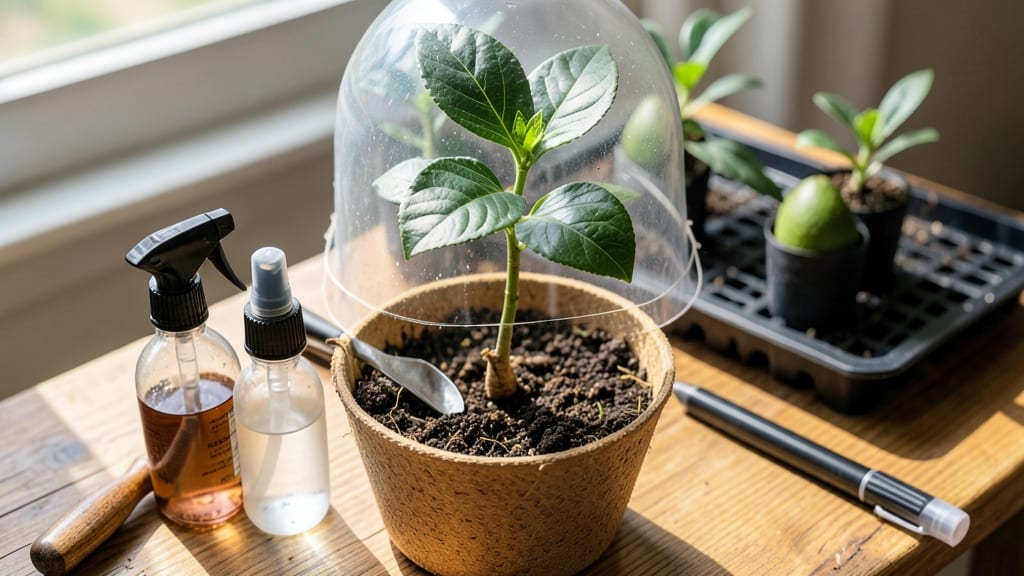
Planting an avocado seed into soil at the right time is the key to avoiding rot and unlocking fast sprouting—aim for when soil temperatures hit 70°F or warmer.
You’ve probably heard that avocado trees take years to fruit, but the real challenge starts much sooner: getting that seed to sprout at all. Too early, and it’ll sit damp and moldy; too late, and you’ll miss the spring heat window that triggers those first roots to form.
Whether you’re starting indoors or outdoors, timing depends on your climate. In USDA Zone 6a (like much of the Midwest), wait until after your last frost—typically mid-May—while tropical zones can plant year-round.
Below, I’ll break down the exact cues to watch for, plus how to prep your seed for the best shot at success.
You’ll learn how to test soil warmth, adjust for indoor vs. outdoor starts, and spot the signs of a seed ready to root—no guesswork involved. Let’s get that 🥑 seed growing!
Optimal soil planting times for avocado seeds based on climate zones
Timing your avocado seed planting is critical—soil temperature is the real game-changer, not just calendar dates. Avocado seeds need consistent warmth (70°F+) to germinate, making spring the ideal window in most regions.
But tropical zones (like Florida or Hawaii) can plant year-round, while colder climates (like USDA Zone 6) need to wait until after the last frost. Let’s break it down by your climate zone for foolproof success.
First, check your local frost dates. Planting too early in cooler zones risks rot from cold soil, while waiting too long delays growth. For USDA Zones 9-11, you can plant anytime—just ensure soil stays warm.
In Zones 3-8, aim for late spring (after May 15) when soil hits 60°F+ and nighttime temps stay above 50°F. Use a soil thermometer to avoid guesswork!
| Climate Zone | Ideal Planting Window | Soil Temp Trigger | Regional Adjustments |
|---|---|---|---|
| Zones 3-5 | Late May–June | 65°F+ (use black plastic mulch) | Start indoors in March; transplant after last frost. |
| Zones 6-7 | April–May | 60°F+ (wait for nighttime warmth) | Avoid planting before May 15—frost kills seedlings. |
| Zones 8-9 | March–April | 65°F+ (spring rains help) | Can plant as early as February in microclimates. |
| Zones 10-11 | Year-round | 70°F+ (tropical conditions) | Best in fall/winter to avoid summer drought stress. |
For temperate climates (Zones 3-8), I recommend pre-germinating your seed indoors in water (toothpick method) 4-6 weeks before your target outdoor planting date. This gives roots a head start—critical for surviving transplant shock.
Once roots reach 2-3 inches, transfer to well-draining potting mix and harden off for 7-10 days before moving outdoors.
In tropical zones (Zones 10-11), you can plant directly into warm soil year-round, but fall planting (September–November) often yields faster growth. The key is avoiding summer heatwaves, which dry out soil quickly.
Mulch heavily with straw or wood chips to retain moisture and mimic the seed’s natural forest-floor environment.
Pro tip: If you’re in a transition zone (Zone 8-9), like coastal California or the Deep South, monitor soil moisture closely. These areas can swing from freezing nights to 90°F days—plant in early spring and use row covers for late frosts.
For Zone 7, wait until after Memorial Day to ensure soil stays above 55°F.
Never plant avocado seeds in cold, wet soil—they’ll rot within days. Instead, use a heat mat (for indoor starts) or black plastic mulch (for outdoor beds) to raise soil temperature 5-10°F.
This trick works wonders in Zone 6 gardens where spring arrives late. Pair it with a south-facing spot to maximize sunlight exposure.
Remember, avocado seeds germinate slowly (weeks to months), so patience is key. Track your seed’s progress with a clear container to watch root development. Once you see 1-inch roots, it’s time to plant—just before active growth begins.
This timing ensures your seedling has energy to establish roots before summer heat sets in.
For container gardening, plant anytime the soil is warm, but spring (March–May) is still ideal. Use a fast-draining mix (50% potting soil, 30% perlite, 20% compost) to prevent root rot.
If you’re in Zone 5 or colder, grow your seedling indoors until it’s 3 feet tall, then transplant after the last frost date.
Final rule: Soil temperature > calendar date. Always prioritize warmth over tradition. Use a soil thermometer ($10 at garden centers) to confirm readiness. Plant when the soil hits 70°F+ for 3+ days, and your avocado seed will thank you with rapid, healthy growth. 🌱
How to prep your avocado seed for faster sprouting before planting
Pre-germinating your avocado seed is the secret to skipping the slow 2-3 month wait for sprouting. The toothpick method creates tiny air pockets that trigger root growth in just 2-4 weeks—here’s exactly how I do it.
Start by cleaning your seed thoroughly with warm water to remove any fruit residue, then let it dry for 24 hours to prevent mold.
Next, insert 3-4 toothpicks evenly around the seed’s middle, spacing them 1/4 inch apart. This creates a stable cradle for suspending the seed over water. Use a glass jar or clear container so you can monitor water levels and root development without disturbing the seed.
Fill the container with room-temperature water until it covers 1/3 of the seed. Change the water every 2-3 days to prevent bacterial growth. Place the jar in a warm spot (70-75°F) like near a sunny window or under a grow light for 12+ hours daily.
When to Plant Your Avocado Seed into Soil
- 🌱 Roots reach 2-3 inches (usually 2-4 weeks after toothpick setup)
- 🌡️ Soil temperature ≥70°F (test with a soil thermometer or wait until last frost has passed)
- ☀️ Stable daytime temps 65°F+ (avocado seeds need warmth to avoid shock)
- 🌿 Seedling shows first leaves (indicates it’s ready to handle soil nutrients)
- 📅 Spring planting window (March-May in most US zones; adjust for tropical climates)
Once your seed develops 2-3 inch roots, it’s ready for soil—but don’t rush! Wait until your last frost date has passed and soil temperatures stay above 70°F for consistent growth. For indoor starts, transition the seedling to a 4-6 inch pot with well-draining potting mix before moving outdoors.
Choose a lightweight, breathable container (like terracotta) to prevent root rot. Mix cactus/succulent soil with perlite (50/50 ratio) for optimal drainage. Plant the seed 1/3 deep, leaving the top half exposed to sunlight.
Water gently until moisture reaches the roots, then let the top inch dry between waterings to avoid soggy soil.
After planting, place your seedling in bright indirect light for 1-2 weeks to acclimate, then gradually introduce it to direct sunlight. Monitor for yellowing leaves (overwatering) or drooping stems (underwatering), adjusting care as needed. With this prep, your avocado seed will sprout 2-3 times faster than if planted dry!