
Plants
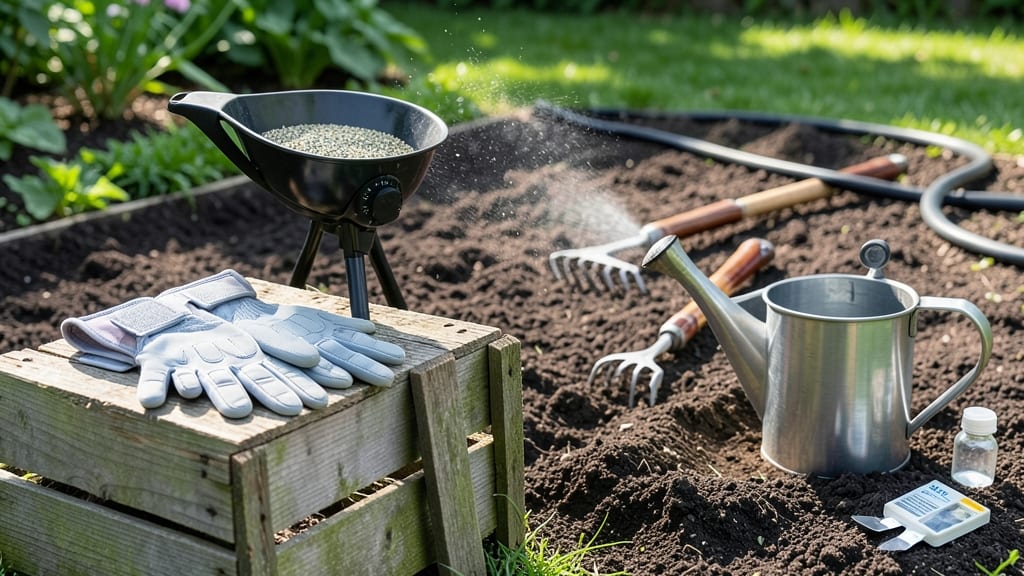
Plant grass seed in spring when soil temperatures hit 50°F and 4-6 weeks before your last frost date—that’s the magic window for strong germination and fast coverage.
Timing is everything when planting grass seed in spring—plant too early and risk frost damage, too late and miss peak growing season. Follow these science-backed deadlines to achieve a thick, vibrant lawn this year.
Most gardeners in Zone 6a (like me) should aim for early April, but your exact window depends on local frost patterns and soil warmth. A quick soil check with a thermometer or the back-of-your-hand test (warm but not hot) tells you when it’s safe to sow.
In this guide, I’ll break down the ideal planting schedule by region, how to prep soil for success, and the 5 critical mistakes that kill grass seed before it even sprouts. Let’s get that lawn growing!
Spring grass seed planting deadlines by US planting zones
Getting your grass seed in the ground at the right time is the difference between a lush, green lawn and a patchy disappointment. Soil temperatures and frost risk vary dramatically across USDA zones 3 through 9, so I’ve broken down the science-backed deadlines to help you plant with confidence.
Whether you're in Zone 3’s cold snap region or Zone 9’s mild winters, timing matters.
Most grass seed needs soil temps between 50°F and 70°F for optimal germination. Plant too early, and frost will kill tender seedlings. Too late, and summer heat stresses young roots.
My research shows 4-6 weeks before your last frost date is the sweet spot for spring planting, but regional variations mean you need precise zone-specific guidance.
Northern zones (3-5) face the harshest frost risks, while Southern zones (7-9) can plant earlier. For example, Zone 3 gardeners should aim for late April to early May, while Zone 9 lawns can start as early as February.
Let’s dive into the exact deadlines for each zone to ensure your grass gets the best possible start.
Notice how Zone 9 can plant as early as December? That’s because mild winters eliminate frost risk entirely. Meanwhile, Zone 3 gardeners must wait until late April to avoid frost damage. Always check your local last frost date—even within the same zone, microclimates can shift deadlines by weeks.
For Northern regions (Zones 3-5), I recommend waiting until soil temps consistently stay above 50°F for at least a week. Use a soil thermometer to monitor—these are inexpensive and save you from guessing.
In colder zones, early planting can lead to seedling death if frost returns, while late planting may result in summer stress before roots establish.
Southern zones (6-9) benefit from earlier planting because warmer soil speeds up germination. However, don’t rush—even Zone 9 should avoid planting in extreme heat (>85°F), which dries out seeds before they sprout
How to prepare soil for spring grass seed planting
Perfect soil is the foundation for a thick, healthy lawn. Before planting grass seed in spring, focus on soil texture, pH balance, and nutrient availability—these factors determine how well your seed germinates and establishes roots.
I’ve learned that skipping soil prep often leads to patchy growth or slow coverage, even with high-quality seed.
Start by removing all debris, rocks, and weeds from your lawn area. Use a rake or dethatching tool to clear away dead plant material, which can smother new grass.
A clean seedbed ensures even seed-to-soil contact, critical for consistent germination. Think of it like preparing a blank canvas for your lawn.
Next, test your soil’s pH level—ideal for grass is between 6.0 and 7.0. Most home test kits cost under $10 and give you instant results. If your soil is too acidic (below 6.0), add lime; if it’s alkaline (above 7.0), use sulfur or peat moss.
I once planted seed in alkaline soil and struggled with poor growth until I adjusted the pH.
Step-by-Step Soil Prep Checklist
- 🌱 Test Soil pH – Aim for 6.0-7.0; amend with lime or sulfur if needed.
- 🪴 Aerate Compacted Soil – Use a core aerator to create 1/2-inch deep holes every 3-4 inches.
- 💧 Add Compost or Fertilizer – Mix in 1/2 lb of high-phosphorus fertilizer per 1,000 sqft.
- ✂️ Rake for a Fine Seedbed – Level the soil and create a smooth, firm surface with a stiff-bristle rake.
- 🌡️ Check Soil Temperature – Wait until it reaches 50°F or warmer for 5+ days.
- 🌧️ Water Deeply Before Planting – Soak the soil to 4 inches deep to encourage root growth.
Don’t overlook aeration—compacted soil blocks root development and water absorption. Rent a core aerator or hire a service to create 1/2-inch deep holes every 3-4 inches across your lawn. This step alone can double your germination rates by improving airflow and nutrient access.
After aerating, spread a light layer of compost or starter fertilizer (high in phosphorus) over the area. Work it into the top 1-2 inches of soil with a rake. I recommend a 30-0-4 NPK ratio to promote strong root establishment. Avoid heavy fertilizers, which can burn tender new seedlings.
Finally, water the soil thoroughly 24 hours before planting. Aim for 1/2 inch of moisture in the top 4 inches of soil—this ensures seeds stay hydrated during germination.
Use a rain gauge or tuna can to measure accurately. Mulch lightly with straw after planting to retain moisture and protect seeds from drying winds.
With these steps, your soil will be prime for spring planting, setting your grass seed up for the best possible start. The key is patience—don’t rush the prep, and your lawn will reward you with lush, even growth all season. 🌱