
Plants
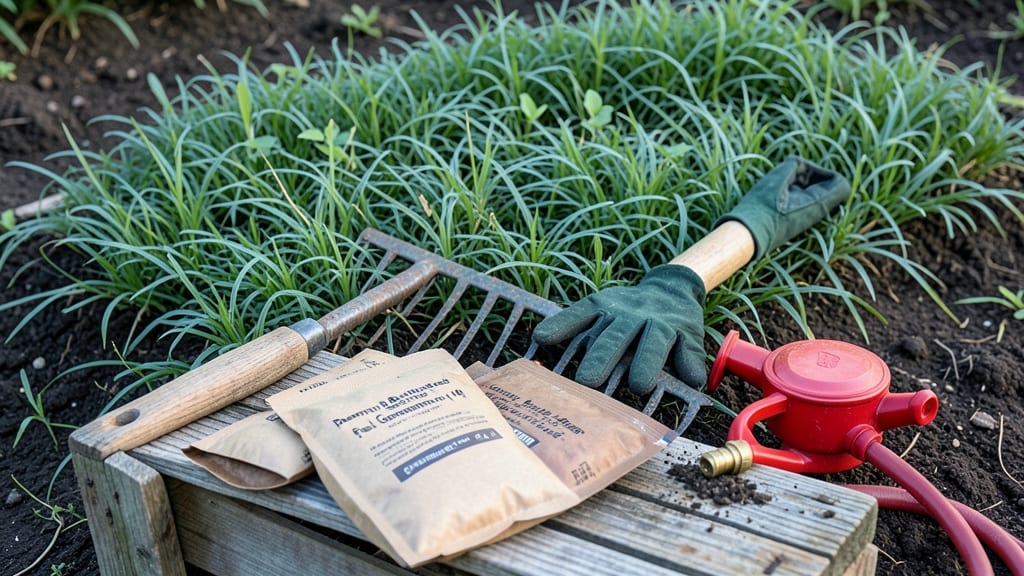
Planting Bermuda seed in North Texas at the right time ensures a thick, heat-loving lawn that stays green all summer 🌱 — and missing that window means thin patches and weak roots.
Most gardeners assume spring is the only option, but the brutal Texas heat actually makes late summer the better choice for faster germination and stronger establishment.
North Texas’ 7b-8b climate demands precise timing: soil must be at least 65°F, and planting too early risks frost damage while waiting too long means struggling with drought.
Below, I break down the exact months (with regional adjustments for Dallas, Fort Worth, and Waco), soil prep secrets, and watering tricks to guarantee your Bermuda grass takes root before the next heatwave hits.
Best months to plant Bermuda seed in North Texas (with exact dates)
North Texas’ intense summer heat and clay-heavy soil demand precise timing for Bermuda grass seed. Plant too early, and frost will kill tender sprouts. Too late, and drought stress weakens germination.
The sweet spot balances soil warmth, rainfall patterns, and local microclimates like Dallas’ urban heat islands versus Waco’s drier conditions.
Bermuda thrives in USDA Zones 7b-8b, where soil temperatures must stay above 65°F (18°C) for consistent germination. Dallas typically hits this by mid-March, while Waco lags until late March. Fort Worth falls in between, with early April being the safest bet for most yards.
Spring planting (March-April) offers cooler soil and steady rainfall, but requires vigilance against late frosts that can linger until mid-April. Summer planting (August-September) avoids frost entirely but faces scorching temperatures that demand extra watering. Let’s break down the tradeoffs in this comparison table.
| Planting Window | Ideal Dates (North Texas) | Soil Temp Requirement | Rainfall Needs | Key Advantages | Potential Risks |
|---|---|---|---|---|---|
| Spring Planting | March 15 - April 15 | 65°F+ (18°C+) | 2-3 inches/week | Cooler soil, steady germination | Late frost damage (before April 15) |
| Late Summer Planting | August 1 - September 15 | 70°F+ (21°C+) | 1-2 inches/week (deep watering) | Avoids frost, faster establishment | High water demands, heat stress |
| Microclimate Adjustments | Dallas: 1 week earlier Waco: 1 week later |
Urban areas: +5°F warmer | Dallas: Higher humidity Waco: Drier conditions |
Localized timing flexibility | Microclimate mismatches |
For Dallas gardeners, aim for March 22-April 15—when the average last frost passes and soil warms consistently. Use a soil thermometer to confirm 65°F+ readings at 4-inch depth before planting. In Fort Worth, shift your window 3-5 days later due to slightly cooler nights.
Waco’s drier climate makes late summer planting (August 15-September 1) ideal, as monsoon rains provide natural irrigation. However, shade cloth (30-50%) helps protect seedlings from 100°F+ afternoon sun. Always water deeply in the morning to prevent fungal issues during these scorching months.
Pro tip: Test your soil’s moisture before planting. Stick a screwdriver into the ground—if it enters easily, your soil holds enough moisture. If it resists, you’ll need to water 24 hours beforehand. Bermuda seed needs consistent moisture to germinate, but waterlogged soil will suffocate it.
I recommend spring planting for beginners because the cooler temps give you a 2-3 week buffer if germination stalls. For experienced growers, late summer offers faster results with less weed competition. Just be prepared for daily watering until the grass reaches 3 inches tall.
One common mistake? Planting too early in hopes of avoiding summer heat. I’ve seen February plantings fail when unpredictable frosts hit North Texas as late as March 10. Always check your local extension office for 30-day frost forecasts before committing to an early window.
Remember: Bermuda grass spreads aggressively once established, so edge plantings carefully if your yard borders sidewalks or driveways. Use a hardware cloth barrier buried 12 inches deep to contain it where needed. With the right timing and prep, your lawn will thicken dramatically by summer’s end.
🌱
How to prepare North Texas soil for Bermuda seed success (step-by-step)
North Texas soil is notoriously heavy with clay, which can suffocate Bermuda seed and slow germination. But with the right prep, you can transform that dense earth into the perfect nutrient-rich bed for fast-growing Bermuda grass 🌱.
The key? A mix of soil testing, pH adjustment, and proper tilling to break up compaction.
Start by testing your soil’s pH level—Bermuda thrives in slightly acidic to neutral soil (6.0-7.0). If your test shows higher alkalinity (common in Texas), add sulfur or peat moss to lower the pH gradually over 2-3 weeks. This adjustment is critical because Bermuda roots struggle in alkaline conditions.
Next, clear the area of debris and mow existing grass as short as possible. Use a rototiller to loosen the top 6 inches of soil, breaking up clay clumps. Avoid over-tilling, which can create a powdery surface that washes away during watering.
Now, let’s dive into the exact steps for transforming your North Texas soil into Bermuda seed heaven:
Use a soil test kit to check pH. Aim for 6.0-7.0. If higher, amend with elemental sulfur (1 lb per 100 sq ft).
Remove debris and till 6 inches deep to break clay. Add 2-3 inches of compost to improve drainage and fertility.
Rake the area smooth to ensure even seed-to-soil contact. Fill low spots with a mix of sand and compost (50/50 ratio).
Install a drip irrigation system or soaker hoses to deliver 1 inch of water daily for the first 2 weeks. Avoid overhead sprinklers, which can dislodge seed.
Apply a high-phosphorus fertilizer (e.g., 10-20-10) at ½ lb per 100 sq ft to boost root development before planting.
After prepping, cover the seed with a thin layer of soil (¼ inch max) to protect it from birds and drying winds. Lightly rake the surface to ensure good seed-to-soil contact—this small step can double your germination rate in North Texas’ unpredictable spring rains.
Finally, mulch with straw (not hay) to retain moisture and regulate soil temperature. This is especially important in late summer plantings, where afternoon heat can dry out seed before it germinates 💧.