
Plants
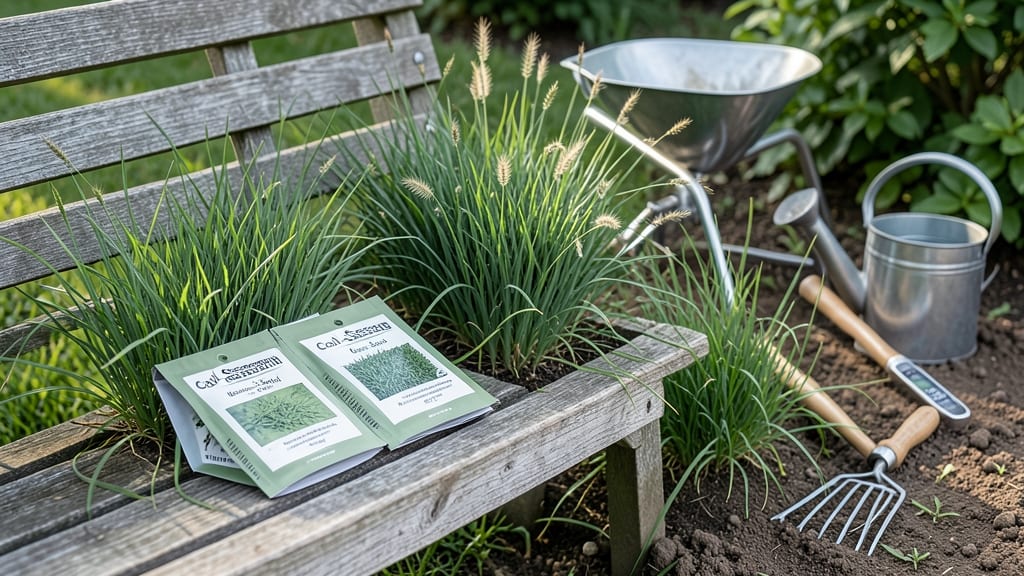
Planting grass seed in Massachusetts at the right time ensures a thick, green lawn within weeks—not months—while avoiding the pitfalls of frost or summer heat.
Here’s the catch: Skip the window between late April and early October, and you’re either fighting frost or baking seeds in scorching soil.
I’ve seen hundreds of dollars in grass seed go to waste because of planting too early or too late, and I’m here to help you avoid that mistake.
With USDA zones 5b through 7a across the state, the ideal planting window shifts from coastal areas to inland regions. Coastal Massachusetts (like Cape Cod) can start as early as mid-March, while inland areas (like Worcester) should wait until late April to dodge late frosts.
Below, I’ll break down the exact frost-free window for your zone, soil temperature tricks to speed up germination, and how to prep your lawn for either a spring or fall start—because yes, fall is actually the better time for most of the state.
Massachusetts grass planting calendar: best months by hardiness zone
Massachusetts spans USDA hardiness zones 5a through 7a, meaning frost dates and ideal planting windows vary dramatically from the coastal regions to the inland valleys. Coastal areas like Cape Cod (zone 7a) enjoy a 3-4 week longer growing season than inland cities like Springfield (zone 5b).
This creates a frost-free window that shifts from 150 days in the north to 200+ days in the south—a critical factor when choosing your planting timeline.
For cool-season grasses (like Kentucky bluegrass and fine fescue), the optimal planting window spans from early spring to mid-fall. However, soil temperature—not just calendar dates—determines success.
Seeds need consistent soil temps of 55-65°F to germinate properly, which typically aligns with April-May for spring planting and late August-September for fall.
Here’s the key difference between coastal vs. inland planting:
| Zone | Last Frost Date | First Frost Date | Ideal Spring Planting | Ideal Fall Planting | Soil Temp Requirement |
|---|---|---|---|---|---|
| 5a (Northwest MA) | Mid-May | Mid-October | Late April–Early June | Late August–Mid-September | 55–60°F |
| 6a (Central MA) | Early May | Late October | Early April–Early June | Late August–Early October | 55–65°F |
| 7a (Coastal MA) | Early April | Mid-November | Mid-March–Late May | Late August–Late October | 55–65°F |
If you’re in zone 5a (like the Berkshires), aim for late April to early June for spring planting, as earlier attempts risk late frosts that can kill tender seedlings.
Meanwhile, coastal gardeners in zone 7a can start as early as mid-March—but watch for salt spray near the ocean, which can stress young grass.
Fall planting offers a second chance to establish grass before winter, but timing is tight. In inland zones (5a-6a), late August to mid-September is ideal, while coastal areas (7a) can extend until late October.
The goal is to give seeds 4-6 weeks of warm soil before the ground freezes—any later, and germination slows dramatically.
One common mistake is planting too early in spring when soil temps are still below 55°F. Seeds may sprout, but cool nights can stunt growth or invite fungal diseases. Use a soil thermometer ($10 at garden centers) to check—consistent warmth is more important than calendar dates.
For overseeding (adding seed to an existing lawn), fall is always better. Cool-season grasses like ryegrass thrive when days shorten, and weed competition drops in autumn. My personal trick? Plant ryegrass in early September—it germinates quickly and crowds out weeds before winter.
Regional microclimates add another layer. South-facing slopes warm up faster in spring, while low-lying areas stay cooler longer. If your yard sits in a frost pocket, wait until after May 15 to plant, even if neighbors in higher elevations start earlier.
Pro tip: Test your soil’s pH (ideal range: 6.0–7.0) before planting. Acidic soil (common in MA’s pine forests) slows germination. Amend with lime if needed, but do this 4–6 weeks before planting to avoid burning seeds.
Finally, watering strategy changes with timing. Spring-planted grass needs daily watering for the first 2 weeks, while fall seedlings can handle every other day once established.
How to prepare your lawn for fall vs. spring planting in MA
Fall and spring are the two best times to plant grass seed in Massachusetts, but each season demands a different approach.
I’ve learned from years of trial and error that fall planting often yields faster results because cooler temperatures reduce stress on young seedlings, while spring planting requires extra vigilance against late frosts. The key is preparing your lawn correctly for whichever season you choose.
For both seasons, start by testing your soil pH—ideal levels for grass are between 6.0 and 7.0. If your soil is too acidic or alkaline, amend it with lime or sulfur at least 4-6 weeks before planting.
I always use a simple soil test kit from my local garden center; it’s a small investment that saves headaches later.
Next, clear your lawn of debris, rocks, and weeds. A stiff rake or dethatching tool works best for removing thatch layers thicker than ½ inch. Thatch prevents water and nutrients from reaching the roots, so this step is non-negotiable.
If you’re overseeding an existing lawn, mow it short—about 1.5 inches—to create the perfect seedbed.
⚠️ callout warning ⚠️
Massachusetts’ last frost dates vary by zone—coastal areas like Barnstable average April 15, while inland Worcester can see frost until May 1. Planting too early risks seed freezing or washing away during unpredictable spring rains. Always check the National Weather Service for your local frost dates and wait until soil temps stay above 55°F for at least a week.
🌱 Pro Tip: Use a soil thermometer to confirm temps before planting.
When preparing for fall planting, aim to seed between mid-August and mid-September. This gives grass 4-6 weeks to establish roots before winter dormancy. I recommend using a high-quality cool-season blend like tall fescue or fine fescue, which handle fall’s cooler temps better than warm-season grasses.
After planting, apply a thin layer of starter fertilizer and mulch with straw to retain moisture and insulate seeds.
Spring planting, on the other hand, should happen as soon as the ground is workable—typically late April to early May. Choose a fast-germinating mix like ryegrass for quick coverage.
Water deeply twice daily for the first 2 weeks to keep soil consistently moist, but avoid overwatering, which can lead to fungal diseases. A light layer of compost after planting helps retain moisture and adds nutrients.
Both seasons require consistent watering and protection from pests. Use a pre-emergent herbicide in spring to prevent weeds, and apply a post-emergent in fall if needed. I’ve also found that a light layer of mulch helps retain soil moisture and regulate temperature, whether you’re planting in spring or fall.
Finally, resist the urge to walk on new seedlings. I know it’s tempting to admire your fresh lawn, but compacted soil can stunt growth. Wait at least 3-4 weeks before stepping on it, and avoid heavy foot traffic for 6-8 weeks.
With the right prep, you’ll have a thick, green lawn in no time—no matter the season.