
Lawn
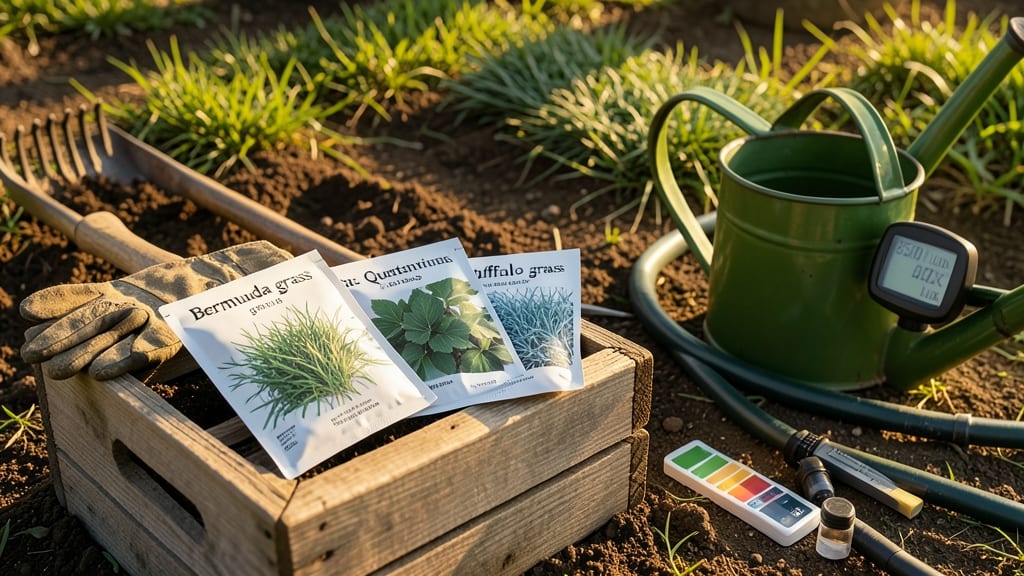
Planting grass seed in Texas at the right time means the difference between a thick, frost-resistant lawn and one that struggles through the winter 🌱.
Miss the window by even a few weeks, and your new grass could bake in summer heat or rot under early rains. In zones 8a-10b, late summer to early fall is your best bet—but timing varies wildly from North Texas to the Gulf Coast.
This guide breaks down the exact fall deadlines by region, soil prep secrets, and the one watering mistake that kills more seedings than drought.
You’ll learn how to read your local frost dates, pick the right grass type for your yard, and avoid the three biggest planting blunders Texas gardeners make every year.
Best Texas grass seed planting timeline by month: fall deadlines explained
Texas lawns thrive when you plant grass seed during the perfect fall window, but timing varies dramatically across North, Central, and South Texas. Cool-season grasses like Tall Fescue and Ryegrass need 4-6 weeks before first frost to establish strong roots before winter.
Plant too early, and summer heat will stress seedlings; too late, and frost will stunt growth. Let's break down the month-by-month deadlines for each region.
In North Texas (USDA Zones 7b-8a), where first frosts often hit by December 1, your planting window closes earlier than in warmer regions. Central Texas (Zones 8a-8b) has until mid-November, while South Texas (Zones 9a-10b) can plant well into December—though frost is rare.
We'll cover soil temps, rainfall patterns, and regional adjustments so you can avoid common mistakes like overwatering in heat or underestimating weed competition.
🌱
How to prepare your Texas soil for fall grass seed success
Fall is the perfect window to plant grass seed in Texas, but your soil needs the right prep to ensure thick, frost-resistant growth. Texas soils often struggle with compacted layers and unbalanced pH, which can choke out new seedlings.
By following these steps, you’ll create an ideal seedbed that helps grass roots establish deep and strong before winter. The key is timing—start prepping 4-6 weeks before planting, ideally in late summer.
First, assess your soil type and grass variety needs. Texas lawns thrive with warm-season grasses like Bermuda, Zoysia, or St. Augustine, but cool-season grasses like Tall Fescue or Ryegrass need fall planting for winter hardiness. Test your soil’s pH level—most Texas grasses prefer a 6.0-7.0 range.
If your soil is too acidic or alkaline, amend it with lime (to raise pH) or sulfur (to lower pH) at least 2 months before planting.
Step-by-Step Soil Prep for Texas Grass Seed
- Step 1: Clear Debris
Remove rocks, weeds, and old plant matter. Use a raking tool or dethatching machine to expose bare soil. This prevents competition for nutrients and improves seed-to-soil contact. - Step 2: Test Soil pH
Use a soil test kit (available at garden centers) to check pH. Aim for 6.0-7.0. Adjust with lime (for acidic soil) or sulfur (for alkaline soil) 2 months before planting. - Step 3: Aerate the Soil
Rent a core aerator to create ½-inch holes every 2-3 inches. This relieves compaction and helps roots penetrate deeper. Water the lawn 24 hours before aerating for best results. - Step 4: Add Organic Matter
Spread 2-3 inches of compost or aged manure over the soil. Work it into the top 4 inches with a rake or tiller. This improves water retention and nutrient availability. - Step 5: Level the Surface
Use a lawn roller or raking tool to smooth out low spots and fill depressions. A level surface ensures even seed distribution and uniform germination. - Step 6: Apply Starter Fertilizer
Choose a high-nitrogen fertilizer (10-0-10 or 16-4-8) and spread it evenly. This gives seedlings a nutrient boost during critical growth stages.
Choosing the right grass type is just as important as soil prep. Bermuda grass thrives in full sun and handles Texas heat well but goes dormant in winter. Zoysia is drought-tolerant and stays green longer but grows slower.
For shadier areas, St. Augustine is a top pick, though it needs more water. Test small patches of each type in different zones of your yard to see which performs best in your microclimate.
After prepping, lock in moisture by watering deeply 1-2 inches per week until germination (about 7-14 days). Use a sprinkler system or soaker hose to avoid disrupting seeds.
Once seedlings reach 3-4 inches tall, reduce watering slightly but keep the soil consistently moist. This balance prevents fungal diseases and uneven growth.
Fall-planted grass seed in Texas should establish a dense root system before winter, giving you a lush, frost-resistant lawn by spring. By following these steps—clearing debris, testing pH, aerating, and choosing the right grass—you’ll set your lawn up for success.
The effort now pays off with fewer weeds, better drought resistance, and a yard that stands out in your neighborhood. 🌱